Show Key Points
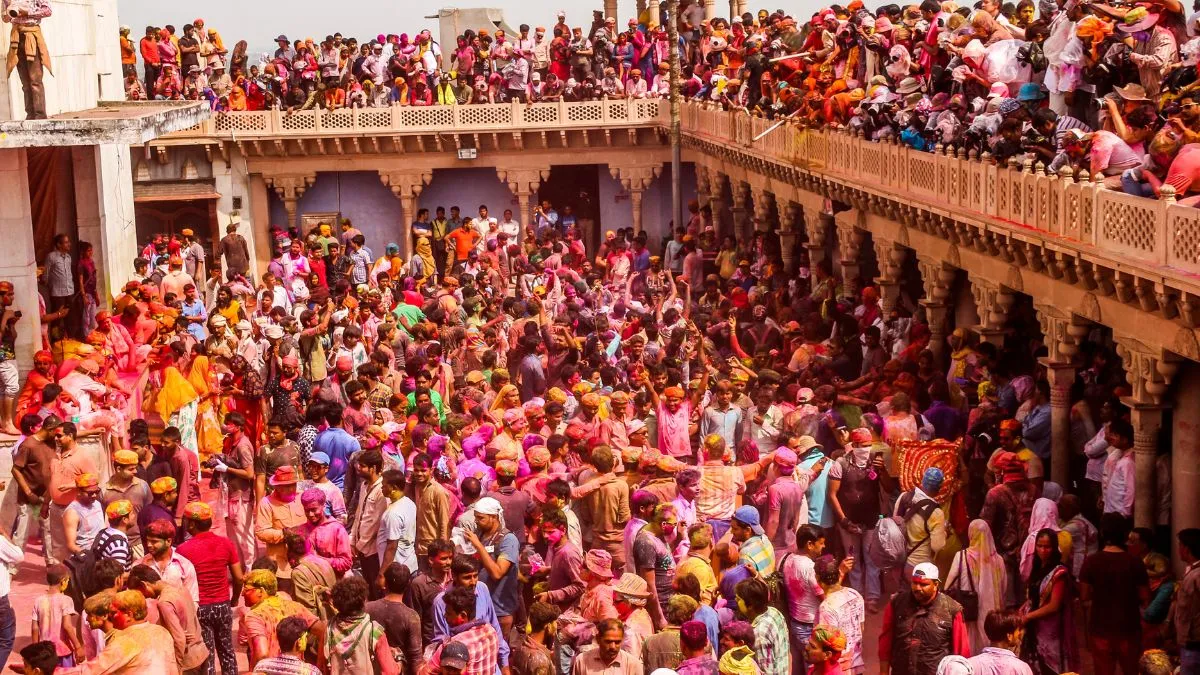
Holi is one of India’s most vibrant and widely celebrated festivals, marking the arrival of spring and the victory of good over evil. While the festival is celebrated across the country, different regions observe it under unique names and traditions shaped by local culture, mythology and social customs.
Different Names of Holi in India
Holi is celebrated under several regional names across India, each reflecting distinctive cultural practices and community traditions. These variations demonstrate how a single festival adapts to local heritage while maintaining its universal theme of joy and renewal.
Where Are Different Forms of Holi Celebrated?
Regional forms of Holi are celebrated across northern, western, eastern and northeastern India. Geography, climate, religious traditions and historical influences contribute to diverse styles of celebration in different states.
Why Does Holi Have Different Regional Names?
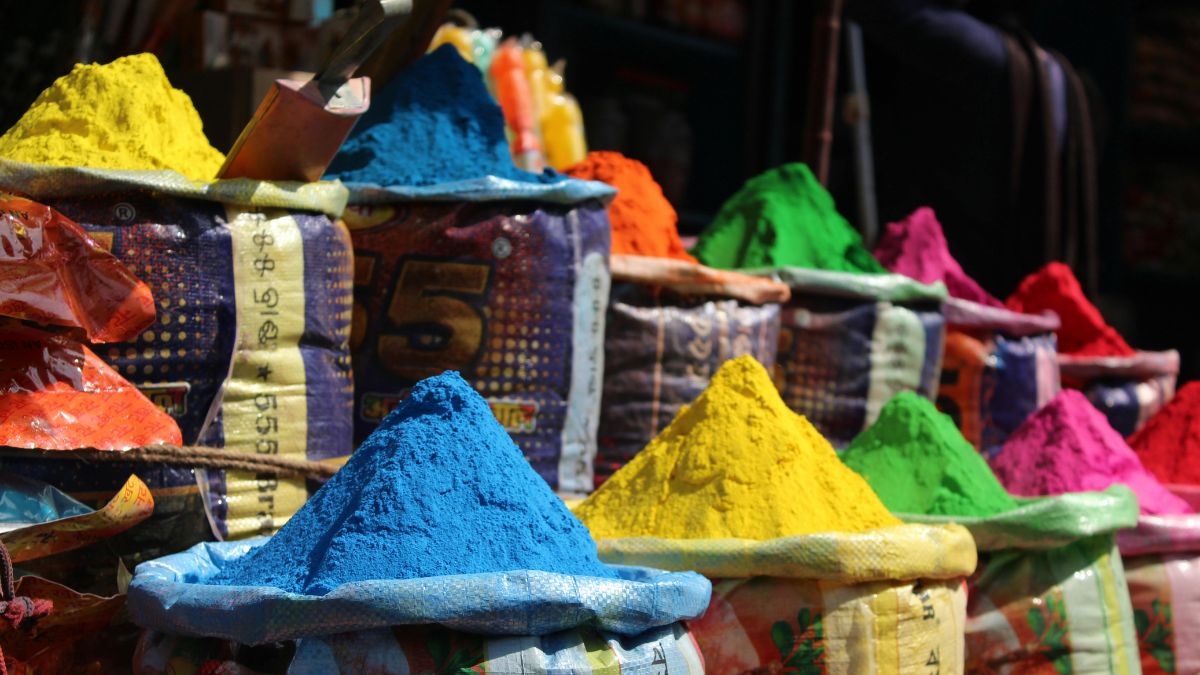
Holi has different names because India’s cultural diversity allows communities to incorporate local mythology, rituals and seasonal practices into the festival. These regional forms preserve traditional identity while celebrating the shared spirit of spring and harmony.
Major Regional Names of Holi in India
Lathmar Holi — Barsana and Nandgaon, Uttar Pradesh
Lathmar Holi is famous for its playful ritual in which women symbolically strike men with sticks while men defend themselves with shields. The celebration commemorates legends associated with Krishna’s visit to Radha’s village. The festival attracts visitors from across India and abroad due to its dramatic and theatrical style of celebration. It represents a blend of mythology, folk tradition, and community participation unique to the Braj region.
Phoolon Ki Holi — Vrindavan
Phoolon Ki Holi is celebrated by showering flowers instead of coloured powder. The ritual takes place primarily in temples and reflects devotional traditions associated with Krishna worship. The celebration emphasises spiritual expression, harmony and aesthetic beauty rather than playful colour throwing. It highlights the religious dimension of Holi and attracts pilgrims seeking a devotional experience.
Dol Jatra — West Bengal and Odisha
Dol Jatra is a devotional form of Holi centred on temple processions and worship rituals. Idols of Krishna and Radha are placed on decorated swings and carried through streets accompanied by music and chanting. The celebration emphasises spiritual devotion, cultural performance, and community participation. It represents a fusion of religious observance and seasonal festivity in eastern India.
Hola Mohalla — Punjab
Hola Mohalla is a Sikh festival celebrated around the same time as Holi and emphasises martial traditions and community discipline. The celebration includes demonstrations of traditional combat skills, horse riding, and cultural performances. It reflects Sikh heritage, courage, and collective identity. The festival highlights strength, unity, and organised community celebration rather than colour play.
Shigmo — Goa
Shigmo marks the arrival of spring and the harvest season in Goa. The festival includes folk dances, cultural parades, and traditional performances that celebrate regional identity. It combines agricultural celebration with social festivity and artistic expression. Shigmo reflects the agrarian roots of Holi and emphasises seasonal renewal and community participation.
Yaoshang — Manipur
Yaoshang is a multi-day celebration that blends Holi traditions with local cultural practices of Manipur. The festival includes music, dance, sports events, and community gatherings. It represents a regional adaptation of Holi influenced by local customs and social traditions. Yaoshang demonstrates how the festival integrates into northeastern cultural identity while retaining its springtime symbolism.
Interesting Facts About Different Names of Holi in India
Festival of Renewal
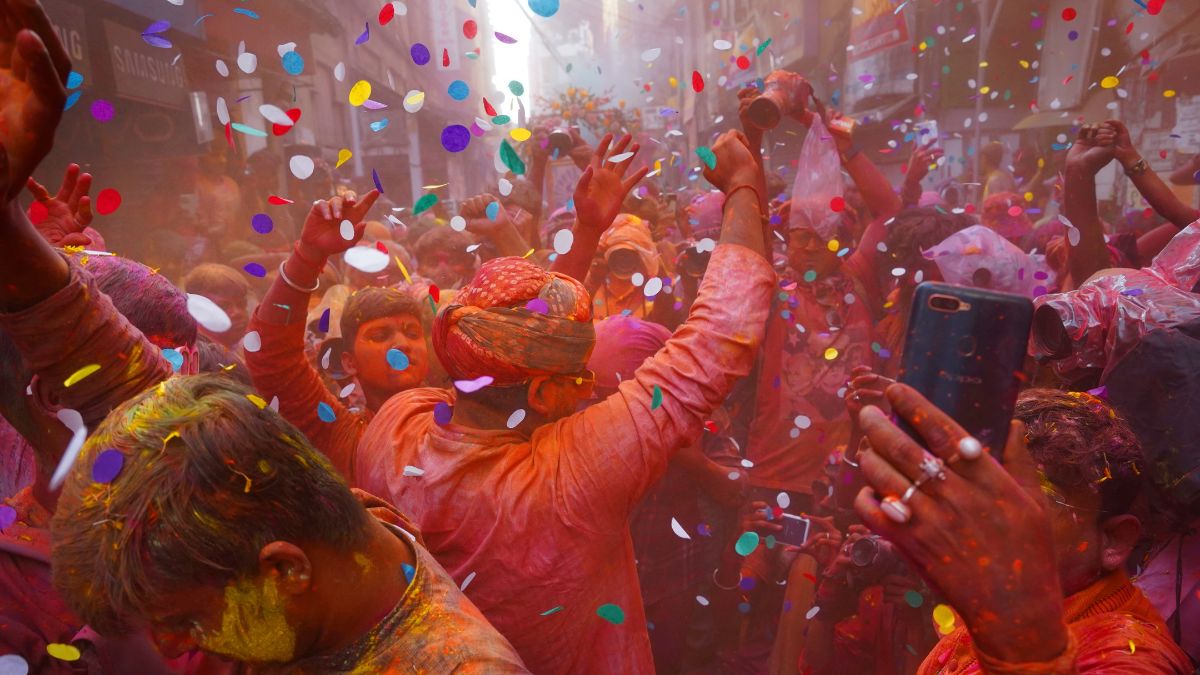
Holi marks the transition from winter to spring and symbolises renewal of nature. Seasonal change influences agricultural and social celebrations.
Regional Diversity
Different names of Holi reflect India’s linguistic and cultural diversity. Each region preserves its unique celebration style.
Mythological Roots
Many Holi traditions are linked to Krishna legends and ancient folklore. These stories influence rituals and regional practices.
Cultural Integration
Holi celebrations often combine religious devotion with social festivity. The festival bridges spiritual and community life.
Nationwide Celebration
Despite regional variations, Holi is celebrated across the entire country. Its universal theme of joy and harmony unites diverse communities.
Read more: Which Country Uses Two Different Calendars Officially?
Holi is celebrated across India under different regional names that reflect local traditions, mythology and cultural identity. Keep reading for more such topics.


Comments
All Comments (0)
Join the conversation