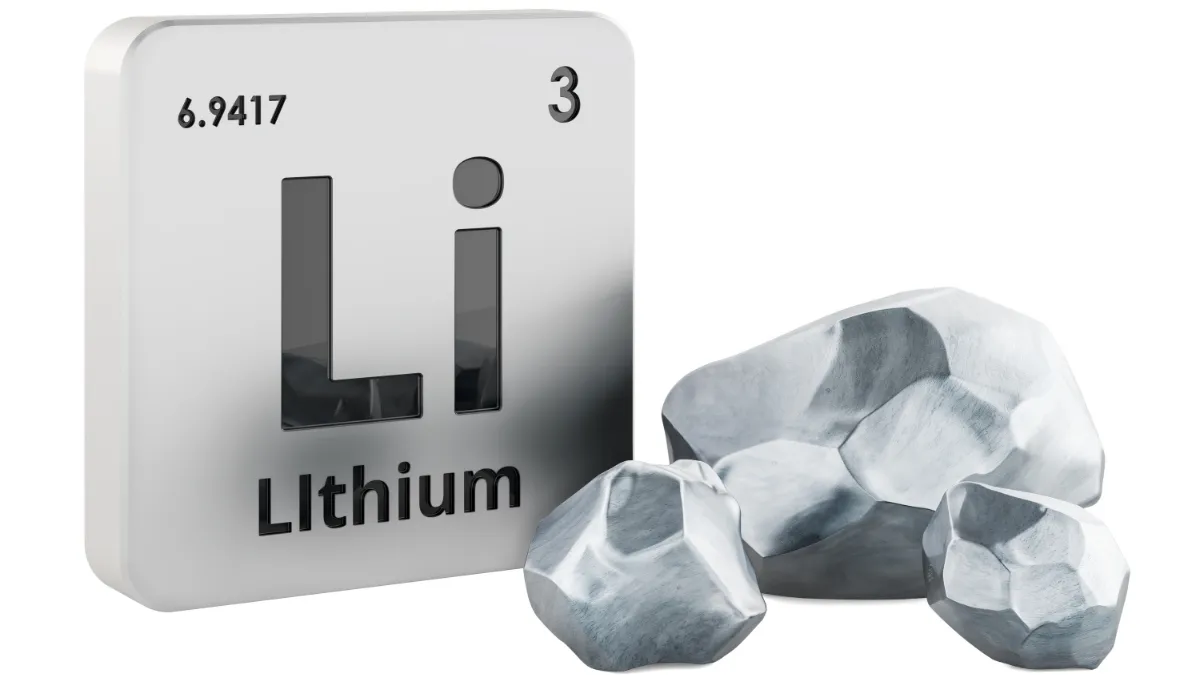
Lithium has become the backbone of the global clean energy revolution, powering everything from electric vehicles to renewable energy storage systems. As countries race to secure critical minerals, one nation has emerged as the dominant force in lithium production, leveraging its vast natural resources and efficient mining infrastructure. Lithium has emerged as a key element in the future of sustainable development.
Which Country is the Largest Producer of Lithium in the World?
In 2026, Australia remains the largest producer of lithium in the world by dominating the market through its robust hard-rock mining operations. Australia accounts 33% to 40% producing over 88,000 metric tons annually. of the total global output although other countries hold larger Lithium reserves.
Australia’s status as the world’s top producer is largely due to the massive hard-rock deposits found in Western Australia, famous mines like Greenbushes Lithium Mine (Western Australia) , Pilgangoora Project (Pilbara Region), Kathleen Valley (Goldfields Region) and its advanced infrastructure, supply chain and high-grade spodumene deposits allow it to bring the metal to market faster than its competitors.
Top Lithium Producing Countries
Lithium, also known as the "White Gold" , its rush is fueled by the relentless demand for Electric Vehicle (EV) batteries and renewable energy storage. The global supply of lithium is concentrated in a handful of nations. These countries collectively dominate global lithium supply, shaping the future of energy markets.
Rank | Country | Estimated 2026 Production (Metric Tons) | Primary Extraction Method |
| 1 | Australia | 88,000+ | Hard-rock (Spodumene) |
| 2 | Chile | 49,000+ | Brine (Salars) |
| 3 | China | 41,000+ | Hard-rock & Brine |
| 4 | Zimbabwe | 22,000+ | Hard-rock |
| 5 | Argentina | 18,000+ | Brine (Salars) |
Note: These figures represent mine production. China, while third in raw extraction, remains the undisputed leader in lithium processing and refining, controlling nearly 60% of the world's battery-grade lithium chemicals.
-1776420923498.jpg)
Lithium Reserves vs. Production: Which Countries Lead?
There is a huge difference between who has the most lithium and who produces the most which mostly depends on the "Resources" (total amount identified) and "Reserves" (amount economically viable to mine). However
Bolivia and Argentina:
Bolivia and Argentina hold the world’s largest identified resources (over 20 million tons each). However, due to technical challenges and slower infrastructure development, their production lags behind Australia.
The Lithium Triangle:
Chile, Argentina, and Bolivia form this geographic "hub," containing over 50% of the world’s lithium resources beneath their high-altitude salt flats.
Uses of Lithium
Lithium is the lightest metal and that has the highest electrochemical potential, making it the "irreplaceable" ingredient for clean energy.
Role of Electric Vehicles (EVs)
The EV sector is the primary driver of the lithium market. A single Tesla Model S battery, for instance, requires approximately 12kg to 15kg of lithium. As governments worldwide implement fossil fuel phase-outs, the demand for lithium is projected to grow five-fold by 2030.
Renewable Energy Storage
Solar and wind power are intermittent because they do not produce energy 24/7. Lithium-ion "mega-batteries" are now being used to stabilize power grids, storing excess energy during peak production and releasing it when the sun sets or the wind stops.
-1776420961476.jpg)
Lithium Mining
The method of extraction significantly impacts the cost and environmental footprint of the lithium produced.
Hard-Rock Mining:
Lithium is extracted from pegmatite rocks known as spodumene, following a traditional mining process that is faster but more energy-intensive mostly practiced in Australia and China.
Brine Extraction:
Salty water is pumped from underground aquifers into massive evaporation ponds. Over 12–18 months, the sun evaporates the water, leaving behind a lithium-rich concentrate. This method is cheaper but uses significant amounts of water in already arid regions of Chile and Argentina.
Lithium has solidified its status as the "new oil."in the field of power and energy. Australia currently holds the crown for production, the massive investments in the Lithium Triangle and emerging projects in Africa and North America suggest the supply chain will become more diversified in the coming decade.
Also Read: Which Country is the Largest Source of FDI in India?