
What is Called Jeera in English? If you have ever tried any Indian cooking or Indian recipe, you have heard the word "Jeera". Spices used in the Indian kitchen on a daily basis, one of the most popular. But many people, especially learners of the English language and new to Indian cuisine, would ask, " What is Jeera in English?” This article has the answer to this question and presents some interesting facts about this amazing spice.
What is Called Jeera in English?
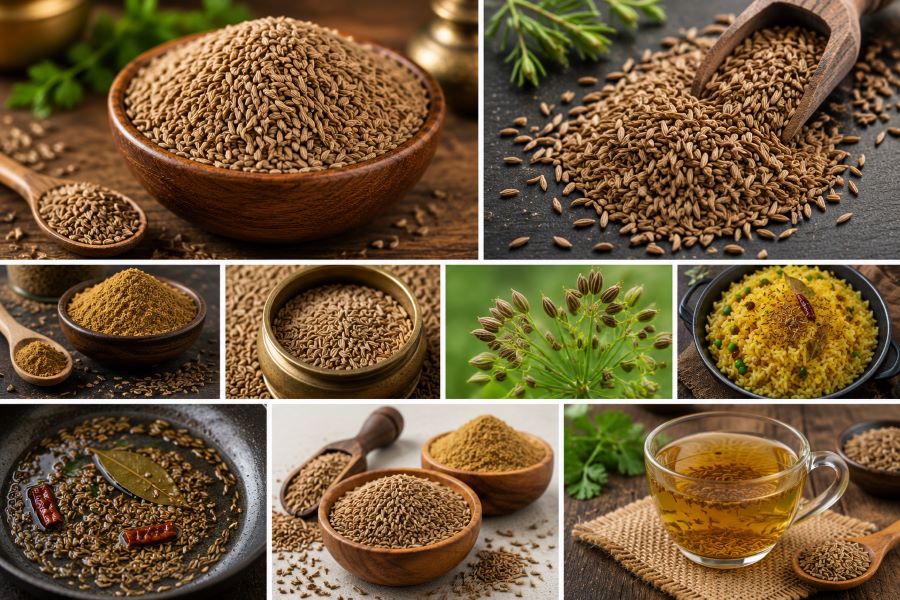
Jeera in English is called "Cumin" or "Cumin Seeds."
Jeera is just another name for cumin, as it is in Hindi. The two words are used to describe the same spice. There is no difference at all between jeera and cumin. They are from the same plant, have the same appearance, the same scent and the same flavour.
If the recipe specifies "add jeera" then it is safe to use cumin seeds. If you have an old recipe for something that requires cumin, you can use jeera from the spice box.
Source: shutterstock
What is the Scientific Name of Jeera (Cumin)?
Jeera's scientific name is Cuminum cyminum. It is a member of the Apiaceae family that also contains coriander, parsley and carrots. What you may not realize, is the English word "cumin" comes from the Latin word "cuminum", which comes from the Greek word "kyminon.
Cumin can be called by a number of names in other languages. It's named by the McCormick Science Institute:
-
Jeera in Hindi
-
Cumin in English and French translation.
-
Comino in Spanish
-
Cumino in Italian
-
Kamoun in Arabic
Where Does Jeera Come From?
Jeera is originally from the eastern Mediterranean and South Asia. One of the oldest spices that's known to man. Historical evidence dates the first use of cumin to ancient Egypt for ceremonial purposes, about 2000 BCE.
With the expansion of trade around the world, cumin spread to India and was called Jeera. India is currently the biggest producer and consumer of cumin in the world.
What Does Jeera Look Like?
The seeds of jeera are small, brownish and slightly crescent-shaped. Warm, earthy scented and slightly bitter flavored. They can be toasted in oil or a dry pan, which will help to make them more nutty and flavorful. This is known as “tempering” or “tadka” in Indian cooking.
Jeera is available in two varieties:
-
Whole Jeera (Cumin Seeds) – it is used to temper in dals, rice and curries.
-
Cumin Powder - added to curries, flatbreads and stews.Cumin Seeds – flavouring of sausages, curries and stews.
Nutritional Facts About Jeera (Cumin)
Jeera cannot be considered as a mere flavouring agent. High in nutrients. Based on USDA FoodData Central data, 100 grams of cumin seeds provides about:
| Nutrient | Amount |
| Calories | 375 kcal |
| Protein | 17.8 g |
| Carbohydrates | 44 g |
| Fat | 22 g |
| Dietary Fiber | 10 g |
| Iron | 66.4 mg |
| Calcium | 931 mg |
| Potassium | 1788 mg |
Jeera is especially rich in iron that helps to produce red blood cells and give energy. Just one teaspoon of cumin contains almost 10% of the iron an adult needs each day.
Interesting Facts About Jeera in English (Cumin)
Let's have a look at some of the quick facts about jeera that have been verified:
-
Jeera is 100% equal to cumin. The only difference is in the language.
-
Shahi Jeera is NOT same jeera. There is a different type of jeera called shahi jeera or black cumin (Bunium persicum) which is darker in color and less spicy. This is added to special dishes like ‘briyani'.
-
Cumin is also known to stimulate the appetite and help digestion, which is why it has been used in Ayurvedic medicine for thousands of years.
-
Cumin is utilized around the globe including Indian, Middle Eastern and Mexican cooking.
-
Cumin water, or Jeera water as it is called in India, is one of the popular home remedies which is used to boost digestion and health.
-
Cumin is rich in antioxidants such as luteolin and apigenin, which are beneficial in minimizing oxidative stress in the body.
-
The pH level of cumin is slightly alkaline (pH 7.3).
How to Store Jeera Properly?
To keep the freshness and taste of jeera:
-
Keep whole cumin seeds in a cool, dry place, in an airtight container.
-
The whole seeds will store longer than the ground cumin powder.
-
The best flavor of ground cumin powder is achieved if it is used within 6 months.
-
Before using, always check for a strong, earthy smell. When it no longer has a smell, the spice is stale.
In other words, Jeera in English is Cumin or Cumin Seeds. It's the same spice, simply in another language. Jeera is a spice made from the plant Cuminum cyminum, which is indigenous to the Mediterranean region and South Asia and has been used for thousands of years in cooking and traditional medicine. It's rich in iron, calcium, antioxidants and a key ingredient to kitchens around the world. Whether you call it jeera or cumin, this little spice is one of the most flavorful, pungent and useful spices in your pantry.



-1778314593607_t.webp)