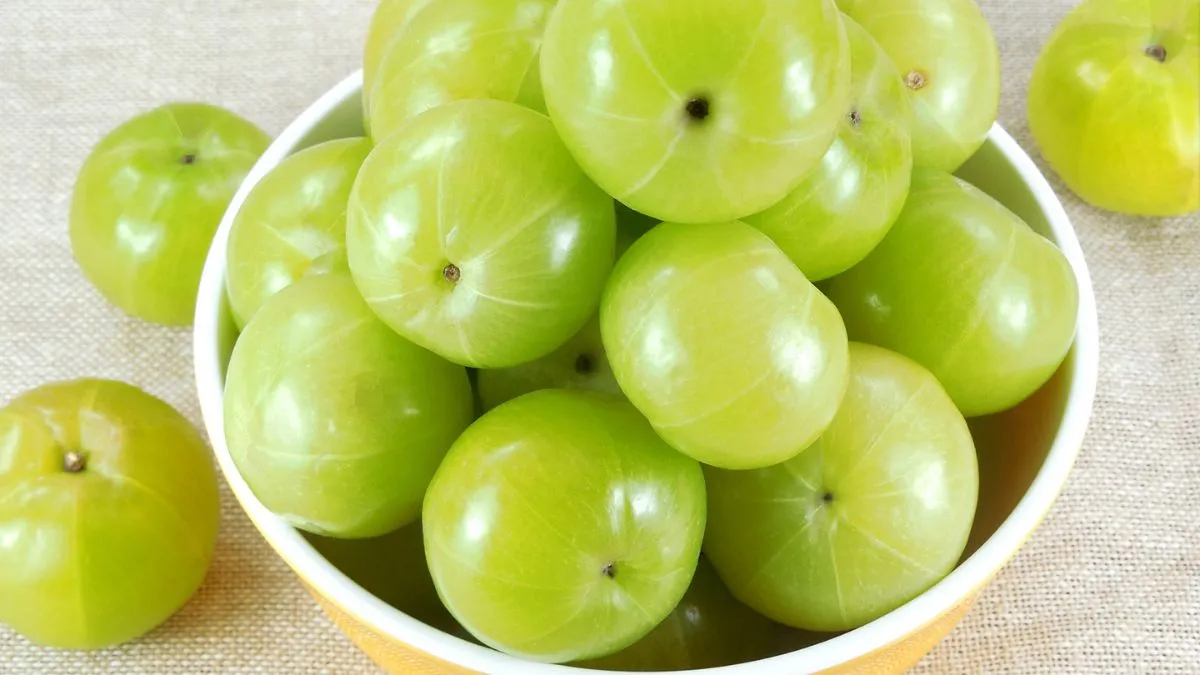
Amla, also known as Indian gooseberry, is an important fruit crop widely grown in India due to its high nutritional and medicinal value. It is rich in vitamin C and is commonly used in Ayurvedic medicines and health products. Amla grows well in tropical and subtropical climates with moderate rainfall. The fruit is used to prepare juices, pickles, candies, powders and herbal supplements. Several Indian states cultivate amla, but one state produces the largest share in the country.
Largest Producer of Amla in India
Uttar Pradesh is the largest producer of amla in India. The state has suitable soil and climatic conditions that support large-scale cultivation of amla trees. Districts such as Pratapgarh are especially known for extensive amla orchards. Amla farming in Uttar Pradesh contributes significantly to the state’s horticulture production. The fruit is harvested in large quantities and supplied to processing industries across India.
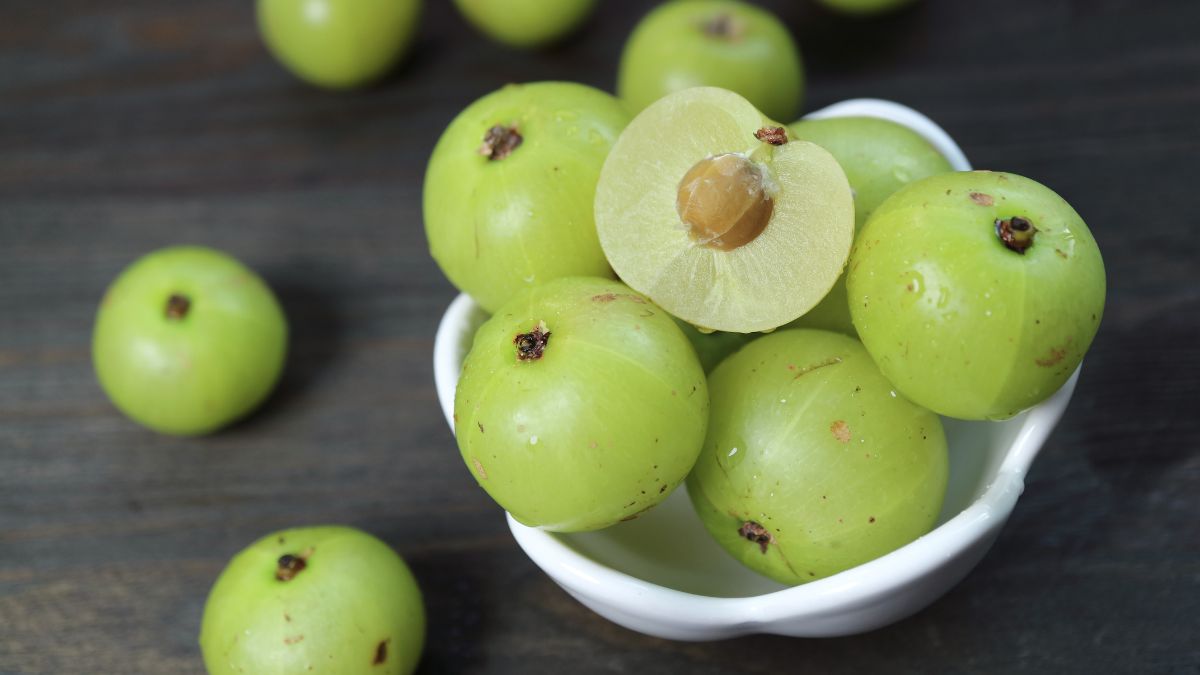
Top Amla Producing States in India
Apart from Uttar Pradesh, states such as Madhya Pradesh, Rajasthan, and Gujarat also produce significant quantities of amla. These states have dry and semi-arid climates suitable for amla cultivation. Amla trees are drought-resistant and can survive in less fertile soils. Many farmers grow amla as a long-term orchard crop because it requires relatively low maintenance. The fruit from these states is widely transported to markets and processing units.
Why Amla Cultivation Is Important in India?
Amla cultivation plays an important role in India’s herbal and health-product industries. The fruit is widely used in products such as Chyawanprash, herbal powders, and hair oils. Amla contains antioxidants that help preserve processed products for longer durations. The increasing demand for natural and herbal products has boosted amla production in recent years. Export of amla-based products has also increased due to global demand for Ayurvedic medicines.
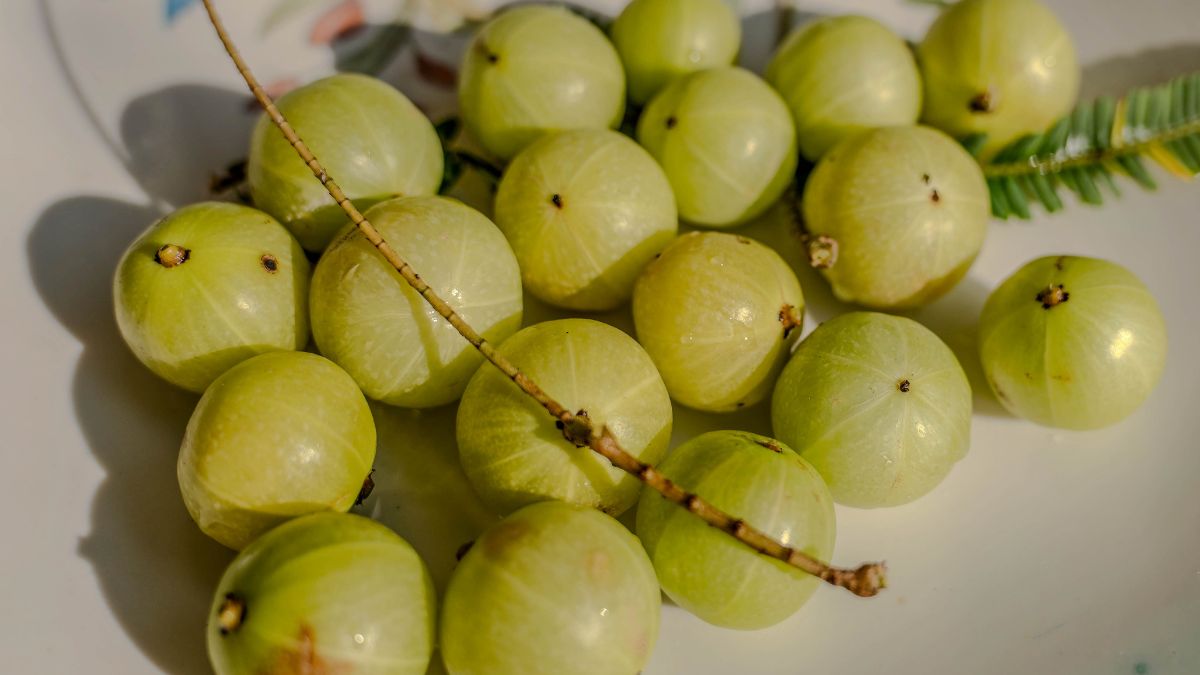
Interesting Facts About Amla
Uttar Pradesh Produces the Highest Quantity of Amla
Uttar Pradesh accounts for the largest share of India’s total amla production. Large orchards in districts like Pratapgarh contribute heavily to annual output. Many processing industries depend on supplies from this region. Amla from Uttar Pradesh is distributed to different parts of the country.
Amla Trees Have Long Productive Lifespans
Amla trees can produce fruit for more than 50 years once fully grown. Mature trees yield large quantities of fruit every season. Their strong root systems allow them to survive drought conditions. This long lifespan makes amla cultivation economically beneficial for farmers.
India Is One of the Largest Amla Producers Globally
India leads global amla production due to favorable climate and large cultivation areas. The fruit is used extensively in traditional medicine and food industries. Processed amla products are exported to many countries. The growing demand for herbal products has increased global interest in amla.
Amla Is One of the Richest Natural Sources of Vitamin C
Amla contains very high levels of vitamin C compared to many other fruits. The fruit retains its nutritional value even after drying or processing. Regular consumption of amla-based products is associated with improved immunity. This nutritional value makes amla highly valuable in both food and medicinal industries.
Read more: Which State is the Largest Producer of Tamarind in India?


-1776926423188_t.webp)

