Show Key Points
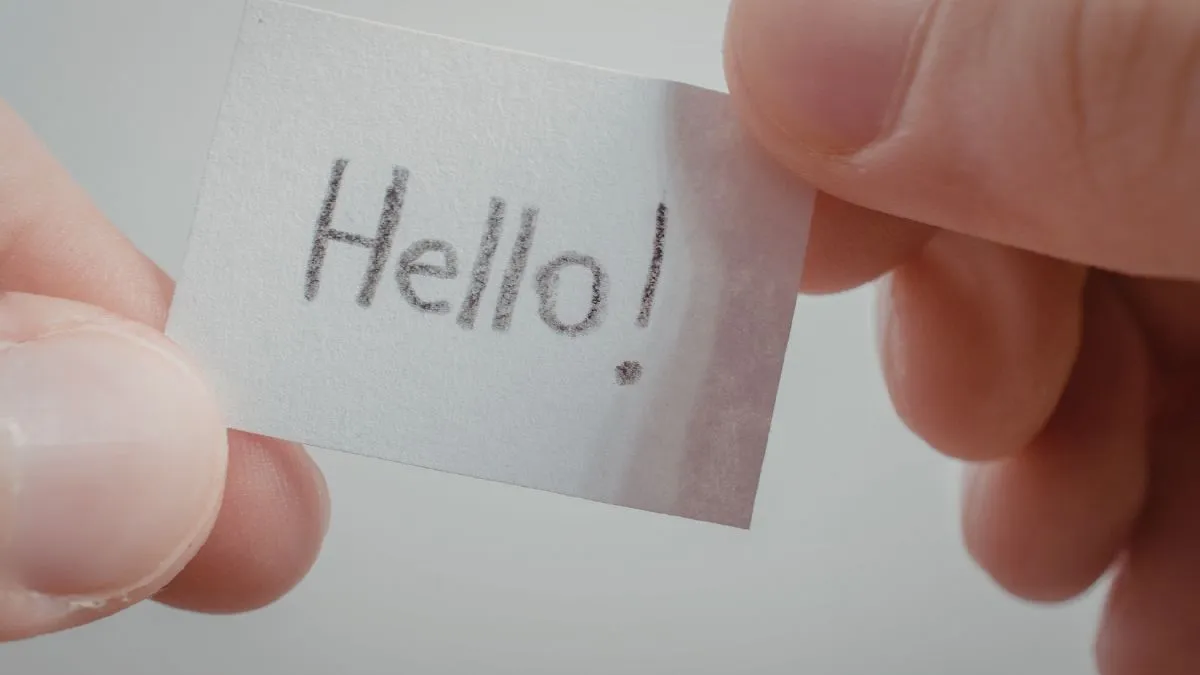
Hello is one of the most commonly used words in human communication. It is a universal greeting used to begin conversations, express politeness, and acknowledge others. While English uses the word “hello,” every language has its own greeting shaped by culture, tradition, and history.
Origin of the Word Hello
The English word “hello” became widely used in the 19th century, especially after the invention of the telephone. It was popularised as a standard greeting when answering calls. Earlier variations such as “hullo” and “hallo” were used to attract attention rather than greet formally.

Hello in Different Languages
| Language | Greeting |
| English | Hello |
| Hindi | Namaste |
| Punjabi | Sat Sri Akal |
| Bengali | Nomoskar |
| Tamil | Vanakkam |
| Malayalam | Namaskaram |
| Gujarati | Namaste |
| Marathi | Namaskar |
| Spanish | Hola |
| French | Bonjour |
| German | Hallo |
| Italian | Ciao |
| Portuguese | Olá |
| Arabic | Marhaba |
| Russian | Zdravstvuyte |
| Chinese (Mandarin) | Nǐ hǎo (你好) |
| Japanese | Konnichiwa (こんにちは) |
| Korean | Annyeonghaseyo (안녕하세요) |
| Thai | Sawasdee |
| Indonesian | Halo |
| Filipino | Kumusta |
| Turkish | Merhaba |
| Greek | Yassas |
| Dutch | Hallo |
Why Greetings Differ Across Languages
Greeting words reflect cultural values, social hierarchy, and etiquette. Some languages use different greetings depending on time of day, respect level, or relationship between speakers. Others include gestures such as bows, folded hands, or handshakes.
Most Common Meaning of “Hello”
Across cultures, hello generally expresses acknowledgement, goodwill and readiness to communicate. It is often the first word learned when studying a new language.
Greetings and Cultural Identity
Greeting styles reveal important cultural norms. For example, some greetings convey respect and humility, while others express friendliness and equality. In many Asian cultures, greetings are closely linked with politeness traditions.

Interesting Facts About Hello Around the World
Universal Social Function
Every known language has a greeting word used to initiate conversation and establish social connection.
Gesture and Greeting Together
In several cultures, greetings are incomplete without gestures such as bowing, folded hands, or placing a hand on the heart.
Formal vs Informal Usage
Many languages distinguish between formal and informal greetings based on age, authority, or familiarity.
Telephone Influence
The global spread of “hello” in English accelerated with the rise of telephone communication in the late 19th century.
Politeness Marker
Greetings are considered essential markers of politeness in most societies and are often taught in early childhood.
Read more: What is Pineapple called in Different Languages?
Greeting words may differ in sound and structure across languages, but their purpose remains universal, to acknowledge others and begin interaction with respect. Keep reading for more such topics.



-1771247919671_t.webp)
Comments
All Comments (0)
Join the conversation