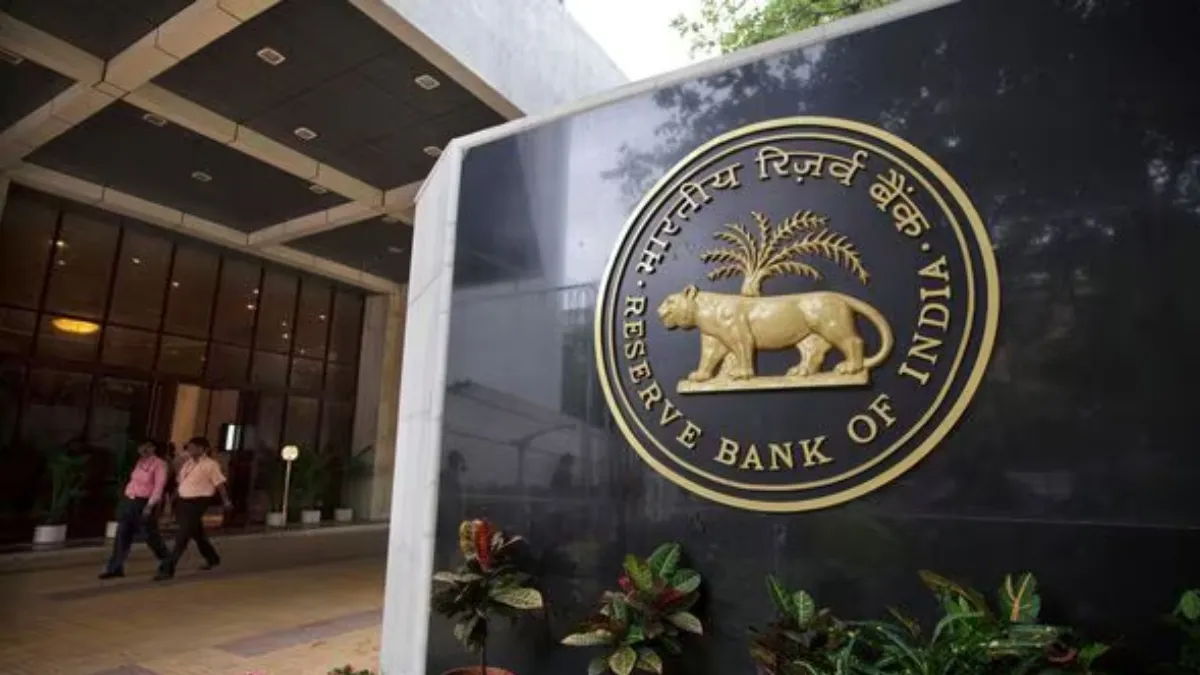
The Reserve Bank of India (RBI) has announced new directions to ensure faster and smoother financial assistance for borrowers in natural disaster-affected regions. The revised guidelines, set to take effect from July 1, 2026, enable banks and other regulated entities, such as NBFCs and cooperative banks, to automatically offer relief without the need for borrower applications.
Key Features of the Revised Framework
The new guidelines aim to offer immediate assistance to affected borrowers and enterprises while maintaining financial stability. Key aspects include:
-
Automatic Relief: Banks and other regulated financial entities like NBFCs and cooperative banks can automatically provide relief to all eligible borrowers in the notified disaster-affected areas.
-
Opt-Out Option: The relief is automatic but borrowers can choose to opt out up to 135 days from the disaster declaration date.
-
Business Continuity: Banks are allowed to operate from relocated offices and establish satellite offices or mobile banking units to provide critical services in the affected regions.
-
Restoration of Services: The guidelines stress the need to restore ATM services as soon as possible and provide alternative access to cash.
Eligibility and Relief Measures
The RBI has provided guidelines for loan restructuring to balance the need for assistance with risk considerations. The criteria typically applies to "Standard" accounts that were not more than 30 days past due on the cut-off date of the calamity.
-
Concessions: Banks can waive or lower charges and fees for a period of up to 12 months in disaster-hit areas.
-
Account Upgradation: In case the account becomes a Non-Performing Asset (NPA) during the calamity period, the guidelines provide for upgrading the account to "Standard" after a resolution plan is put in place.
-
Provisioning Norms: To address the credit risk, the RBI has directed the provisioning of an additional 5 percent of the outstanding loan amounts for restructured accounts, in addition to the prudential requirements.
This move is a departure from the rule-based approach, allowing banks to adapt to local challenges in a flexible manner.