Which Place Is Known As The Tea Garden Of India?
Do you know which place is known as the 'Tea Capital of India'? It features the world's largest contiguous tea-growing region, blanketed in endless misty slopes. Let’s discover why this stunning paradise earned the title of 'Tea Garden of India'.
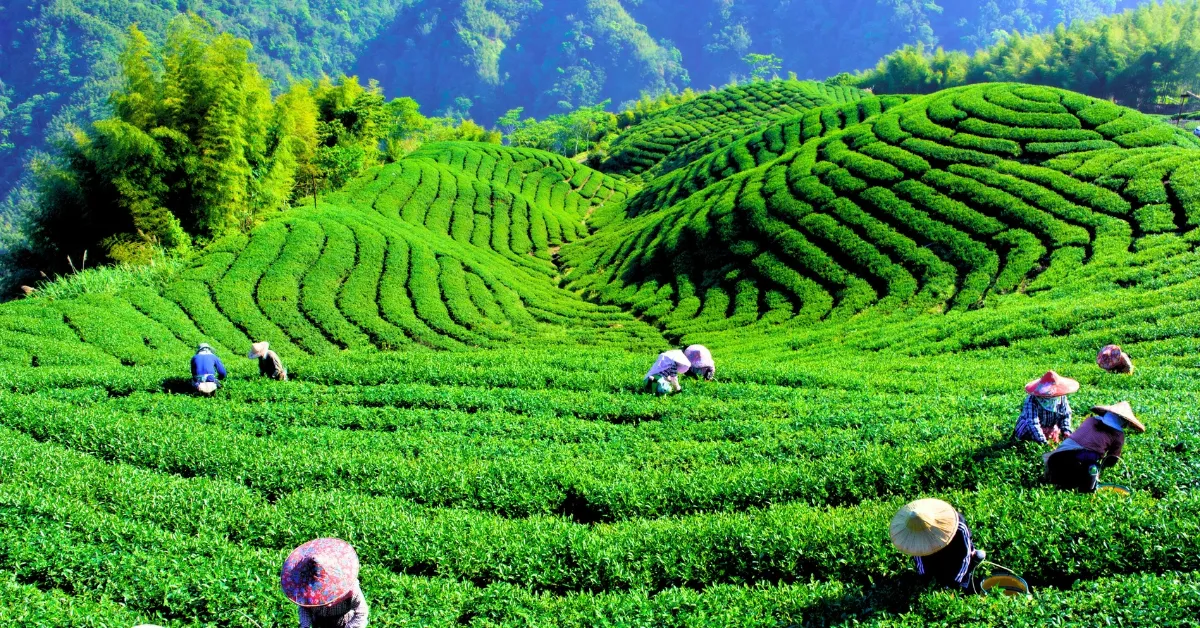
If you look at a map of Northeast India, there’s a massive, vivid green patch that basically fuels the world’s morning routine. Chances are, the leaves in your kitchen cabinet right now were plucked by hand from one of its sprawling, misty hillsides. It’s a jaw-dropping place where life moves a little slower, the air tastes cleaner, and local life completely revolves around the harvest. It is a stunning corner of the country. In this article, we’ll take a look at why this place is called the tea garden of India, also looking at its speciality, climate, environment, and everything in between.
Which Place Is Known As The Tea Garden Of India?
If you’ve ever wondered why Assam gets called the “tea garden of India", here’s the deal: this place isn’t just about rolling hills and pretty views. Assam cranks out more than 1.5 million pounds of tea every year.
The black teas from here? People all over the world rave about them for their punchy, malty flavour and that deep, rich colour you just don't get anywhere else.
While Assam holds the official crown, here are a few other iconic tea-growing regions in India worth noting:
- Darjeeling (West Bengal): Famous for producing the "Champagne of Teas," known for its delicate floral aroma and muscatel flavor.
- Nilgiri (Tamil Nadu): Located in the Western Ghats, this region produces dark, intensely aromatic, and fragrant teas.
- Munnar (Kerala): Home to some of the highest-elevation tea plantations in the world, offering breathtaking scenic views.
Why is Assam called the 'Tea Garden of India'?

Assam sits tucked away in the northeast corner of India, but when it comes to tea, it’s a global heavyweight. Locals call it the tea garden of India, and for good reason: those rolling green estates crank out more than 1.5 million pounds of tea every year.
Here’s something you might not know: Assam’s tea plants grow practically at sea level, just 45 to 60 meters up. Compare that to Darjeeling, where the bushes cling to mountainsides as high as 2,000 meters. It’s a whole different world down here.
Assam’s tea season stretches from March all the way to November, but the real stars are the First and Second Flush teas picked between April and June, when the leaves are at their best. You’ll find both classic whole-leaf (orthodox) teas and those punchy CTC (crush, tear, curl) granules here.
Climate and Soil of the Tea Garden of India
Assam sits right in the Brahmaputra Valley, where the weather is basically tailor-made for tea: steamy, rainy, and warm – exactly what those Assamica tea bushes crave. The soil? It’s rich, loamy, and loaded with nutrients thanks to the Brahmaputra River. That means the tea bushes grow like crazy and produce those big, bold leaves Assam is famous for.
Which Country Is The Largest Consumer Of Tea In The World?

China is the undisputed leader in global tea consumption. The nation consumes an astounding 14 to 15 million tonnes of tea every single year, which far outpaces any other country. Deeply rooted in thousands of years of culture, traditional tea ceremonies, and social gatherings, tea remains an essential staple of the daily Chinese lifestyle.
Which Country Is The Largest Producer Of Tealeaves In The World?
China ranks as the largest producer of tea leaves globally. It accounts for over 40% of the world's total tea production, cultivating an extensive variety of leaves, including green, black, oolong, and white teas. Its vast geographic landscapes and centuries-old agricultural expertise allow it to consistently outperform other massive producers like India and Kenya.
Which City Is Known As The Tea City of India?
Dibrugarh, located in the northeastern state of Assam, is proudly recognised as the "Tea City of India". Perched along the banks of the Brahmaputra River, this vibrant city serves as the gateway to major tea-producing districts.
Which State Is No. 1 In Tea Production?
Assam holds the number one spot in tea production across India. The state produces more than 600 million kilograms of tea annually, accounting for roughly half of the country's total output.
Which State Is Called The Land Of Tea?
Assam is universally celebrated as the "Land of Tea" (and often called the Tea Capital of India). The state's history, culture, and economy have been intimately intertwined with tea plantations for over 150 years.
Which City Is Famous For Tea?
Darjeeling is that hill town in West Bengal everyone’s heard of, mostly because of its tea. This isn’t just any tea, either. Locals call it the Champagne of Teas, and once you get a whiff of that floral aroma or taste the muscatel notes, you’ll get why people go wild for it.
Which State Is Famous For Tea In India?
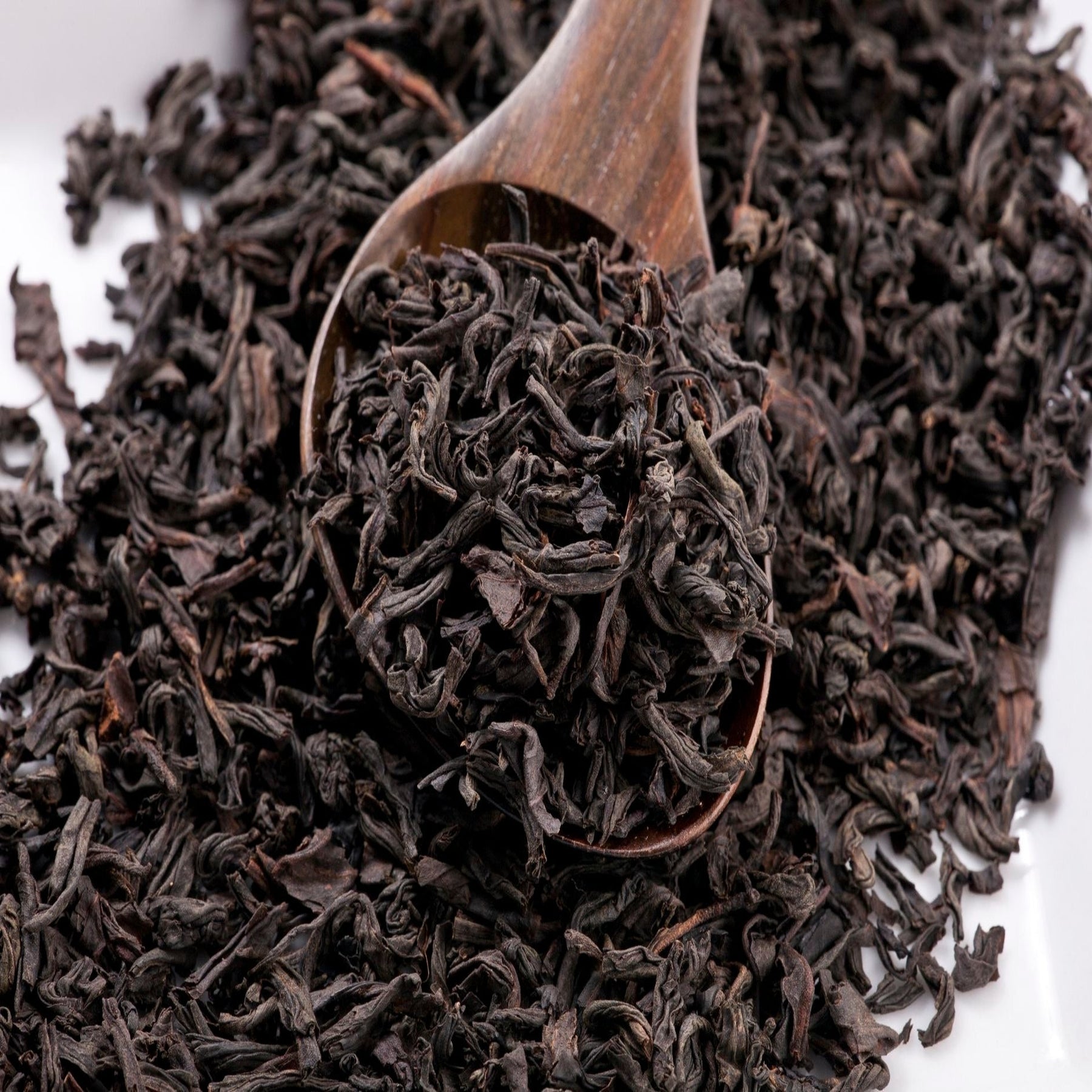
Assam is the heavyweight champ when it comes to strong, punchy black tea. But if you want something a little fancier, West Bengal’s Darjeeling is where the magic happens—think delicate, floral, and the kind of aroma that makes you stop and actually sniff your cup.

Kriti Barua is a skilled content writer with 4+ years of experience in creating clear, engaging, and informative content. She began her writing journey as a Creative Writer Intern at Wordloom Ventures. She holds a BA degree from Delhi University and has completed a one-year diploma in TV Production and Journalism, which adds depth to her research and reporting style.
Kriti has worked across brand writing, marketing content, and digital media, building strong expertise in articles that connect with readers and perform well online. At Jagran New Media, she writes for the GK section, covering national news, international stories, and query-based articles that answer what people actively search for. Her work focuses on easy language, reliable information, strong keywords, and reader-friendly storytelling, making her content both helpful and search-friendly.


