Which Fish Is Known As The ‘Gold Of The Sea’?
Do you know one rare sea fish is known as the 'Gold of the Sea'? Its special air bladder is used in medicines and beauty products worldwide. Found near India’s western coast, this “lottery fish” can make fishermen rich overnight. Let’s discover the amazing “Sea Gold”.
Show Key Points
Do you know that you can find 2,500 to 3,000 species of fishes in India? Since this subcontinent has made its name as one of the countries with the longest coastline in the world. From freshwater rohu to pomfret, one of the costliest fish in India, you can find a variety of fish.
But here’s an interesting fact for you: India is also home to the most expensive fish in the world. This fish is the state fish of Gujarat and is mostly found near India’s western coast. People call it the “Sea Gold” because it sells for huge amounts of money.
In 2021, fishermen in Maharashtra earned about ₹1.33 crore by catching 157 of these fish. Many fishermen dream of catching this fish. In this article, we’ll explore the amazing fish called the “Gold of the Sea".
Which Fish is known as the Gold of the Sea?

The Ghol Fish is called the “Gold of the Sea". It has a shiny golden-brown body. This rare fish lives in the Arabian Sea near Maharashtra and Gujarat. Some are also found in Indo-Pacific waters. A grown Ghol fish can be 1.5 meters long. Most weigh 20–35 kg, but giant ones can exceed 300 kg.
The fish is very costly because of its air bladder. People use it in medicines, beauty products, and surgery tools. One kilogram of the bladder can sell for ₹5–11 lakh. In 2023, fishermen in Odisha sold 17 Ghol fish for ₹19.5 lakh. Many fishermen call it a “lottery fish” because one catch can make them rich.
5 Amazing Facts About Ghol Fish
Here’s the list of 5 lesser-known facts about the most expensive fish in the world:
1. It can make croaking sounds
- The Ghol fish belongs to the croaker family. It makes drum-like sounds by vibrating muscles near its air bladder.
2. Its air bladder is costlier than gold in some markets
- The dried air bladder, called fish maw, is sold in countries like China and Singapore for luxury foods and medicines.
3. It can live in rivers and seas
- Ghol fish mainly live in the sea, but they sometimes swim into river mouths and estuaries.
4. Pollution pushed it into deeper waters
- Earlier, fishermen caught Ghol fish near the shore.
- Now, pollution forces many of them into deeper waters, making them harder to catch.
5. It is Gujarat’s official state fish
- In 2023, Gujarat declared the Ghol fish its state fish because of its uniqueness and high value.
What are the Commerical and Ecological Importance of Ghol Fish?
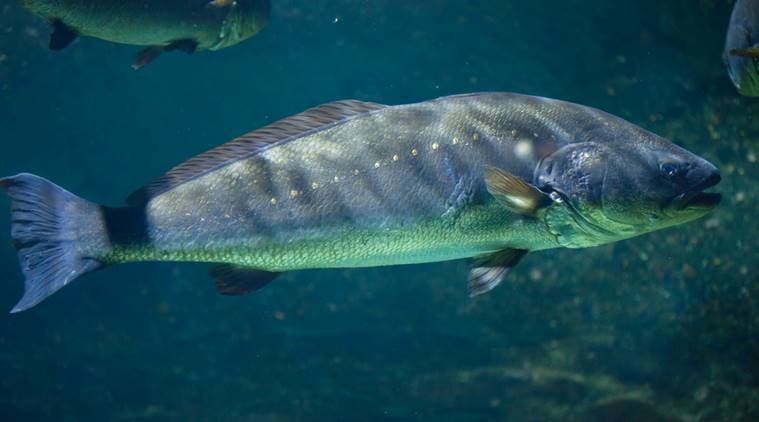
The Ghol fish is one of the largest fish found in India. It lives in the coastal waters of Gujarat and Maharashtra and has a golden-brown colour. It is very popular in China and other countries.
1. Commercial Importance of Ghol Fish
The Ghol fish is one of India’s costliest sea fish. Fishermen catch it near Gujarat and Maharashtra. It is sold to countries like China, Japan, and Singapore. A special part inside the fish is called the air bladder. After drying, it is called fish maw. One kilogram can sell for ₹25,000 to over ₹1 lakh.
People use it in medicines and expensive foods. The fish meat is also frozen and exported to other countries. Fishermen call it the “lottery fish". One big catch can earn lakhs of rupees. In 2021–22, Gujarat produced about 8.74 lakh tonnes of fish worth ₹11,221 crore.
2. Ecological Importance of Ghol Fish
The Ghol fish helps keep the sea healthy. It eats small fish, prawns, and tiny sea animals. This stops their numbers from growing too much. Ghol fish live near muddy sea floors and mangrove forests. Bigger sea animals also depend on them for food.
Scientists say healthy Ghol fish mean healthy seas. Today, pollution and too much fishing are reducing their numbers. Many now swim deeper into the sea to stay safe. In 2023, Gujarat made the Ghol fish its official state fish to help protect it.
What Are the Benefits of Ghol Fish?
Here are the benefits of the Ghol Fish:
- Ghol fish has omega-3 and DHA. These help the brain think and learn better.
- The fish has vitamins and minerals that support good eyesight.
- It contains collagen, which may help skin stay smooth and healthy.
- Ghol fish has iron, iodine, magnesium, selenium, and taurine. These help the body stay strong.
- It is rich in protein, which helps children grow and build body strength.
- Omega-3 fats may help keep the heart healthy.
- Parts of the fish are used in medicines and surgery products.
- Collagen from the fish is added to creams and skincare items.
Why is Ghol Fish Rare and Expensive in India?

The Ghol Fish is rare and expensive because it is not easily found in large numbers. It mostly lives in the Arabian Sea near Gujarat and Maharashtra and usually swims in deeper waters.
Fishermen say catching one is like winning a lottery. Large Ghol fish are especially rare because they migrate and appear near the coast only during certain seasons.
The fish is highly valued for its air bladder, also called “fish maw". This part is used in medicines, beauty products, surgery stitches, and even in making beer and wine clear. In international markets, one kilogram of its air bladder can sell for ₹3.5 lakh to ₹11 lakh.
The Ghol fish has many healthy nutrients. People in China, Japan, Singapore, and Hong Kong buy lots of it. But very few Ghol fish are caught each year. Some fishermen in India became rich after catching it.

Kriti Barua is a skilled content writer with 4+ years of experience in creating clear, engaging, and informative content. She began her writing journey as a Creative Writer Intern at Wordloom Ventures. She holds a BA degree from Delhi University and has completed a one-year diploma in TV Production and Journalism, which adds depth to her research and reporting style.
Kriti has worked across brand writing, marketing content, and digital media, building strong expertise in articles that connect with readers and perform well online. At Jagran New Media, she writes for the GK section, covering national news, international stories, and query-based articles that answer what people actively search for. Her work focuses on easy language, reliable information, strong keywords, and reader-friendly storytelling, making her content both helpful and search-friendly.


