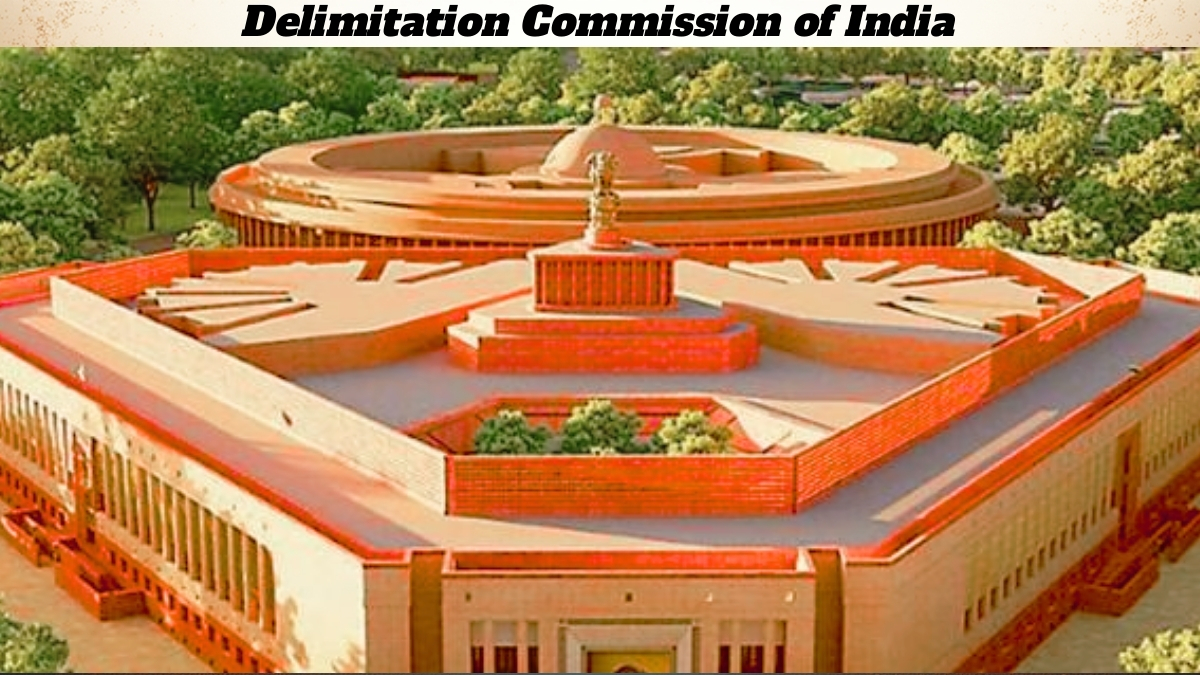
A delimitation bill is a law that changes the locations of voting districts based on population growth and also makes sure there are enough representatives for all people.
As population continues to increase and change, the amount of people in each voting district can be unequal and will affect fair representation.
This will change because of redrawing voting districts based on the most up-to-date information (i.e., population information from a national census.
The issue of drawing new voting districts creates political tension because these new drawings change who has control of government and how government is arranged.
Check Out: SIR Online Form: Official Website Link, Process and FAQs You Need to Know
What is a Delimitation Bill?
A delimitation bill is a piece of proposed legislation that allows the government to redefine electoral boundaries. It is similar to the redistricting process, where electoral districts are modified so that they have approximately equal populations.
A delimitation bill typically describes how the delimitation process will take place, who will conduct the process, usually an independent commission and the basic principles that will guide the redrawing of electoral boundaries, such as equal population, geographic continuity and administrative convenience.
What is the Purpose of a Delimitation Bill?
A delimitation bill is designed to ensure that all citizens receive an equal and fair opportunity to be represented in government.
The world experiences population growth at an uneven pace; some regions see rapid increases in their populations while others do not grow as quickly, or even have a decrease in population growth.
Without regularly reviewing the boundaries of electoral districts, there is a risk that these districts will not provide equal representation for voters.
There may be instances where some votes are more powerful than others due to imbalances in the distribution of votes across multiple electoral districts.
Delimitation will assist with:
-
Voter representation balance
-
Accurate representation of demographics
-
Strengthening democratic legitimacy
-
Preventing over or underepresentation of regions
Key Impacts of a Delimitation Bill
1. Changes in Political Power
Boundary redistributions may provide political parties with different levels of advantage in various geographical locations, thus, election results may be affected.
2. More Equal Representation
Citizens of oversubscribed areas may experience increased levels of equality in representation compared to current levels.
3. Increased Electoral Competition
Newly defined boundaries may create constituency-level competition; thereby fostering stronger democratic participation.
4. Controvertible and Debatable
Delimitation is characterized by debate and controversy because of its politcal sensitivity like fairness, transparency, potential bias, etc.
Issues and Concerns
While delimitation is important, it does have issues associated with it.
Opposition groups have demonstrated concern regarding the possibility of manipulation of boundaries in order to enhance a particular political party’s voter base; in other words, gerrymandering.
Therefore, transparency, neutrality, and public confidence must be maintained throughout the delimitation process.
Also, frequent changes to constituency size may create confusion among voters and administrative difficulties in conducting elections, especially if elections are held shortly after changes take place.


-1776324101842_t.webp)