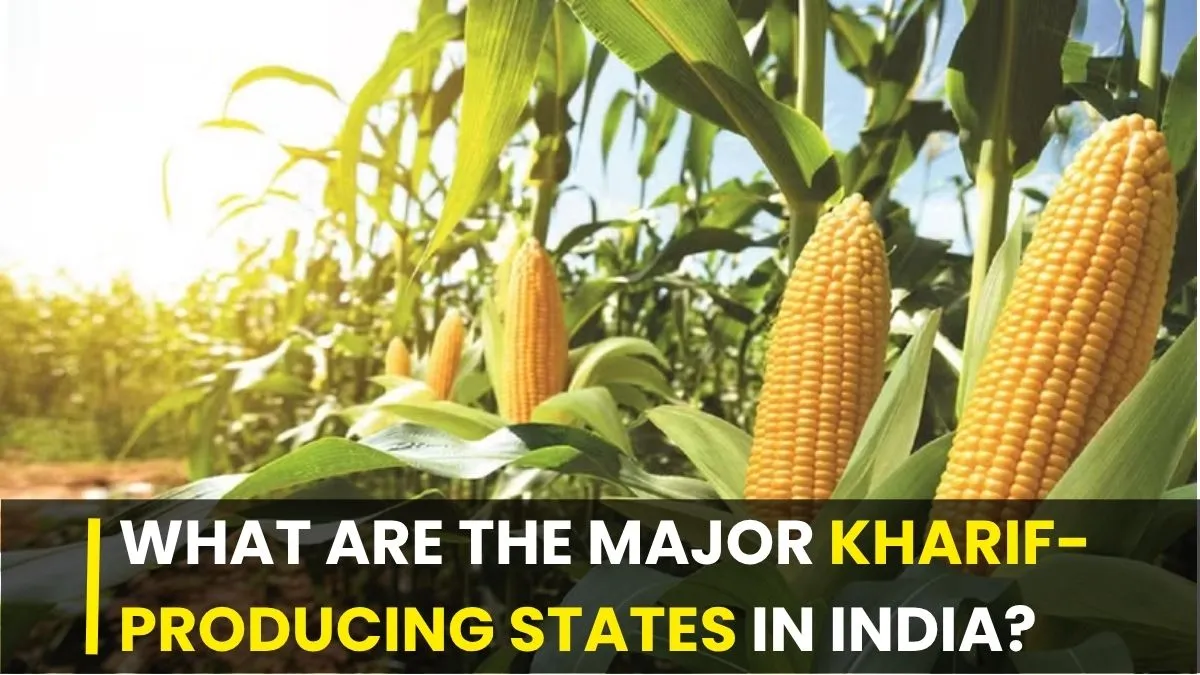
Indian agriculture is mainly divided into three cropping seasons: kharif, rabi, and zaid. Kharif crops, or monsoon crops, are agricultural plants sown at the beginning of the rainy season (June to September) and harvested at the end of the monsoon season (September to November).
The Indian monsoon system is a key factor in the country’s agricultural diversity. It brings rainfall, which is vital for many crops. India experiences the southwest monsoon and the northeast monsoon.
The southwest monsoon brings rain from June to September. The northeast monsoon prevails from October to December. The kharif crops are dependent on the timely arrival of the monsoons. The northeast monsoon is crucial for the seasonal growth of kharif crops in northern and central India.
Did you know? The terms 'kharif', 'rabi', and 'zaid' are of Arabic origin and have been in use since the Mughal times. Kharif means 'autumn' in Arabic.
What are the major Kharif crops in India?
First, let's look at the list of major Kharif crops. Refer to the list below:
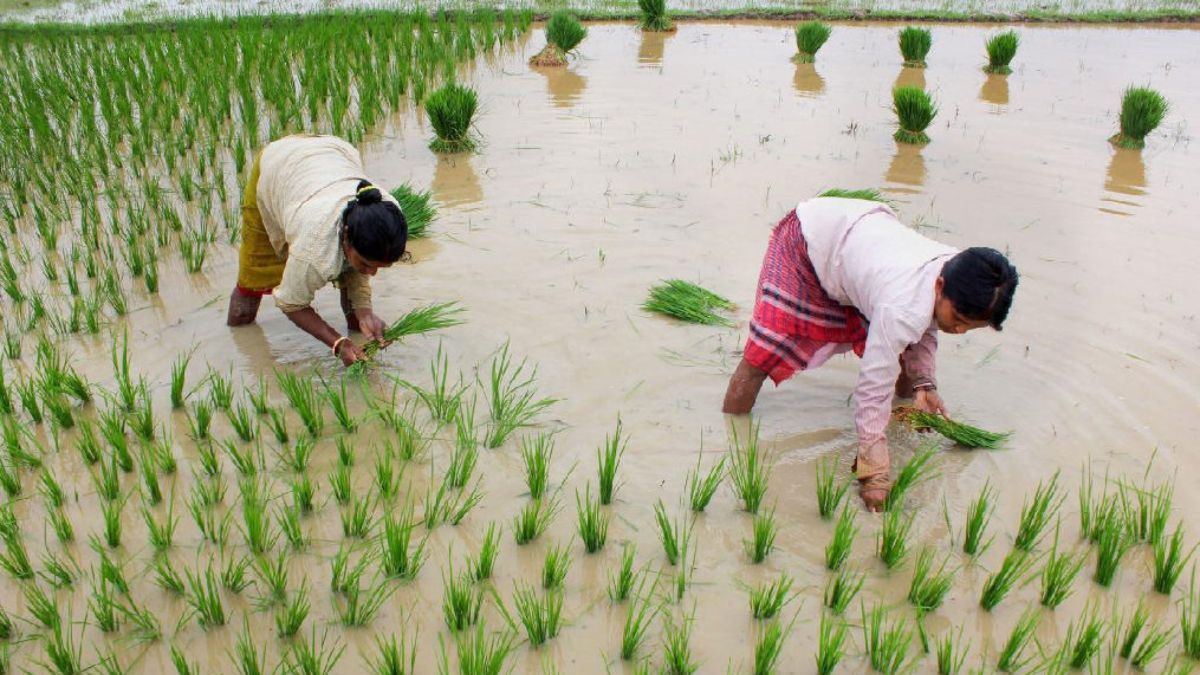
Cereals & Millets: Rice (Paddy), Maize, Bajra (Pearl Millet), Jowar (Sorghum), and Ragi.
Pulses: Tur (Arhar/Red Gram), Moong (Green Gram), Urad (Black Gram), Cowpea (Black-Eyed Pea).
Oilseeds: Soybean, Groundnut, Sesame (Til), Sunflower, Castor, and Nigerseed.
Fiber Crops: Cotton, Jute.
Cash Crops: Sugarcane, Turmeric, Coffee.
What are major kharif-producing states in India?
Kharif crops require substantial rainfall between 100 to 150 cm and warm and humid conditions. These crops prefer loamy or alluvial soil. Here are the major kharif-producing states and their key crops:
| List of Major Kharif Producing States | |
| Crop | States |
| Rice (Paddy) | West Bengal, Uttar Pradesh, Andhra Pradesh, Punjab, Tamil Nadu, Bihar, Odisha, Assam |
| Maize | Karnataka, Andhra Pradesh, Madhya Pradesh, Rajasthan, Maharashtra, Bihar, Tamil Nadu, Uttar Pradesh, Himachal Pradesh, Jammu & Kashmir, Gujarat |
| Bajra | Rajasthan, Karnataka, Uttar Pradesh, Haryana, Gujarat, Madhya Pradesh, Tamil Nadu, Andhra Pradesh |
| Jowar | Maharashtra, Karnataka, Rajasthan, Tamil Nadu, Andhra Pradesh, Uttar Pradesh, Madhya Pradesh |
| Ragi | Karnataka, Uttarakhand, Tamil Nadu, Maharashtra, Andhra Pradesh, Telangana, Jharkhand, Odisha, Himachal Pradesh |
| Pulses | Maharashtra, Madhya Pradesh, Karnataka, Uttar Pradesh, Rajasthan, Andhra Pradesh |
| Oilseeds | Madhya Pradesh, Maharashtra, Rajasthan, Gujarat, Karnataka, West Bengal, Tamil Nadu, Uttar Pradesh, Andhra Pradesh, Odisha |
| Cotton | Gujarat, Maharashtra, Telangana, Andhra Pradesh, Karnataka, Madhya Pradesh, Punjab, Haryana, Rajasthan |
| Jute | West Bengal, Assam, Bihar, Odisha, Meghalaya, Tripura, Uttar Pradesh |
| Groundnut | Gujarat, Andhra Pradesh, Tamil Nadu, Karnataka |
| Sugarcane | Uttar Pradesh, Maharashtra, Karnataka, Tamil Nadu, Gujarat, Bihar, Haryana, Punjab, Andhra Pradesh, and Uttarakhand |
| Turmeric | Maharashtra, Telangana, Tamil Nadu, Karnataka, Andhra Pradesh, Odisha, Madhya Pradesh |
| Coffee | Karnataka, Kerala, and Tamil Nadu |
Key Facts About Kharif Crops Producing States
India ranks as the world’s second-largest producer of both rice and wheat, with output reaching 150.18 million tonnes of rice during 2024-25.
India ranks first worldwide in millet production, achieving approximately 18.59 million tonnes (2024-25). Rajasthan is the largest producer of millet (especially bajra/pearl millet) in India.
Karnataka is called the "Maize Bowl of India," leading with over 16% of the national production.
India is the world’s second-largest producer of fruits and vegetables, with output reaching 114.51 million tonnes of fruits and 219.67 million tonnes of vegetables in 2024-25
India is the second-largest producer of sugarcane, with output of 454.61 million tonnes (2024-25). Uttar Pradesh is the largest producer of sugarcane, often called the 'Sugarcane Bowl' of India, followed by Maharashtra.
India ranks as the world’s second largest producer of cotton, with key production in Karnataka, Maharashtra, and Gujarat.
India produces around 0.36 million tonnes of coffee annually, with nearly 70 percent exported to 128 countries.
Also read: What is enriched uranium and what is it used for?