Did you know the word "democracy" comes from two Greek words that mean "people" and "power"? Democracy is a form of government in which. Instead of a single king making all the decisions, everyone has a say in how things work. The main idea is that fairness and equality matter most.
But democracy did not suddenly appear. A long time ago, a brave leader changed history. He was not a king, but he wanted to take power from the rich few and give it to everyone else. He brought in big changes that let ordinary people vote on important decisions for the first time.
Do you know who is called the Father of Democracy? In this article, we will explore the life of this important leader and the ancient city where democracy started.
ALSO READ| Who Is Known As The Father Of Physics?
What is Democracy and How Does it Work?
Democracy is a type of government in which the people hold the power. In these countries, all citizens can take part in decisions about how the country is run. The main idea is that everyone is equal and has the same rights.
How it Functions
Democracy works through several key pillars that ensure fairness:
- Voting gives people the power to choose their leaders. By casting votes in elections, citizens make sure that those in charge reflect what the public wants.
- When most people vote for something, that side wins. However, the law also protects the rights of those who did not win.
- The rule of law means everyone must follow the same rules, including leaders like the President or Prime Minister.
- Freedom of speech allows people to share their ideas, speak out against the government, and ask for changes without being afraid.
Types of Democracy
- Direct Democracy: People vote directly on every law (common in ancient times).
- Representative Democracy: People elect officials (like Members of Parliament) to make laws on their behalf. This is what most countries use today.
Who is Considered the Father of Democracy?

Source: The Collector
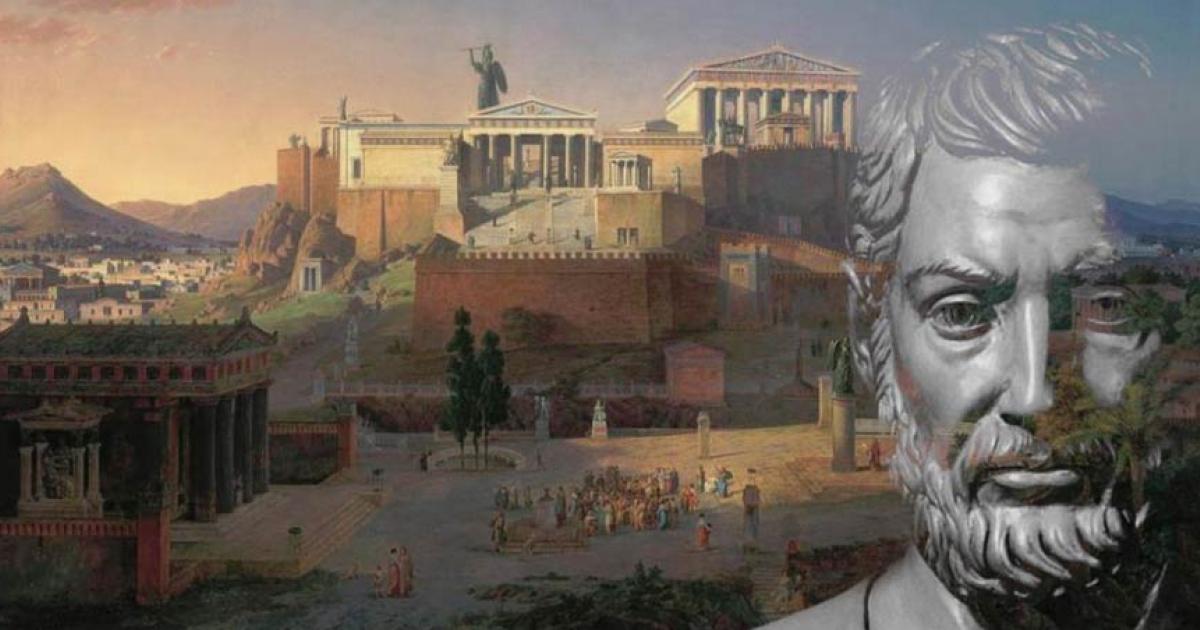
Cleisthenes is often called the "Father of Democracy". He was a Greek statesman who lived in Athens about 2,500 years ago.
Why Cleisthenes?
- Other leaders made small changes before Cleisthenes, but he was the one who truly "unlocked" power for ordinary people.
- Before Cleisthenes, Athens was controlled by a few wealthy families known as the aristocracy. They owned most of the land and set all the rules.
- In 508–507 BC, Cleisthenes introduced a series of bold reforms.
- He believed a city's strength came from its people, not just its wealth.
- By changing Athens' legal system, he created the world's first known organised democracy.
IN CASE YOU MISSED| Who Is Known As The Father Of Economics?
What Were His Major Contributions to Ancient Athens?
Cleisthenes did more than give speeches. He changed the way the city worked so that no single family or group could control the government again.
Key Reforms and Inventions
- The Tribe System (Demes): He broke the old power blocks by dividing Athens into 10 new tribes. These tribes brought together people from the coast, the city, and the mountains. This forced people to work with neighbours they didn't know, creating a sense of unity.
- The Council of 500 (Boule): He created a group of 500 citizens who were chosen by lottery, not by wealth. This council proposed laws and handled the city's daily business.
- The Assembly (Ekklesia): This was the heart of his system. It was a massive meeting where all male citizens could show up, speak their minds, and vote on laws by a show of hands.
- Ostracism: To protect democracy, he introduced a system in which citizens could vote to exile anyone they believed was becoming too powerful or dangerous to the city's freedom.
Why is His Legacy Still Important Today?
Source: Ancient Origins
Even though Cleisthenes lived thousands of years ago, his ideas are the blueprint for the modern world. Without his vision, our current governments might look very different.
Lessons We Still Use
- Citizen Participation: He showed us that a country’s strength depends on its people taking part. When we vote today, we use a right that he helped create.
- Equality Under the Law: He introduced the idea of "isonomia", meaning "equal laws for all". This idea forms the base of today’s justice systems.
- The Lottery of Service: He believed that any regular person, not just politicians, could serve in government. We still see this today with things like "jury duty".
- Prevention of Tyranny: By setting up checks and balances, he taught later generations how to stop any one person from gaining too much power.
Cleisthenes showed that a government run by the people could really work and help create a fair society. His "Great Experiment" in Athens later influenced many countries and helped shape the freedoms we have now.
WHAT'S NEXT| Who Is Known As The Father Of Geography?