Mumbai Water Crisis: Penalty on Water Misuse Announced Amid Shortage Concerns
Mumbai faces a water crisis as BMC announces penalties for water misuse. Know why the city is facing shortage concerns, restrictions imposed and water conservation measures.

Mumbai is facing rising concerns over water availability as dwindling water reserves and delayed rainfall have raised fears over the city’s water supply. The Brihanmumbai Municipal Corporation (BMC) has warned of strict action against water misuse, including penal action for unnecessary wastage of drinking water. The decision comes at a time when water levels in lakes that supply water to Mumbai are depleting, making conservation measures more crucial. Authorities have appealed to residents, commercial establishments and industries to use water judiciously to ensure adequate supply during the shortage period.
Why Is Mumbai Facing a Water Crisis?
The water supply of Mumbai largely depends on seven lakes namely Upper Vaitarna, Modak Sagar, Tansa, Middle Vaitarna, Bhatsa, Vihar and Tulsi. These reservoirs collect water during the monsoon and supply drinking water to millions of inhabitants throughout the year. However, dwindling water storage levels, increasing demand and unpredictable rainfall patterns have put a strain on the city’s water resources. As the summer months increase water use, authorities are focusing on reducing waste and managing existing reserves.
BMC Announces Penalty for Water Misuse
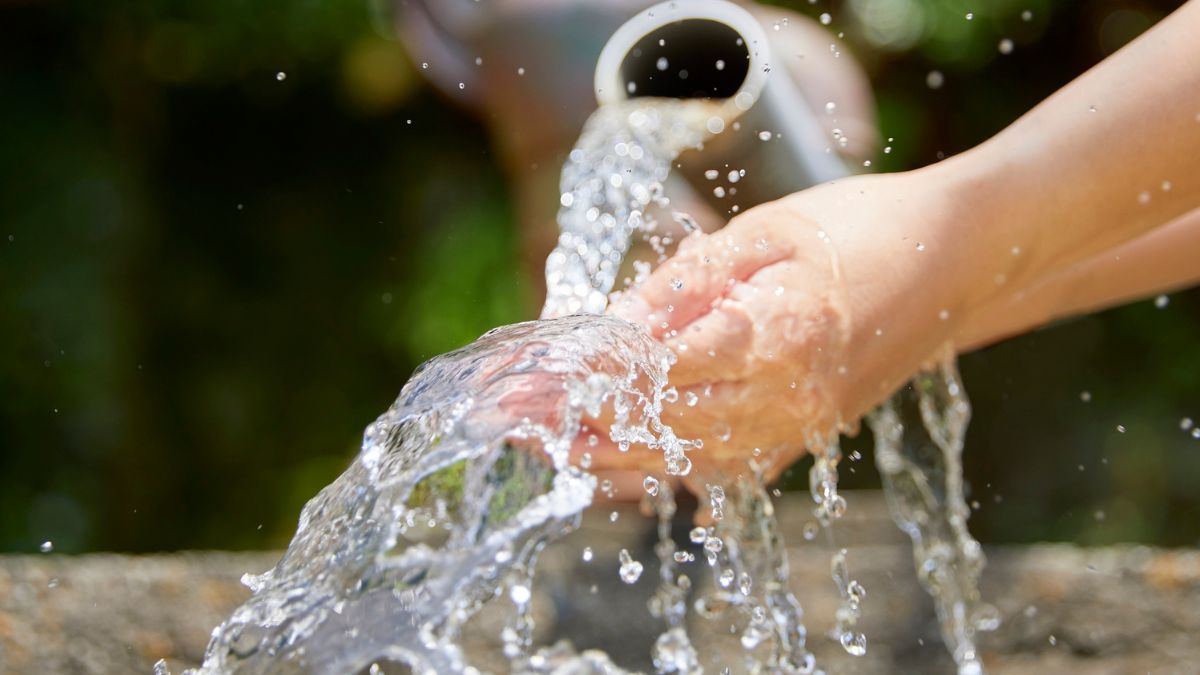
BMC has warned of strict action against persons and establishments found wasting drinking water. The civic body has appealed to citizens to avoid unnecessary use of treated water and to follow conservation guidelines. The penalty system aims at discouraging activities that lead to excessive water consumption and ensuring that available water resources are predominantly used for essential needs.
No Car Washing With Drinking Water
One of the major steps announced during water shortage is curtailing the use of potable water for washing vehicles. City residents were advised not to use treated water to wash cars and for other non-essential cleaning activities. The measure is aimed at reducing wastage of water on a daily basis, as washing vehicles can consume a lot of water when done on a regular basis.
Restrictions on Swimming Pools and Construction Activities
Restrictions have also been put on activities such as swimming pools and some construction uses in order to save water. The priority is to ensure that the drinking water requirements of residents are met before water can be used for non-essential purposes. These steps are part of a larger set of measures to manage the city’s scarce water resources during the shortage timeframe.
Industrial and Commercial Water Restrictions
Commercial and industrial operations also have been asked to reduce water use. Businesses should use water saving practices and recycled or treated wastewater wherever possible. It will help reduce the pressure from big users and will help maintain a more stable supply of water for households across Mumbai.
Why Are Mumbai’s Lakes Important?
The city’s water system is dependent on the seven lakes that feed Mumbai. These reservoirs collect rain water in the monsoon and later it is treated and supplied to homes, offices and industries. Any reduction in their water levels directly impacts the city’s ability to provide regular water supply, particularly in the months before fresh monsoon rains.
Interesting Facts About Mumbai’s Water Supply
Mumbai Depends on Seven Major Lakes
Mumbai gets its drinking water supply from seven lakes situated in and around the city. These reservoirs are vital to supply the daily water needs of millions of people.
Mumbai Receives Heavy Rainfall but Still Faces Shortages
Despite receiving a good amount of rainfall every year, Mumbai is short of water because of its large population, growing demand, limited storage, and water management problems.
Water Demand Continues to Rise
With Mumbai growing as the financial capital of India, the population, housing and commercial development are putting more pressure on water resources.
Groundwater Cannot Fully Solve Mumbai’s Crisis
Unlike some cities that depend heavily on groundwater, making their conservation extremely important, Mumbai’s water supply is largely dependent on surface water sources like lakes and reservoirs.

Jasreet Kaur is a journalist with over 3 years of experience in digital media and news content creation. She specializes in covering Trending News, including major National and International developments, with a focus on delivering accurate, engaging, and reader-friendly stories. Prior to this, she worked with Zee News as a Content Writer, where she gained extensive experience in news reporting and content strategy. Driven by curiosity, credibility, and a passion for impactful journalism, Jasreet aims to contribute to informed public discourse while supporting positive growth in organizations, society, and the world.