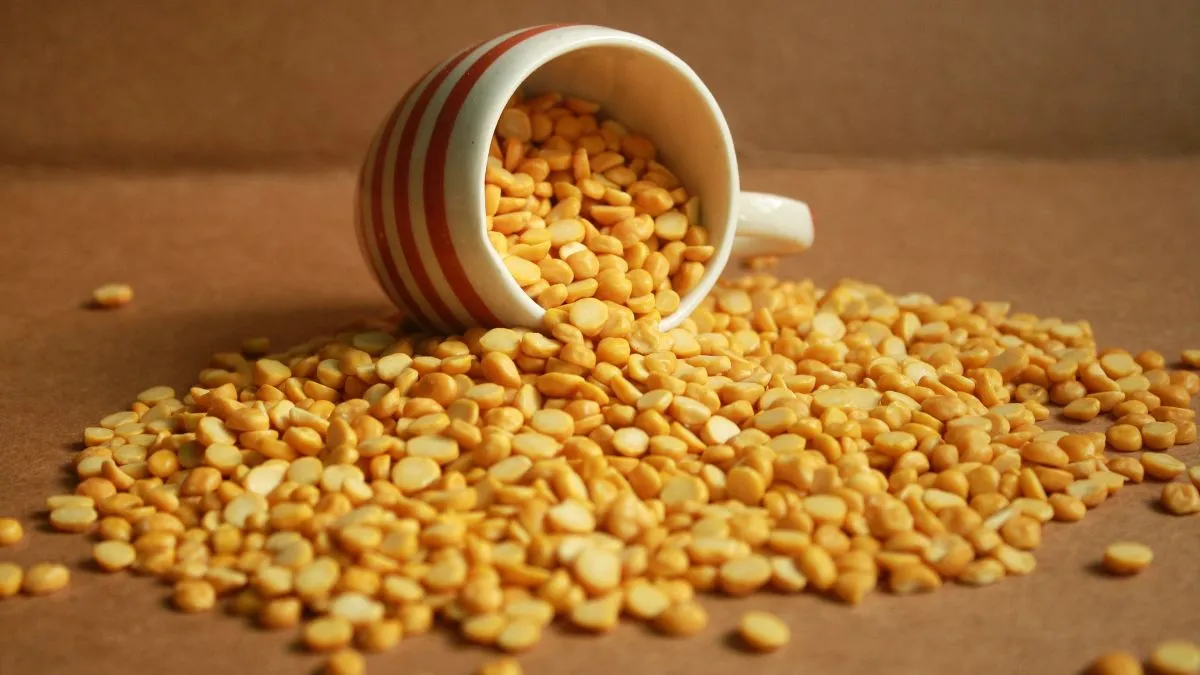
Dal is one of the most important foods in Indian cuisine and is consumed daily in many households. It is prepared using pulses or lentils cooked with spices and seasonings. Dal provides protein and nutrients, especially in vegetarian diets. Different regions in India prepare dal using unique recipes and ingredients. The dish remains an essential part of South Asian food culture.
What is Dal Called in English?
Dal is commonly referred to as “lentils” or “pulses” in English depending on the context. The term “dal” itself is also widely used internationally for cooked lentil dishes. Pulses are dried edible seeds of legume plants. Lentils, peas, and beans are included in this category.
Types of Dal in India
India has many varieties of dal such as toor dal, moong dal, masoor dal, urad dal and chana dal. Each type differs in flavour, texture and cooking time. Regional cuisines use specific dal varieties in traditional recipes. Some dals are commonly used for soups while others are used in snacks and curries.
Largest Producer of Pulses in the World
India is the largest producer of pulses in the world. The country contributes the highest share of global pulse output and plays a central role in both production and consumption. Pulses are a vital part of India’s agriculture and daily diet, making the country a global leader in this sector.
Which State is the Largest producer of Pulses in India?
Rajasthan, often referred to as the ‘king of pulses’, is located in northwestern India. Despite its arid climate, the state has emerged as the leading producer of pulses in the country. This achievement is attributed to its vast agricultural land, adoption of modern farming practices, and favourable climatic conditions that support pulse cultivation.
Most Popular Dal in India
Toor Dal is considered one of the most popular dals in India. It is widely consumed in households across multiple states. The dal is commonly served with rice and roti. Its mild flavor and nutritional value increase its popularity.
Nutritional Benefits of Dal
Dal is rich in protein, fiber, iron, and essential nutrients. It is especially important in vegetarian diets. Lentils help provide balanced nutrition at affordable cost. Regular consumption supports healthy diets and energy intake.
Which Crop is known as the Queen of Pulses?
Chickpea holds this title due to its dominant position among pulse crops. It is rich in protein, consumed daily by millions, and grown across diverse agro-climatic regions. Its importance in vegetarian diets and sustainable agriculture makes it the most valuable pulse crop.
Dal Dishes Popular in India
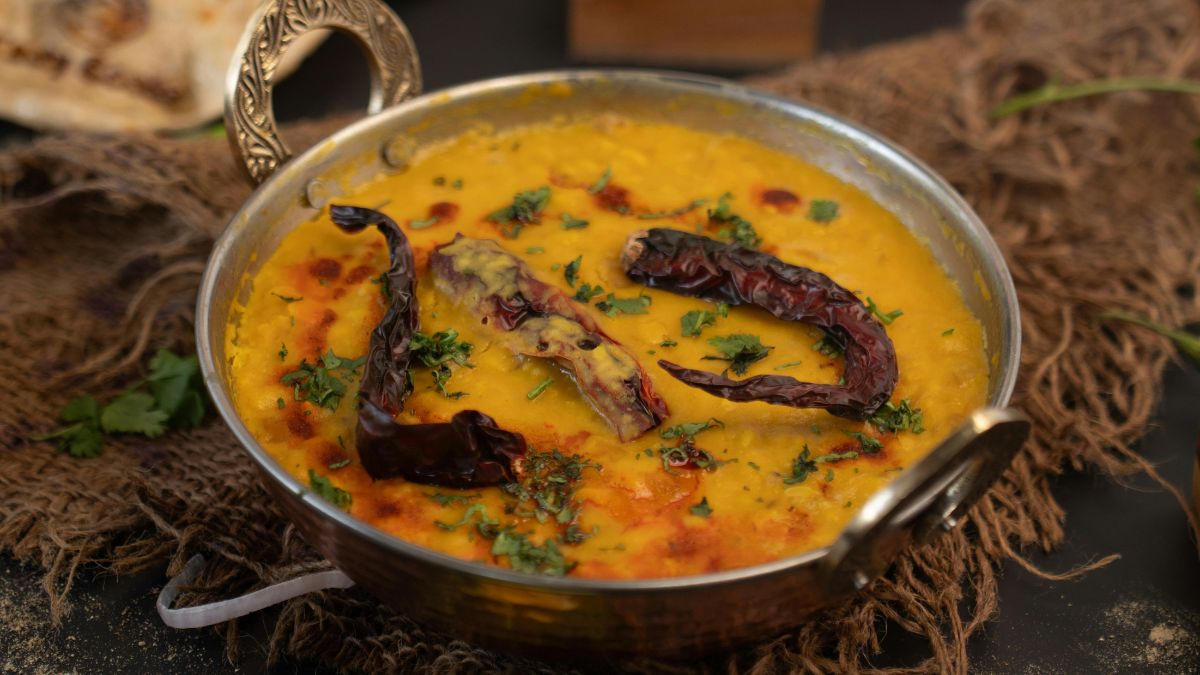
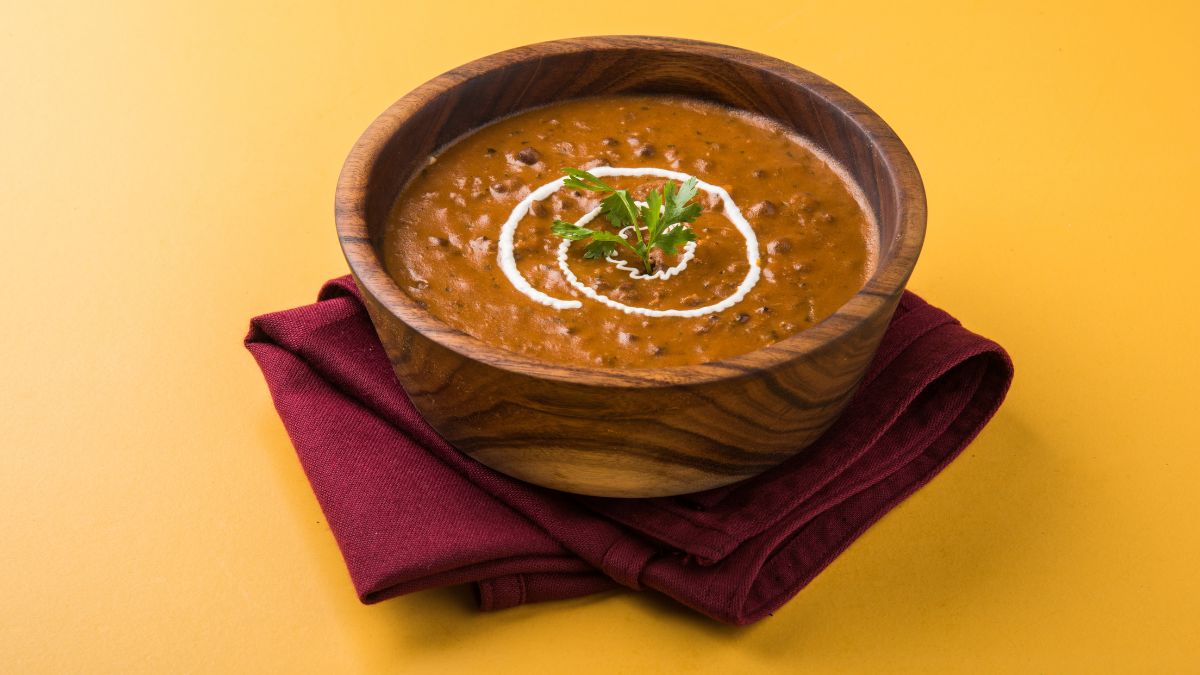
Popular dal dishes include dal tadka, dal makhani, sambhar, panchmel dal and yellow dal fry. Different regions prepare these dishes using unique spice combinations. Tempering techniques strongly influence flavor and aroma.
Interesting Facts About Dal
Staple Food in India
Dal is consumed daily in many Indian households. It forms an important part of lunch and dinner meals.
High Protein Source
Dal is a major protein source for vegetarians. Nutritional value increases its dietary importance.
Multiple Pulse Varieties
Different pulses are used to prepare dal dishes. Each variety has unique cooking properties.
Widely Used Across Asia
Dal-based dishes are common in several South Asian cuisines. Regional recipes vary widely.
Easy to Digest
Many dal varieties are considered easy to digest when properly cooked. This increases their popularity in balanced diets.
Read more: What Is Hing Called in English?



-1778565195412_t.webp)