Leopards Live in 75 Countries Across the World — But Nearly 50% of Them Call One Nation Home — And It's Not in Africa!
There are approximately 130,000 leopards in the world. However, there is one such country which is home to nearly 50% of the leopard population. This country is not on the African continent and is often known as the “Sparrow of Gold”. Can you take a guess? Let’s uncover!
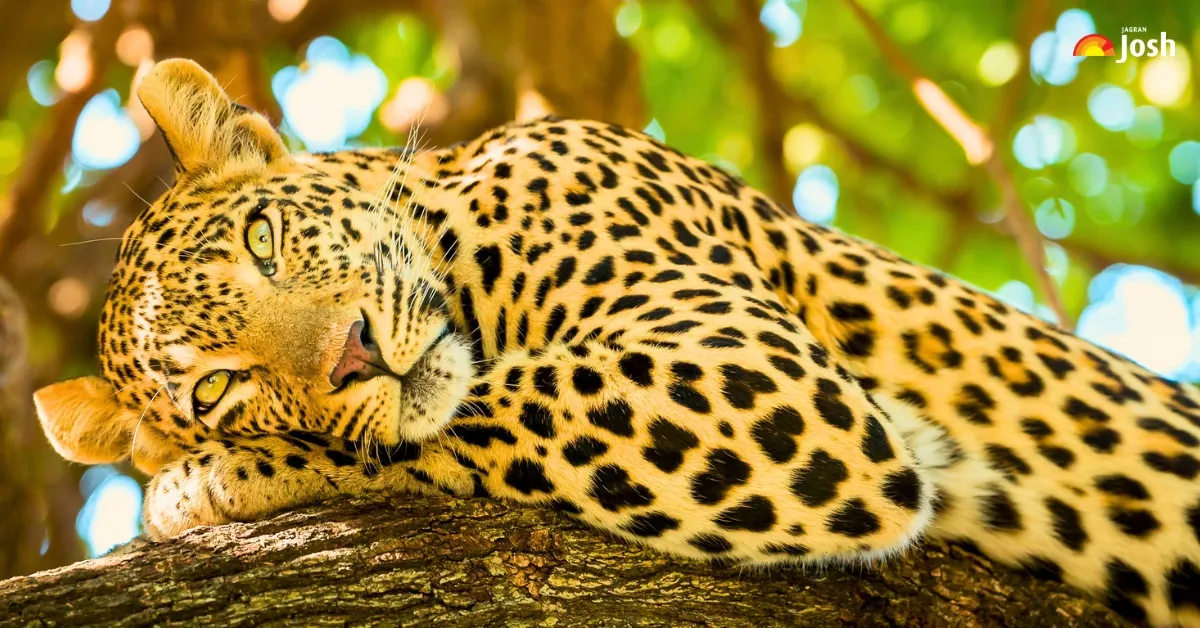
As cat lovers, we could even pat a lion or a tiger (if they were patable). But somehow, these wild animals are not familiar with human touch and our love language. Other big cats, such as leopards (Panthera pardus), are among the most commonly found cats on Earth. Talking about their total population in the world, these ambush hunters are estimated to be around 50,000 to 130,000 individuals.
But here's some concerning news for anyone who loves animals. In the IUCN Red List, these night owls are classified as 'Vulnerable', meaning they face a high risk of extinction. This is mainly because of illegal poaching. Hunters target leopards for their skin, teeth, claws, bones, and organs. These parts are used in traditional medicine, luxury home decor, and cultural ceremonies.
To fight this, many countries have passed strict laws to protect leopards. They have also created safe national parks like Kruger in South Africa, Serengeti in Tanzania, and Jim Corbett in India. These protected areas safeguard the leopards' natural homes and keep them safe from poachers.
However, here's a question for you: do you know which country has the highest number of leopards in the world? Let's make this easier: this country isn't in Africa. Though you may find several African nations in the list. This country actually has the highest number of leopards in the world. Do you know which country we're talking about? Let's uncover!
3 Interesting Facts About Leopards
Here are the top 3 interesting and lesser-known facts about these wild cats:
- Leopards are nocturnal animals. They have excellent night vision and highly sensitive whiskers. These 2 important senses help them to easily navigate and hunt even in total darkness.
- Leopards and panthers are the same. They are not different species. It's just that the Panthers have a genetic condition called 'melanism', where their skin colour or fur is purely black. Still, you can see rosettes under the right light.
- The black spots on their skin are called rosettes. These unique patterns help them in camouflage. These patterns are called rosettes because they look like roses with a hollow centre. This makes them very different from a cheetah’s solid spots.
Which Country Has The Highest Population Of Leopards?
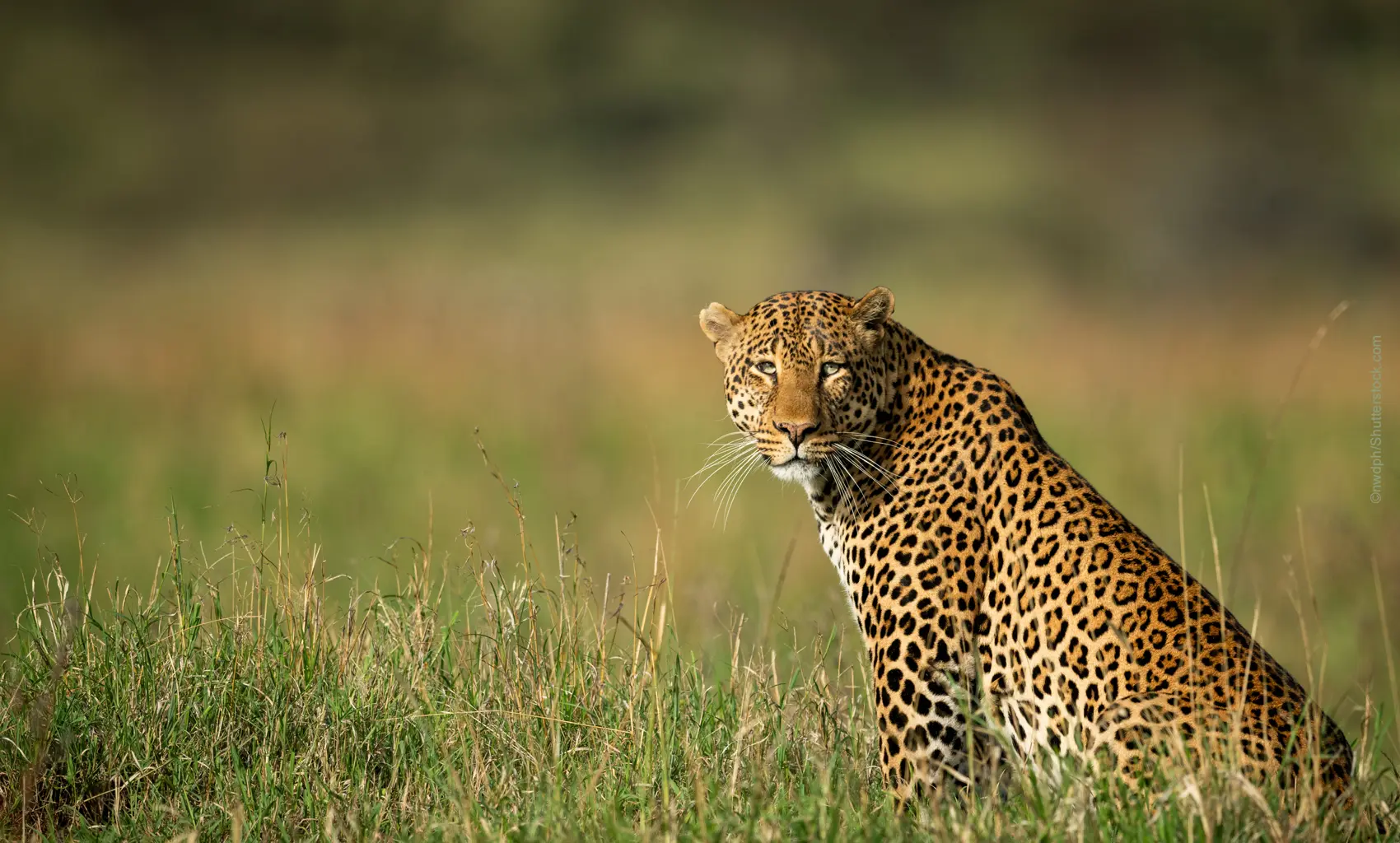
Okay, so before revealing the answer, comment down your answers in the comment box. We would like to know whether your first instinct was right or if you missed the spot. What do you think? Is it China, Japan, the Philippines, Indonesia, Malaysia or the United States? It's none of them.
The answer is India. Yes, India has the largest leopard population in the world, with an estimated 12,000 to 14,000 leopards. The following data is taken from the PIB, and the breakdown is as follows:
- Madhya Pradesh: The 'Heart of India' is home to around 3,907 leopards, the largest population in the entire country. This census was taken in 2018. Before 2018, the population was estimated at 3,421; now it is 3,907, a massive increase of 486 leopards.
- Maharashtra: After MP, "The Finance Capital of India" ranks #2, with around 1,985 leopards. This census was taken in 2022. Before the 2022 census, the leopard population was 1,690, as recorded in 2018, but we can see a huge increase of 295.
- Karnataka: The “IT Capital of India" comes at #3 with the last census taken in 2022. In 2022, the population of these nocturnal wild cats was 1,879. But prior to 2022, in 2018, there was a dip in their population, with a total leopard count of 1,783.
- Tamil Nadu: This beautiful "Land of Temples" is home to around 1,070 leopards. This official census was taken in 2022. However, in 2018, this count was even below 1000. It was 868. But thanks to the efforts of the Tamil Nadu government, the 3-digit number was transformed into a 4-digit number.
After India, the world's largest leopard populations are found in several African countries. This includes Tanzania (5,000–10,000), Namibia (5,000–7,500), South Africa (4,000–5,000), Botswana (3,000–5,000), Kenya (2,000–2,500), and Zimbabwe (1,500–2,500).
To be clear, there is only one actual species of leopard in the world. However, scientists recognise 8 distinct subspecies based on where they live and their genetic differences.
The 8 distinct leopard subspecies recognised by the IUCN Cat Specialist Group are:
- African Leopard (P. p. pardus) – Found across sub-Saharan Africa, this is the most widespread and numerous group.
- Indian Leopard (P. p. fusca) – Found across the Indian subcontinent (the group making up India's 13,874 individuals).
- Amur Leopard (P. p. orientalis) – Native to the Russian Far East and Northern China, it is one of the rarest big cats on Earth, with around 100 individuals left in the wild.
- Javan Leopard (P. p. melas) – Isolated entirely on the Indonesian island of Java; highly prone to melanism (black panthers).
- Arabian Leopard (P. p. nimr) – Native to the Arabian Peninsula; the smallest of all the subspecies and critically endangered.
- Persian / Anatolian Leopard (P. p. tulliana) – Found across Turkey, the Caucasus, Iran, and Central Asia; it is the largest of all the subspecies and adapted to rugged mountain ranges.
- Sri Lankan Leopard (P. p. kotiya) – Unique to the island of Sri Lanka, where it has evolved to be the apex predator because there are no lions or tigers to compete with it.
- Indochinese Leopard (P. p. delacouri) – Native to mainland Southeast Asia and southern China.
It is also worth noting that animals like the Snow Leopard and the Clouded Leopard are not actually true leopards. While they share the "leopard" name, they are entirely different biological species rather than subspecies of the common leopard.
Are Leopard Populations Increasing or Declining Worldwide In 2026?
One advantage of being a leopard is that they're extremely adaptable. They can eat anything from large antelopes and monkeys to birds, rodents, and dung beetles. Additionally, they thrive across the African savannas, Asian forests, and deserts. But still, these A+ swimmers are in big trouble. What risk? Here's it.
Why are Leopards in Trouble?
There are a few big reasons why their numbers are dropping across the globe:
- No Home Left: As cities grow and forests are cut down for farming, leopards lose their homes. This is called habitat loss.
- Less Food: When forests disappear, smaller animals like deer and wild pigs disappear too. Without them, leopards don't have enough to eat.
- Poaching: This is the biggest issue. Poachers hunt them illegally to sell their beautiful spotted skin, teeth, and claws on the black market.
In short, leopards are in serious trouble. The International Union for Conservation of Nature (IUCN) has labelled them as a "Vulnerable" species. This is because they have lost nearly 75% of the land they used to live in.
To make matters worse, the global leopard population has dropped by more than 30% over the last three generations. These numbers show just how urgently we need to protect them.
However, here's some good news for you. Even though things look bad globally, there is a very bright spot right here in India. While leopards are disappearing in places like Southeast Asia and Africa, India's leopard population is actually growing.
According to the latest government surveys, India has 13,874 leopards. States like Madhya Pradesh and Maharashtra have built huge national parks to keep them safe from hunters. Because the forests are protected, the leopards have plenty of space and food, which helps them raise their cubs safely.
While the global situation is worrying, India is proving that things can change. When people actively step up to protect wildlife, these amazing big cats can make an incredible comeback.

Kriti Barua is a skilled digital journalist and communications professional with 4+ years of experience, currently writing for the General Knowledge section at Jagran New Media. She has established herself as a subject matter expert in History, Geography, Trending National and International News, Sports, Science, and Defence, producing clear, reliable, and search-optimised content that connects with readers worldwide.
Kriti holds a BA degree from Delhi University and a one-year diploma in TV Production and Journalism, an academic background that adds research depth and strong storytelling instincts to her writing. Her experience spans brand writing, content marketing, and digital media, giving her a sharp understanding of what makes content both helpful to readers and visible in search.
At Jagran New Media, she applies this expertise to national and international news coverage, query-based articles, and in-depth pieces across her specialist subject areas. Her content is defined by easy language, factual accuracy, strong keyword strategy, and reader-friendly storytelling.


