Show Key Points
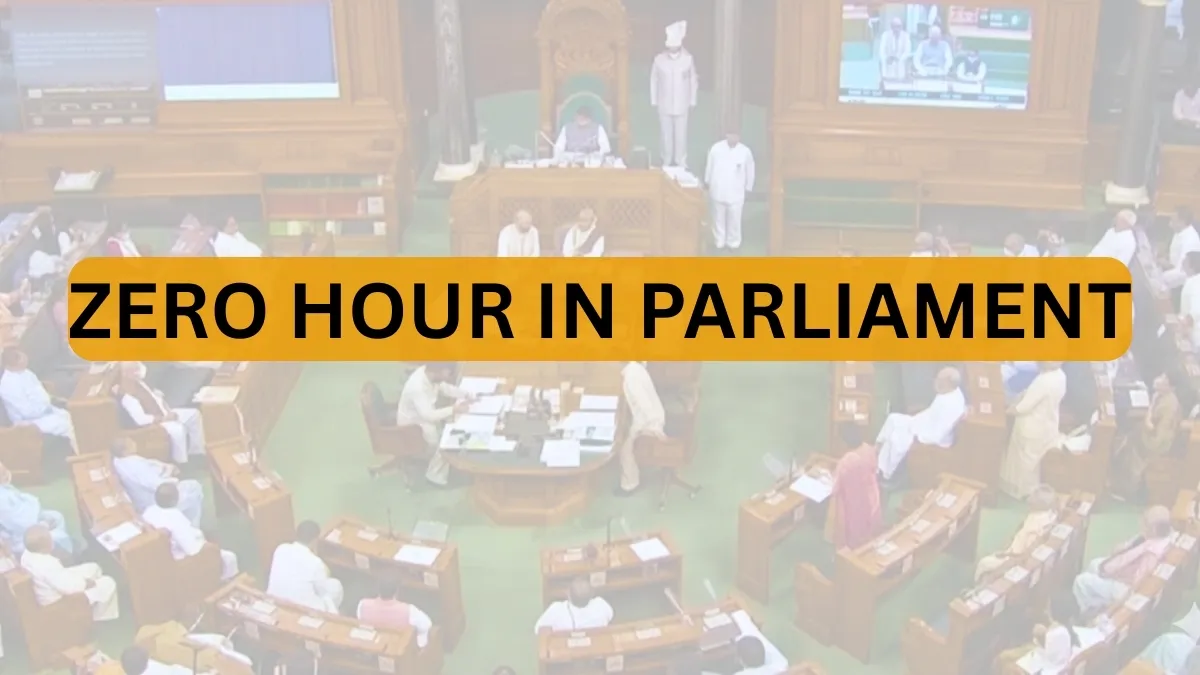
Zero Hour is an Indian parliamentary innovation. It is not mentioned in the rules of procedure or constitution of India. Unlike the "Question Hour," which is a formal part of the schedule. The concept of Zero Hour started organically in the first decade of Indian Parliament, when MPs felt the need for raising important constituency and national issues.
Zero Hour in Parliamentary Proceeding: India’s Unique Parliamentary Innovation
The timing of Zero Hour differs slightly between the two houses of the Indian Parliament:
| Feature | Lok Sabha (House of the People) | Rajya Sabha (Council of States) |
| Start Time | Immediately after Question Hour (around 12:00 PM). | Traditionally at the start of the day (11:00 AM). |
| Duration | Usually 30 minutes to an hour (until the lunch break). | Fixed at roughly 30 minutes. |
| Prerequisite | MPs must give notice to the Speaker before 10:00 AM on the day of the session. | Members must submit their requests to the Chairman. |
The Origin: How did the Zero Hour Start?
It started organically during the 1960s. In the early days of the Indian Parliament used to break for lunch at 1 pm. MPs to raise national issues without an advance notice became available at 12 pm and could last for an hour until the House adjourned for lunch known as Zero Hour and the issues being raised during this time as Zero Hour submissions.
MPs began using this 12:00 PM slot as the "zero" hour of the day to highlight pressing constituency problems or national emergencies that couldn't wait for the standard notice period. By the 10th Speaker of the Lok Sabha, Rabi Ray, the process was further streamlined to ensure more members could participate in this spontaneous democratic exercise.
Why is Zero Hour Important?
Zero Hour serves as a vital pressure valve for Indian democracy. Its importance lies in:
-
It allows for the discussion of events that happened just hours before the session (e.g., a sudden natural disaster or a major policy shift).
-
It forces the government to stay on its toes, as ministers may be asked to respond to unscripted and tough questions to ensure their accountability.
-
It provides a platform for MPs to voice the specific grievances of the people they represent ensuring that local issues reach the national stage.



Comments
All Comments (0)
Join the conversation