Key Points
- Apes (Hominidae) are called a "shrewdness" due to their intelligence and social behavior.
- Collective nouns for apes were standardized in the 1486 Book of Saint Albans.
- Ape shrewdnesses enhance survival through vigilance and gene flow; face 50% extinction risk.
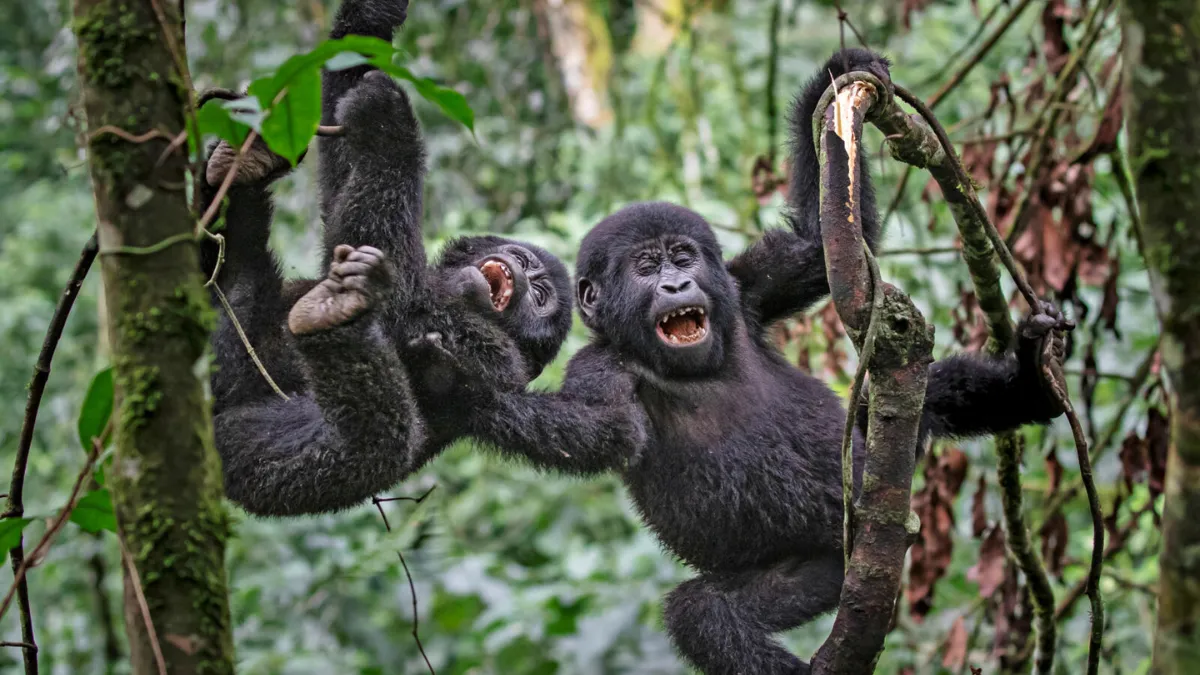
The persistently tailless primates of the family Hominidae, chimpanzees, gorillas, orangutans, and gibbons are known as a group, which is conventionally called a shrewdness, because of their great intelligence and manipulative social behavior.
Do apes play the primal game? This article reveals the linguistic playfulness of apes combined with primatology findings, of how collective nouns reflect evolutionary wisdom in societies of fission-fusion that compete with human groups.
What are the Origins of Collective Nouns for Apes?
English collective nouns were coined in the 1486 Book of Saint Albans, a hunting manual, which standardized names such as the pride of lions, which was later ornamented in the 17th-18th century literary schools to make them poetic.
Ape-specific terms Old English shreawd (shrewd or sharp-witted) became known as shrewdness, and is an apt description of intelligible apes in the earlier findings of tool use and knowledge of deceit.
Dictionaries do attest to shrewdness or troop, but there is no official zoological requirement, as to scientific community or party.
Ape Social Structures and Biology
The apes live in tropical forests and savannas, and have large brains (300-500 cm3) which are able to recognize themselves in the mirror, make their own tools, and share their culture, which only other humans and dolphins have.
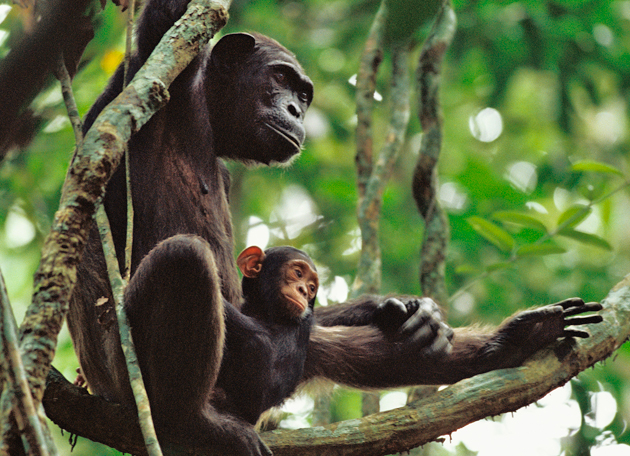
Source: Washington University
Societies are characterized by fission-fusion interactions: chimpanzees organize themselves into loose groups of 20-150, break up to forage and rejoin to groom alliances; gorillas live in permanent bands of 5-30 headed by silverback males.
These cunningnesses encourage collaboration through mutual altruism, settling disputes through reconciliation hugs, and vertical politics and the females scatter to prevent inbreeding.
MUST READ| Which Island Is Known as the Coconut Island?
Some Fun Facts About Apes
Quizzes, literature (ape troops of Tarzan), and media are full of "shrewdness" and represent primal wisdom-reminiscent in Smithsonian research on social brain evolution as the basis of human cognition.
Fun fact: Chimps engage in a kind of war between shrewdnesses, and this is how they make alliances, such as medieval clans.
Ape species have a 50 percent risk (IUCN vulnerable/endangered) of habitat loss and poaching; shrewdnesses enhance eukaryotic survival by collective vigilance and gene flow.
Orphanages are rehabilitated through Sanctuaries that imitate wild armies to emphasize group bases as a means of rewilding.



-1769975547463.png)

Comments
All Comments (0)
Join the conversation