Royal Indian Navy Mutiny of 1946: The Forgotten Naval Uprising That Accelerated British Exit
The Royal Indian Navy Mutiny of 1946. Understand its causes, the role of HMIS Talwar, political reactions, and how this naval uprising forced the British exit.
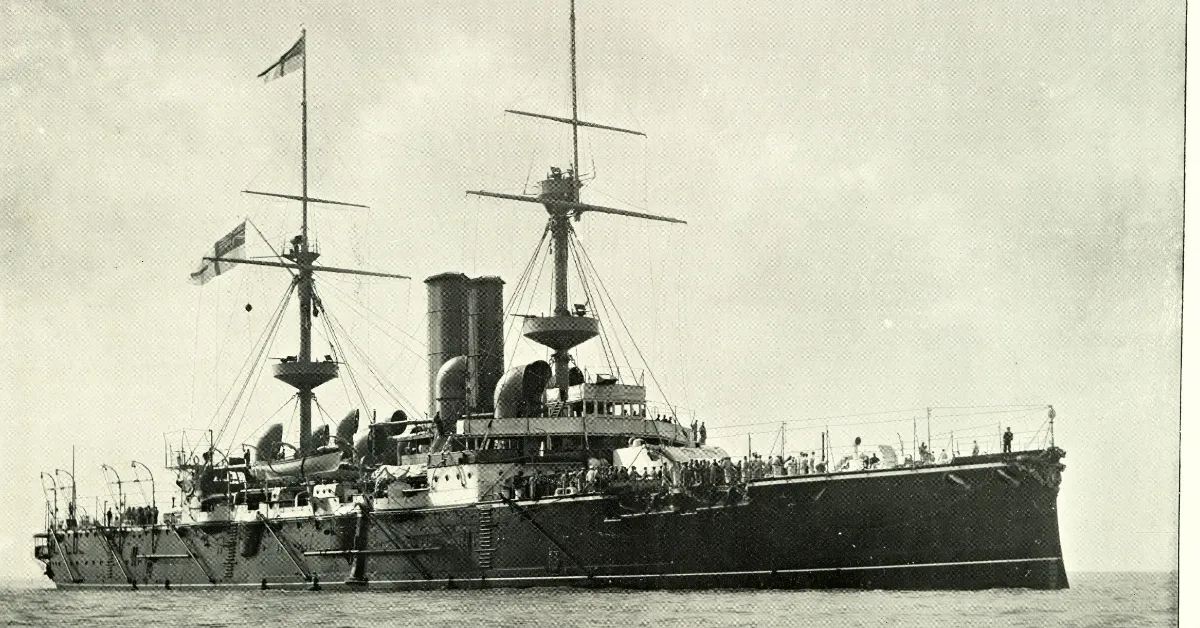
February 1946 is regarded as the turning-point event of India’s struggle for independence. Prominent nationalist movements like the Quit India Movement (1942) provided an important framework for India's quest for independence. It is the naval rebellion of 1946 that crumbled the British Raj, forcing London to rethink its ability to continue colonialism in the country.
It started on February 18, 1946, when a hunger strike initiated by sailors in a naval base in Bombay, over some inedible food, quickly turned into an armed rebellion. More than 20,000 sailors participated in the rebellion, which spread through 78 ships and installations, as far as Karachi and Calcutta. This forgotten naval rebellion destroyed the British perception of having eternal control over the Indian army.
Background and Triggering Factors
The Indian Royal Indian Navy distinguished themselves by serving successfully in various worldwide theatres of World War II. However, the aftermath of the war uncovered significant structural fissures in the colonial military system faced.
Racism: Systematic torture, beating and discriminatory treatment against these personnel by the British command led to high discontent among them.
Economic Disparity: The Indian ratings had to live in pathetic conditions, poor hygiene, and receive substantially lower salaries than the British sailors.
Triggering Event: On February 18, 1946, the ratings stationed at the shore establishment HMIS Talwar in Bombay went on strike protesting against non-eatable food and maltreatment from the Commanding Officer A.F. King.
Nationalist Events: The trial of the prisoners of the Indian National Army (INA) at the Red Fort and the public outrage regarding the punishment of Subhas Chandra Bose’s men made the fighters very radical.
Spread and Evolution of the Mutiny
What initiated as an isolated hunger strike swiftly transformed into an organized armed revolt:
Naval Central Strike Committee (NCSC): It was led by leaders like M.S. Khan (President) and Madan Singh (Vice-President). The NCSC executed its operations.
Geographical Spread: In just a few days, the revolt affected 78 vessels, 20 shore establishments, and over 20,000 sailors, which spread from Bombay to Karachi, Madras, Calcutta, and Vizag.
Social Solidarity and Public Support: An outstanding aspect of the revolt was the demonstration of unity among sailors. They hoisted the flag representing the Indian National Congress, the Muslim League, and the Communist Party. The workers, merchants, and normal people in Bombay also brought in food at the docks and engaged in conflicts with British soldiers expressing solidarity.
Entry of Other Services: Certain elements of the Royal Indian Air Force (RIAF) and local police forces expressed support or went on strike in the cities of Bombay and Karachi.
Stance of Indian National Leadership
Congress-League Position: Sardar Vallabhbhai Patel and Muhammad Ali Jinnah persuaded the commanders to surrender. Patel arranged terms whereby the safety of the leaders was assured, stating that the leaders would make efforts to ensure that there is no injustice meted out.
Strategic Considerations: The national leadership was worried that an unrestrained violent uprising on the eve of independence would give the British a reason to wage a huge military offensive and halt the ongoing constitutional talks (Cabinet Mission context) and lead to massive communal violence.
Exceptions: The Communist Party of India (CPI) and the socialist leader Aruna Asaf Ali fully supported the strike, seeing it as a mass uprising against imperialism.
The strike by the NCSC was called off on February 23, 1946. However, despite the assurances, the British colonial government prosecuted many of the mutineers.
Importance and Consequences of the British Exit
The RIN Mutiny altered British reasoning about India:
Role of Mutiny and Armed Forces: The main aspect of British rule in India was the absolute loyalty of the armed forces. Reports after February 1946 informed the Viceroy Lord Wavell and Prime Minister Clement Attlee that the trust in the Indian army was entirely lost and it would be unable to suppress the people's revolt against the British.
Accelerated Timeline: The task of avoiding a sufficiently big military presence for maintaining control turned out to be infeasible for the war-weary Britain, which hastened its plan of withdrawal.
Attlee’s Announcement: Very soon after the mutiny, Prime Minister Clement Attlee sent the Cabinet Mission to India and announced the plan for British withdrawal from India.
Frequently Asked Questions (FAQs)
1. The RIN Mutiny of 1946 is often cited as a landmark for Modern Indian History.
Many historians believe it revealed the fact that the British could no longer count on the Indian armed forces to support them in their colonial ambitions.
2. What was the role of HMIS Talwar in the mutiny?
HMIS Talwar was a Royal Indian Navy shore establishment located in Bombay. The major loss to British forces was the date when the mutiny started, namely February 18, 1946. This was because the ratings were outraged by disgusting living conditions, caste-related discrimination, and poor food.
3. What kind of reactions did various political parties show toward the RIN Mutiny?
While both the Congress and the Muslim League (with Sardar Patel speaking on behalf of the latter) urged sailors to stop the mutiny to avoid a civil war, the Communists and their allies supported the mutiny wholeheartedly.
4. What was the Naval Central Strike Committee (NCSC)?
NCSC was formed by officers on strike to coordinate their actions in different ports and ships under the leadership of its president, M.S. Khan and vice-president, Madan Singh.

Manisha Waldia is a distinguished content strategist with 5 years of experience crafting premium educational content for UPSC and State PCS, with a focus on deep conceptual analysis across Polity, Geography, History, and Environment. She currently brings this expertise to Jagran Josh, where she covers major national and international events, current affairs, and static general knowledge. Over her career, Manisha's specialized insights have led her to curate high-impact materials and serve as a UPSC Mains answer-evaluator for India’s top institutes—including Drishti IAS, Shubhra Ranjan IAS, Study IQ, GS Score, and PWonlyIAS. She has also worked alongside leading NGOs like Oxfam India and Avani Kumaon.
Contact: manisha.waldia@jagrannewmedia.com

-1786179973494_t.webp)
-1786176689815_t.webp)
-1786171311560_t.webp)

![[लाइव] UPTET Result 2026: इंतजार खत्म! यूपी टेट रिजल्ट upessc.up.gov.in पर होगा घोषित, कैंडिडेट्स ऐसे कर सकेंगे चेक](https://img.jagranjosh.com/images/2026/August/782026/up-tet-result.jpg)