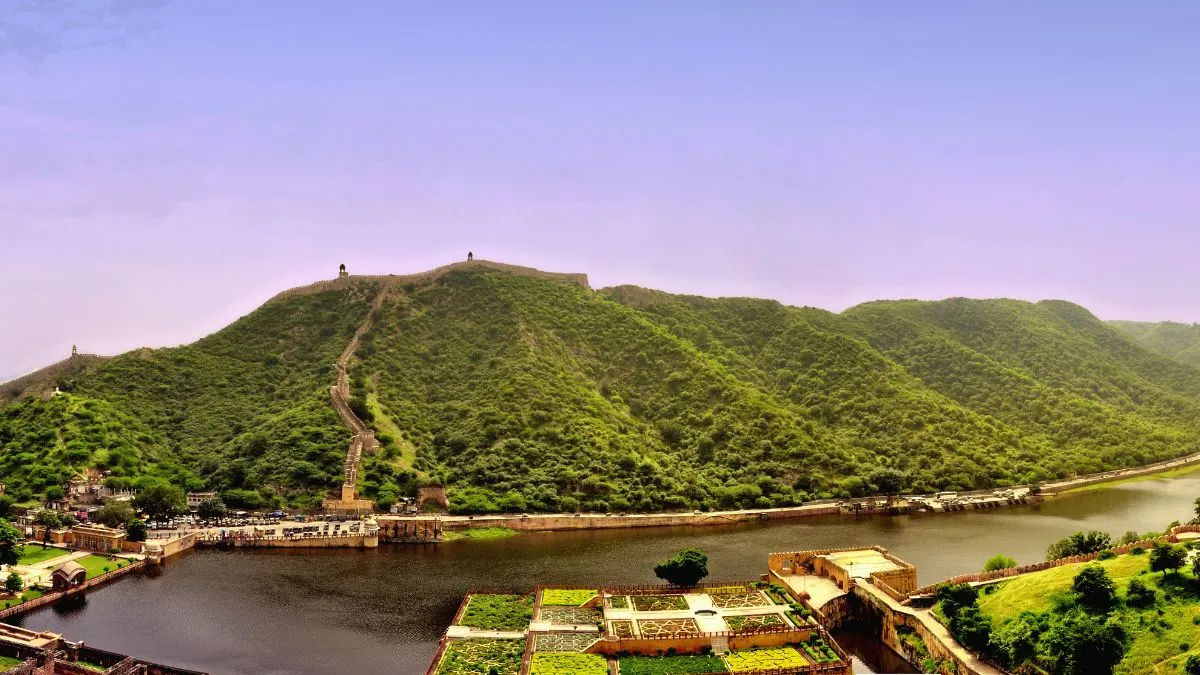
Mountain ranges are formed through tectonic activity and geological movements over millions of years. Some mountain systems are relatively young, while others date back billions of years. India contains both ancient and newly formed mountain ranges. These ranges influence climate, rivers, and vegetation patterns across regions. Among all mountain systems in India, one range stands out as the oldest.
Oldest Mountain Range in India
The Aravalli Range is the oldest mountain range in India and one of the oldest mountain systems in the world. This mountain range stretches across northwestern India and forms an important part of the country’s geological history. The Aravalli hills run mainly through Rajasthan and extend into Haryana, Gujarat and Delhi. Over millions of years, erosion reduced its height significantly, making it appear as low hills today rather than tall mountains.
Oldest Mountain Range in the World
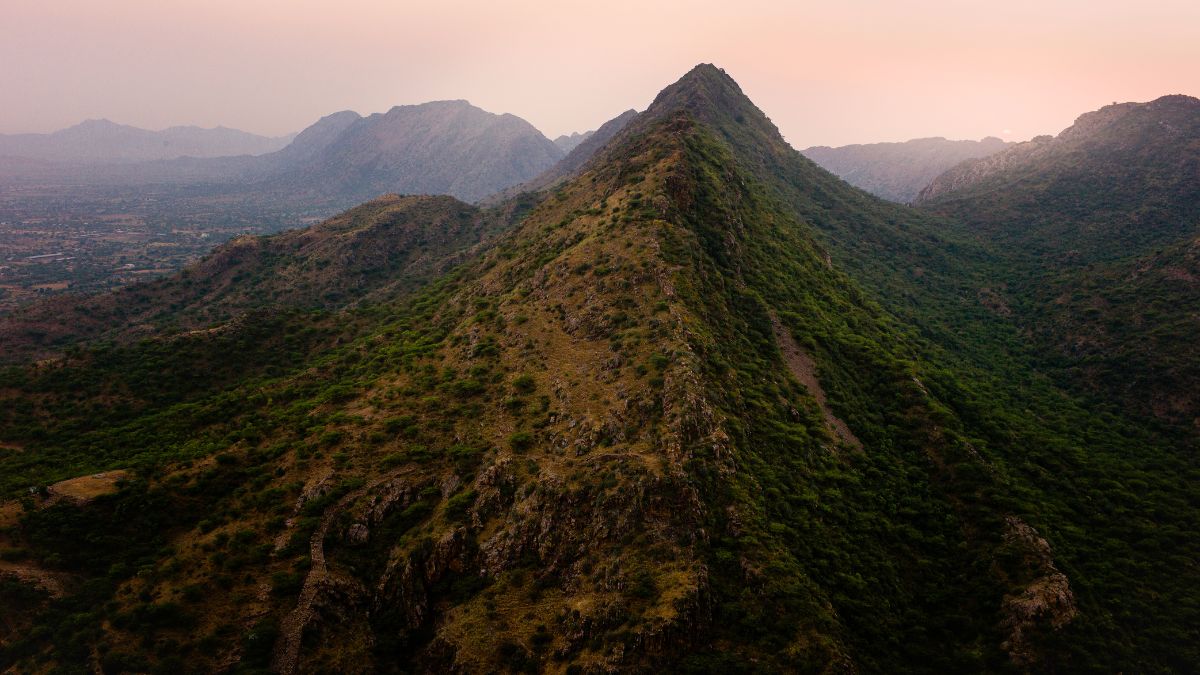
The Aravalli Range is also considered among the oldest mountain ranges in the world, formed around 1.5 to 2 billion years ago during ancient geological periods. It developed long before the formation of younger mountain systems such as the Himalayas. Geological studies show that this range once had much higher peaks that were gradually worn down by natural forces. Its long existence makes it an important example of early mountain formation on Earth.
Location of the Aravalli Range
The Aravalli Range extends for nearly 670 kilometers across northwestern India. It begins near Delhi and stretches southwest through Rajasthan toward Gujarat. The range acts as a natural boundary between the Thar Desert and fertile plains. Its location plays a role in controlling the spread of desert sands into eastern regions. Several cities and settlements developed along the foothills due to the availability of natural resources.
Highest Peak of the Aravalli Range
Guru Shikhar is the highest peak of the Aravalli Range and is located near Mount Abu in Rajasthan. This peak rises to about 1,722 meters above sea level, making it the tallest point in the entire mountain system. Despite being the highest peak of the Aravalli Range, it is much shorter compared to peaks in the Himalayas. The peak area experiences cooler temperatures than surrounding plains, which supports vegetation growth.
Rivers Originating from the Aravalli Range
Several important rivers originate from the Aravalli Range and flow across western India. These rivers include the Luni River, Sabarmati River, and Banas River. They support agriculture and supply water to nearby regions. Seasonal rainfall in the hills feeds river systems and groundwater sources. These rivers play a role in sustaining ecosystems and supporting human settlements.
Minerals Found in the Aravalli Range
The Aravalli Range is known for its rich deposits of minerals such as copper, zinc, lead, and marble. Mining activities in this region contributed to industrial growth in surrounding areas. Historical records show that mining existed in the Aravalli region since ancient times. The presence of mineral resources made the range economically significant. Marble from this region is widely used in construction and decorative work.
Importance of the Aravalli Range in Preventing Desert Expansion
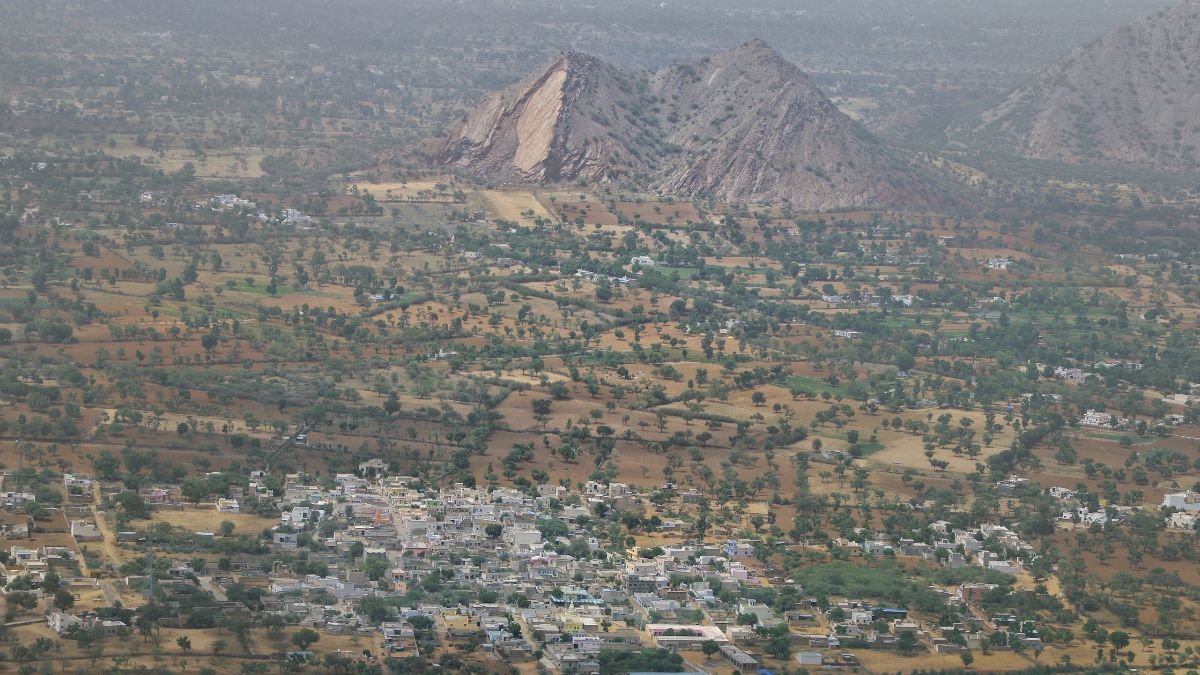
The Aravalli Range acts as a natural barrier that slows the spread of desert sands from the Thar Desert. Vegetation in the hills reduces soil erosion and supports rainfall retention. Forest cover helps maintain ecological balance in nearby areas. The range also influences local wind patterns and rainfall distribution. Its presence protects fertile land from desertification.
Interesting Facts About the Oldest Mountain Range in India
Age of the Aravalli Range
The Aravalli Range is estimated to be 1.5 to 2 billion years old, making it one of the oldest mountain ranges on Earth.
Highest Peak of the Aravalli
Guru Shikhar in Rajasthan is the highest peak of the Aravalli Range at about 1,722 meters above sea level.
Natural Barrier Against the Thar Desert
The Aravalli hills act as a natural barrier, slowing the spread of the Thar Desert toward eastern fertile regions.
Mineral-Rich Mountain Range
Important minerals such as copper, zinc, lead, and marble are widely found in the Aravalli region.
Rivers Originating from the Aravalli
Rivers such as the Luni, Sabarmati, and Banas originate from the Aravalli hills and support agriculture in nearby regions.
Read more: Which is the Largest Island in Asia?



-1777456367347_t.webp)