Key Points
- India is the largest producer and consumer of pulses globally.
- Diverse climate & soil support wide variety of pulses like chickpea & lentil.
- Pulses improve soil fertility and are vital for vegetarian diets.
Pulses are one of the most important food crops in the world due to their high protein content and role in food security. They are a staple in many diets, especially in developing countries. Among all nations, one country dominates global pulse production by a wide margin.
Largest Producer of Pulses in the World
India is the largest producer of pulses in the world. The country contributes the highest share of global pulse output and plays a central role in both production and consumption. Pulses are a vital part of India’s agriculture and daily diet, making the country a global leader in this sector.
Why Is India the Largest Producer of Pulses?
India’s leadership in pulse production is due to its diverse agro-climatic conditions, large agricultural land area and long tradition of pulse cultivation. Pulses grow well in semi-arid regions and require less water, making them suitable for Indian farming systems.
Major Pulses Grown in India
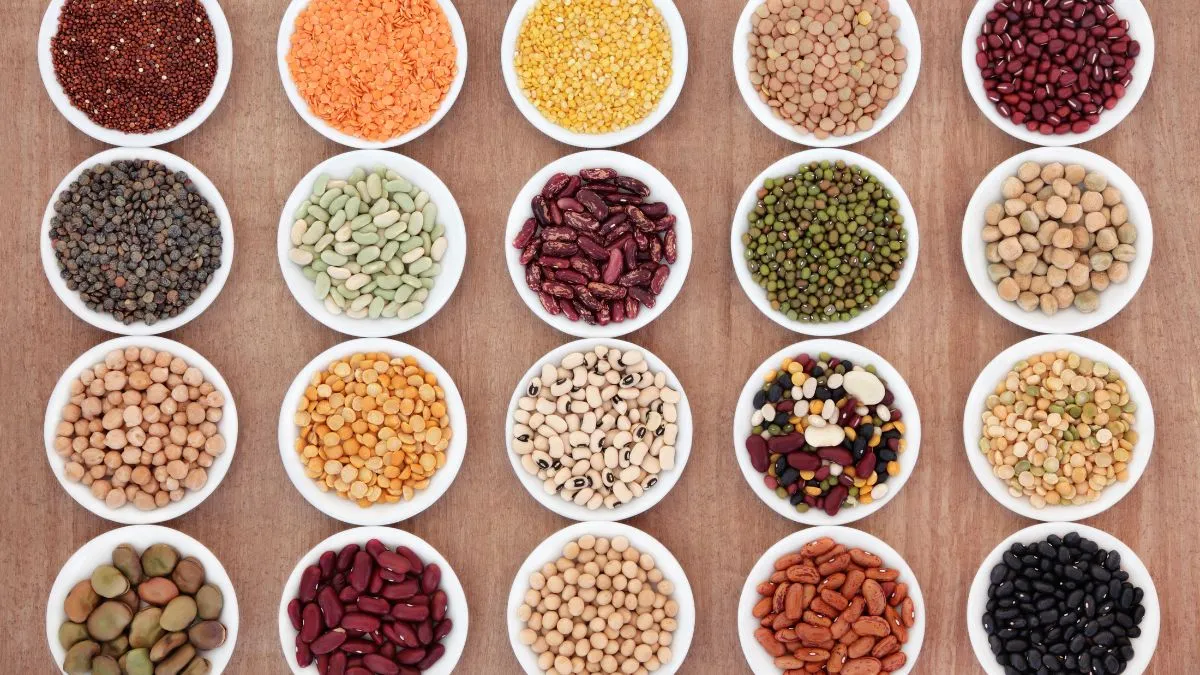
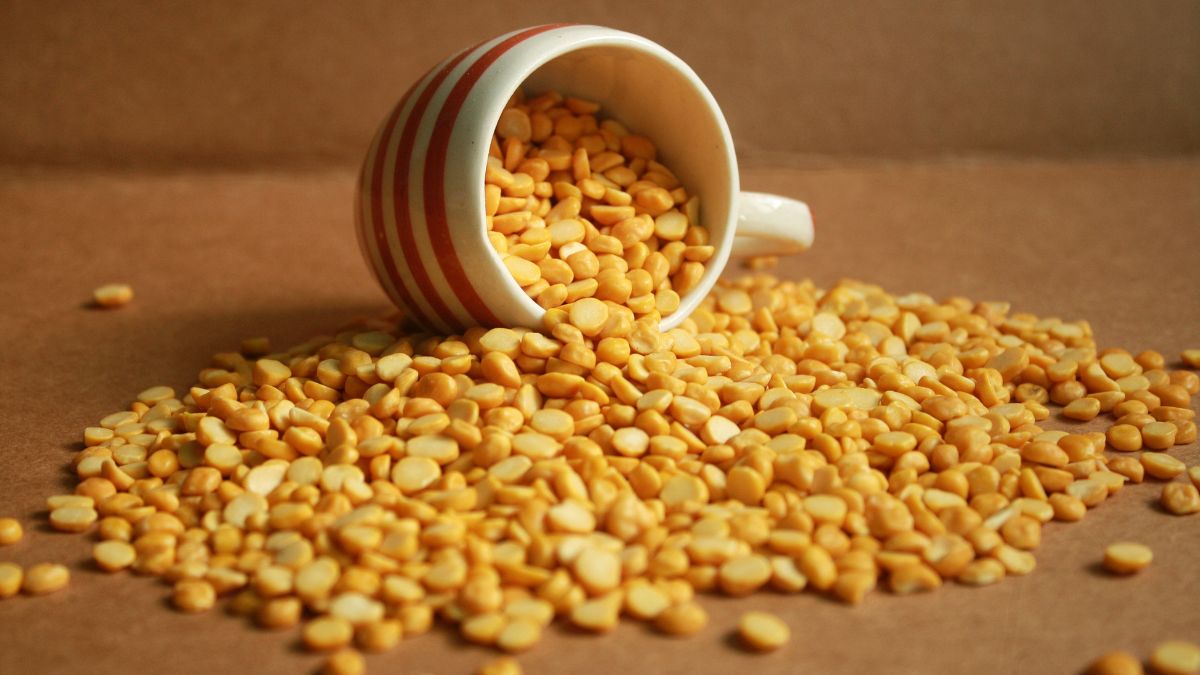
India produces a wide variety of pulses. Major crops include chickpea (gram), pigeon pea (arhar/tur), lentil (masoor), black gram (urad), green gram (moong), and field pea. This diversity strengthens India’s dominance in global pulse production.
Top Pulse-Producing States in India
Pulse production in India is concentrated in states such as Madhya Pradesh, Rajasthan, Maharashtra, Uttar Pradesh, Karnataka and Telangana. These regions provide suitable soil and climate conditions for large-scale pulse farming.
Climatic and Soil Advantages
Pulses require moderate rainfall, warm temperatures and well-drained soil. India’s monsoon-based climate and varied soil types support multiple pulse crops across different seasons, including kharif and rabi.
Nutritional Importance of Pulses
Pulses are rich in protein, fibre, iron and essential minerals. In India, where a large population follows a vegetarian diet, pulses are the primary source of plant-based protein and an essential component of food security.
Interesting Facts About Pulse Production
Protein Backbone of Vegetarian Diets
Pulses are often called the “poor man’s meat” because they provide affordable protein to millions of people worldwide.
Low Water Requirement Crop
Compared to cereals like rice and wheat, pulses require significantly less water, making them climate-friendly crops.
Soil Health Improvers
Pulse crops naturally enrich soil fertility by fixing atmospheric nitrogen, improving yields of subsequent crops.
Ancient Cultivation History
Pulses have been cultivated in India for thousands of years and are deeply rooted in traditional diets and farming practices.
Global Food Security Role
Pulses are essential for achieving global nutrition and sustainable agriculture goals due to their high nutrition and low environmental impact.
Read more: Which Country Is the Largest Producer of Sweet Potato?
India is the largest producer of pulses in the world due to its favourable climate, diverse cropping systems and strong domestic demand. Pulses are vital for nutrition, sustainable farming and food security, making India a central pillar in the global pulse economy. Keep reading for more such topics.



-1770969441292.png)

Comments
All Comments (0)
Join the conversation