West Bengal to Include Syama Prasad Mookerjee and Swami Pranabananda in School Curriculum


West Bengal Syllabus: The West Bengal government announced plans to incorporate the contributions of Dr. Syama Prasad Mookerjee and Swami Pranabananda into state-run school syllabi. The update focuses on their leadership during the 1947 Partition and West Bengal's creation. Additionally, a ₹300 crore infrastructure grant was approved for state-aided schools.
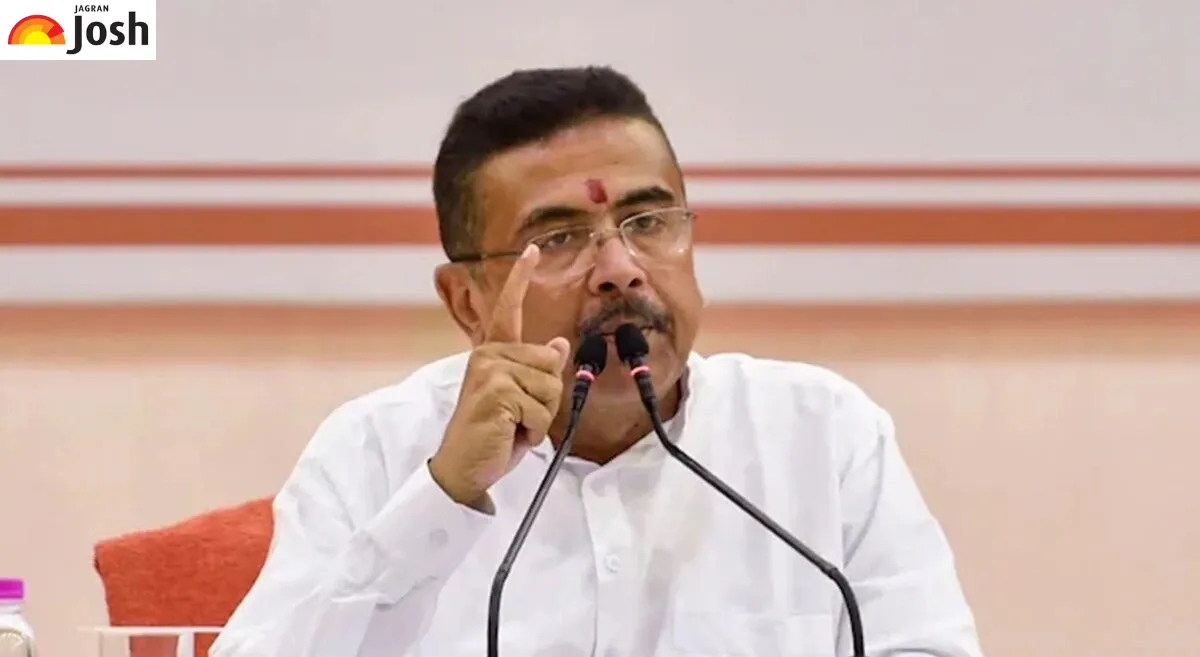
West Bengal Syllabus: The West Bengal government plans to include the history, achievements, and legacy of Dr. Syama Prasad Mookerjee, who was the founder of Bharatiya Jana Sangh, and Swami Pranabananda, who is the founder of Bharat Sevashram Sangha, into the syllabus of state-run schools. It will help in enlightening students about the important role that these two individuals played in shaping West Bengal, specifically their leadership qualities, their humanitarianism, and their intervention during the Partition of India.
In this way, students will learn about how Dr. Syama Prasad Mookerjee contributed to education, politics, and protection of Bengali interests during the time of transition of 1947 and how Swami Pranabananda made use of his social service and spirituality through the Bharat Sevashram Sangha in the same period of time. This educational move is part of the overall review of curriculum and it intends to present a complete history of the creation of the state along with its cultural identity and also raise historical awareness among young generation. Along with the revision of syllabus, the government also announced a composite infrastructure grant of ₹300 crore for the state aided schools.
Syllabus Revision: Key Highlights
Below are the key highlights related to the key highlights of the revised syllabus:
| Parameter | Details |
| State | West Bengal |
| Subject Area | State School Education Curriculum (History & Social Sciences) |
| Key Personalities Included | Dr. Syama Prasad Mookerjee & Swami Pranabananda |
| Core Historical Focus | Role in West Bengal's creation, Partition history, social welfare, and nationalistic thought |
| Accompanying Policy Moves | ₹300 crore infrastructure composite grant for state-aided schools, mandatory Vande Mataram, and rollout of Atal Tinkering Labs |
Key Objectives of the Inclusion
-
Historical Representation: Include representation of the political involvement, educational initiatives, and contribution to the formation of West Bengal by Dr. Syama Prasad Mookerjee in the Partition of India in 1947.
-
Social & Spiritual Legacy: Bring into focus the humanitarian work and social initiatives undertaken by Swami Pranabananda through Bharat Sevashram Sangha.
-
Curriculum Reformation: Update state syllabi in light of larger historical narratives along with improvements to school infrastructure and implementation of NEP.
Siddhi Sharma is an education journalist at Jagran Josh. A Journalism and Mass Communication graduate from IP University, she brings sharp newsroom instincts developed during her previous stint at Zee News. At Jagran Josh, Siddhi specializes in decoding the educational updates. Her coverage is highly exam-centric, ranging from curated news blogs for competitive exams to crucial school board and university news. Combining her strong media foundations with a research-driven approach, she creates reliable, high-utility content that helps students and aspirants stay ahead of the curve. Her writing is factual, engaging, and tailored to meet the fast-paced needs of modern learners and exam aspirants.


