Which River Is Known As The Lifeline Of Arunachal Pradesh?
Originating in the glaciers of the Himalayan region, this essential river flows through deep mountain gorges into northeastern India. Serving as the region's agricultural and hydroelectric foundation, it carved one of the world's deepest canyons before nurturing lush valley ecosystems.
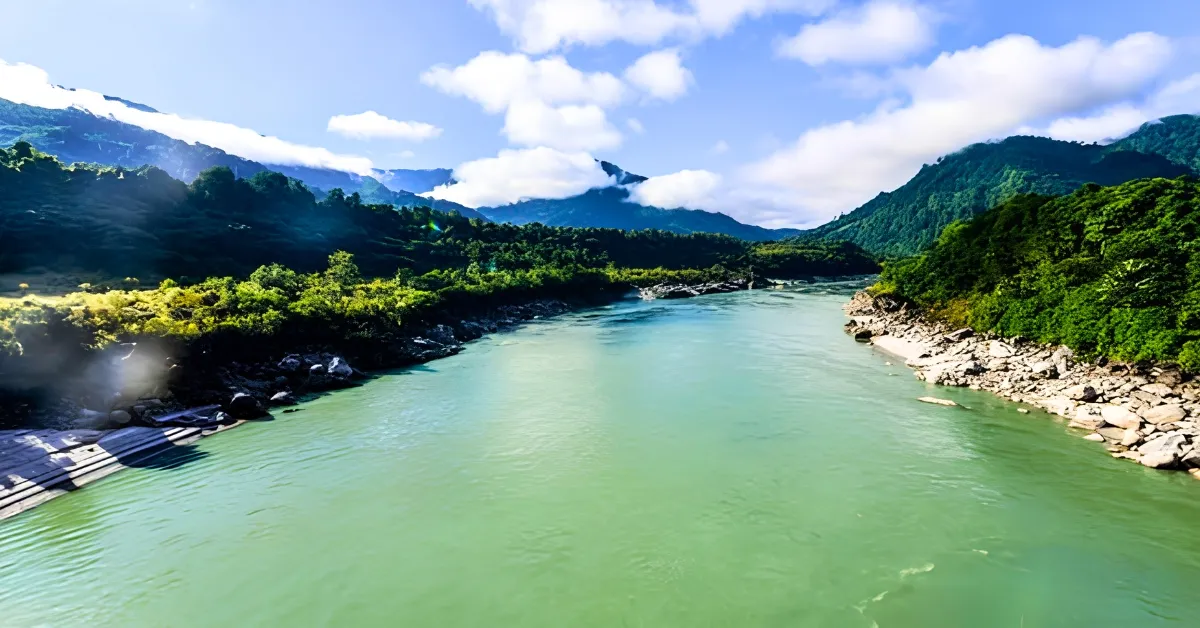
Arunachal Pradesh is a beautiful state in the far northeastern region of India. The capital city of this state is Itanagar. This state is bordered on its home front by Assam and Nagaland, while the international border includes Bhutan, China, and Myanmar. Arunachal Pradesh covers a geographical spread of 83,743 sq km. There are five major river valleys and a number of small mountain rivers that flow through the green hills of the land. However, have you ever wondered which of these rivers is considered the ultimate lifeline of Arunachal Pradesh? This article discusses that very question and many interesting facts about it.
Which River Is Known As The Lifeline Of Arunachal Pradesh?
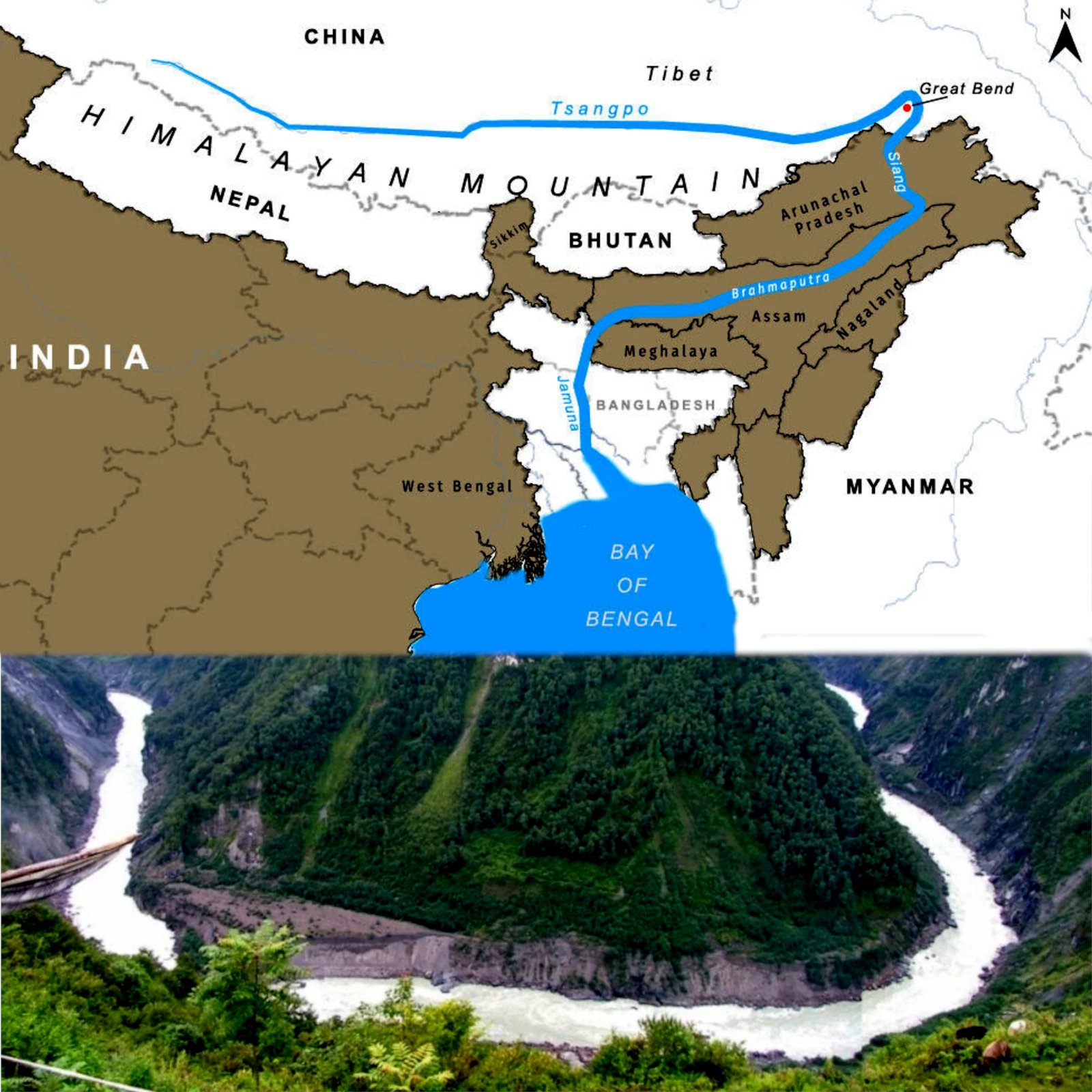
The Siang River (also called Dihang or Brahmaputra) is famously referred to as the lifeline of Arunachal Pradesh. The river is considered to be the strongest and most significant river system in the whole of Arunachal Pradesh. The reason behind it being called the lifeline is that it gives water to drink, aids in agriculture, provides a good fish stock, and affects the indigenous tribes living there.
Where Does the River Start?
The river flows from the Tibetan Plateau from the glacier of Chemayungdung in Mount Kailash. The elevation from where the river begins is very high and measures up to 5,150 meters above sea level. In Tibet, the huge river is known as Yarlung Tsangpo.
Where Does It Flow and End?
The river runs from west to east in Tibet through a distance of almost 1,625 kilometres. After that, the river changes its course to run in the southern direction and finally comes out to India through Gelling in the Upper Siang district of Arunachal Pradesh.
The river passes through some important districts, such as Upper Siang, Siang, and East Siang. In Arunachal Pradesh, the river covers around 230 kilometres of distance through valleys and canyons.
What Are Its Major Tributaries?
Siang River is fed by many tributaries originating from the mountains throughout its course. The tributaries include: Yangsang Chu, Siyom River, Yamne River, and Simang River.
All these tributaries make up a huge watershed system with an area of more than 30,000 square kilometres in the eastern Himalayas. It makes up a big part of the total area of Arunachal Pradesh.
How Does the River Support Arunachal Pradesh?
- Livelihood for Tribes: The indigenous groups, such as Adi, Memba, and Khamba, depend entirely upon the river for agricultural purposes, fishing, and traditional transportation along the river.
- Biodiversity Hotspot: The river is a globally recognised biodiversity hotspot. It is responsible for nourishing dense forests, which in turn have become a sanctuary for rare flora and fauna.
- Water and Hydroelectric Power: The river serves as a source of potable water for villages located along the river, such as Pasighat. It also has immense possibilities of generating electricity.
Which River Is Known As Siang In Arunachal Pradesh?
The Brahmaputra River gets the name of Siang once it crosses into India via Arunachal Pradesh. In Tibet, prior to crossing into India, the river is referred to as Yarlung Tsangpo. The local tribals in Arunachal Pradesh, particularly the Adi tribe, have referred to the river by the name Siang for several centuries. However, the river only gets the name Brahmaputra after meeting the Lohit and Dibang Rivers in the Assam plains.
What Is The Longest River In Arunachal Pradesh?
Siang is the longest and largest river in Arunachal Pradesh. The total length of the river covered within the state territories is more than 230 km before flowing into the neighbouring state of Assam. However, the Subansiri, Kameng, Dibang, and Lohit rivers are also long rivers in Arunachal Pradesh, but the river Siang has the highest flow of water and passes through several hill districts of Arunachal Pradesh from north to south.
What Is The Name Of The River Siang In Arunachal Pradesh?
It is well known that the river Siang is also named the Dihang River in Arunachal Pradesh. In reality, Dihang is the other name of the river Siang, and both are used interchangeably by the government in their official documents, maps, and legal texts to denote the main river passing through the Great Himalayas up to Mount Namcha Barwa.
Conclusion
The Siang River is undoubtedly the real heart of Arunachal Pradesh. The Siang River nurtures fertile valleys, keeps alive the age-old traditions of tribes living there, and ensures that the abundant wildlife in the eastern Himalayan region flourishes.
The Siang River defines the entire identity of the state from the time it starts from the snowy peaks of Tibet till it joins its waters in the plains. The protection of its ecology and natural flow is vital for the sustainable development of the state.

Kriti Barua is a skilled digital journalist and communications professional with 4+ years of experience, currently writing for the General Knowledge section at Jagran New Media. She has established herself as a subject matter expert in History, Geography, Trending National and International News, Sports, Science, and Defence, producing clear, reliable, and search-optimised content that connects with readers worldwide.
Kriti holds a BA degree from Delhi University and a one-year diploma in TV Production and Journalism, an academic background that adds research depth and strong storytelling instincts to her writing. Her experience spans brand writing, content marketing, and digital media, giving her a sharp understanding of what makes content both helpful to readers and visible in search.
At Jagran New Media, she applies this expertise to national and international news coverage, query-based articles, and in-depth pieces across her specialist subject areas. Her content is defined by easy language, factual accuracy, strong keyword strategy, and reader-friendly storytelling.


![[लाइव] UPTET Result 2026: इंतजार खत्म! यूपी टेट रिजल्ट upessc.up.gov.in पर होगा घोषित, कैंडिडेट्स ऐसे कर सकेंगे चेक](https://img.jagranjosh.com/images/2026/August/782026/up-tet-result.jpg)