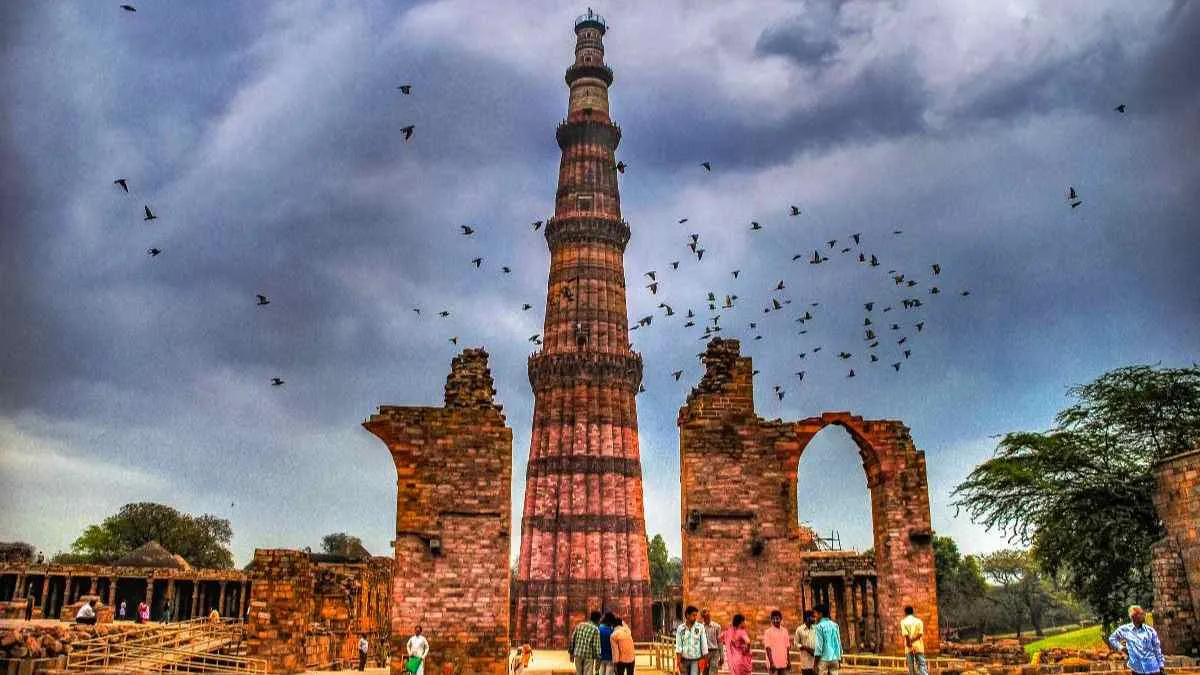
Key Points
- Built in 1192 CE by Qutb-ud-din Aibak, founder of Muslim rule in India.
- Completed and enlarged by Iltutmish, marking a new era in India's history.
- UNESCO World Heritage site, showcasing India's cultural heritage.
There are many historic monuments across India representing the architectural and cultural heritage of India. In Delhi, one of the most recognizable sites is a large minaret. Historian, tourists and students have marveled at this structure since its construction. It is an excellent example of Indo-Islamic architecture from the early period of this style.
The engravings, inscriptions and artistry are still very impressive. The construction of the monument was undertaken to signify the power of the Emperor who had begun to rule Delhi after implementing the Muslim religion and to show the relation between faith and architecture through the use of this minaret.
The construction of this monument is a reflection of the political and cultural environment in India during the early Medieval period of History.
Check Out: Which Emperor Built the Red Fort?
Which Emperor Built the Qutub Minar?
One of India's most famous monuments is the Qutub Minar.
It was built in 1192 CE by Qutb-ud-din Aibak, who was the first ruler of the Delhi Sultanate (the kingdom created by the Turks) and is also known as the founder of Muslim rule in India.
It was finished and enlarged by his successor Iltutmish, thus completing not only an architectural feat but also marking a new era in India's history as the starting point of a new dynasty.
What is Inside the Qutub Minar?

Source: Incredible India
1. Spiral Stairway
Inside the Qutub Minar tower’s 379 step spiral staircase is a narrow corridor to the top. In the past you could go up the stairs and out onto the balconies, but now they have been closed to the public for safety reasons.
2. Decorative Designs
The inside of the tower has many intricate designs carved into the bricks in Arabic/Nagari and some of these designs are verses from the Koran, detailing when the tower was built and by whom.
3. Little Windows and Openings
Each floor has small arched openings that provide light and air; in addition, they also allow you to see other parts of the Qutub complex.
4. Structural Support
Thick tapering wall system to provide for both vertical support of the tower and reinforce against failures from seismic activity.
5.Historical Records in the Tower
The tower has a long history of having many inscriptions documenting the people who built the tower; kutubuddin Aibek and Iltutumish; and the dates of construction.
Conclusion
The Qutub Minar is currently a World Heritage site recognized by UNESCO, as well as being among the most popular tourist attractions in Delhi, due to its significant role within India's cultural heritage and its value from both historical and architectural standpoints.


-1770535903551.jpg)
-1770529509877.jpg)

Comments
All Comments (0)
Join the conversation