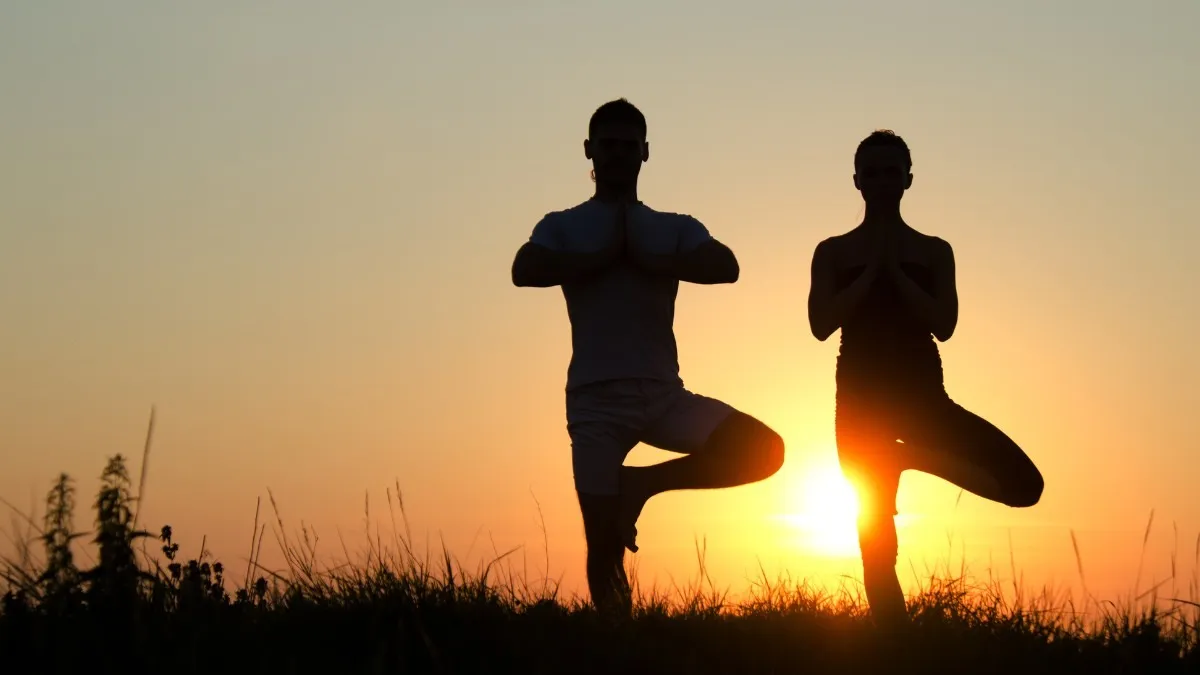
The origin of yoga has been a mystery for many people since we practice yoga as a form of exercise, relaxation, and healthy living in the contemporary world. However, have you ever considered the origin of yoga?
Yoga can trace its history back thousands of years, before the existence of modern lifestyle and gyms. According to historians, yoga can trace its roots in Indian civilization, which makes yoga one of the oldest forms of human activity.
Yoga was discovered by researchers during their excavations in the Indus Valley civilization, where some seals depicting individuals in yoga postures were found.
Yoga was discussed in several ancient documents, such as the Vedas, which contain spiritual and philosophical teachings about meditation and attaining peace of mind.
Yoga is more than an exercise; yoga is a way of life that connects one's body, mind, and soul together.
Check Out: Which State is the Largest Producer of Cotton in the U.S.?
Where did Yoga Originate From?
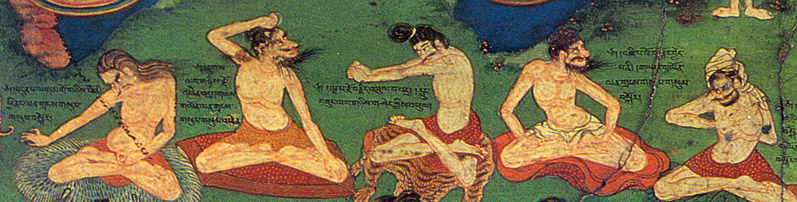
The history of Yoga dates back more than 5,000 years to Ancient India.
Yoga has been witnessed in the Indus Valley civilization, where the practitioners used yoga poses in meditation, which have been illustrated on their seals.
Yoga was later modified from the Vedas and Upanishads, both emphasizing self-realization and inner peace.
Eventually, yoga was recorded in a systematic manner by the sage known as Patanjali. Starting with spiritual enhancement, yoga finally ended up balancing the mind, body, and soul.
The Evolution of Yoga
Yoga finds its origin in ancient India about 5000 years ago. In the remnants of the Indus Valley Civilization, it has been discovered that there were seals with depictions of people practicing meditation, thereby indicating that yoga existed even in those times.
With time, yoga became an organized system and found mention in the Vedas, followed by the Upanishads that spoke about spirituality, self-enlightenment, and the relation between mind and body.
One example of this would be the Yoga Sutras written by the great sage Patanjali.
Initially, yoga was not merely a physical exercise; rather, it was a spiritual experience where one aimed at finding inner peace and self-discipline.
Although yoga has now become popular in many parts of the world, its history dates back to ancient India.
How Did Yoga Spread Around the World?
The origin of Yoga can be traced to India, but over time, it has been embraced all over the globe. Yoga was introduced in Western countries during the late nineteenth century and early twentieth century by the efforts of many Indian yogis such as Swami Vivekananda. The contribution of Swami Vivekananda to global interest in yoga cannot be overlooked.
In addition to him, there were many other gurus and yogis who took Yoga to Europe and America, making it popular as physical exercise.
Conclusion
Yoga is not only a form of physical exercise but also a lifestyle practice of mind, body, and spirit. Over time, yoga has evolved without compromising its fundamental principles.
There are several benefits of practicing yoga that helps us lead a more holistic life. Yoga can be practiced easily in today’s modern world because of its ability to bring peace of mind and minimize stress.