Key Points
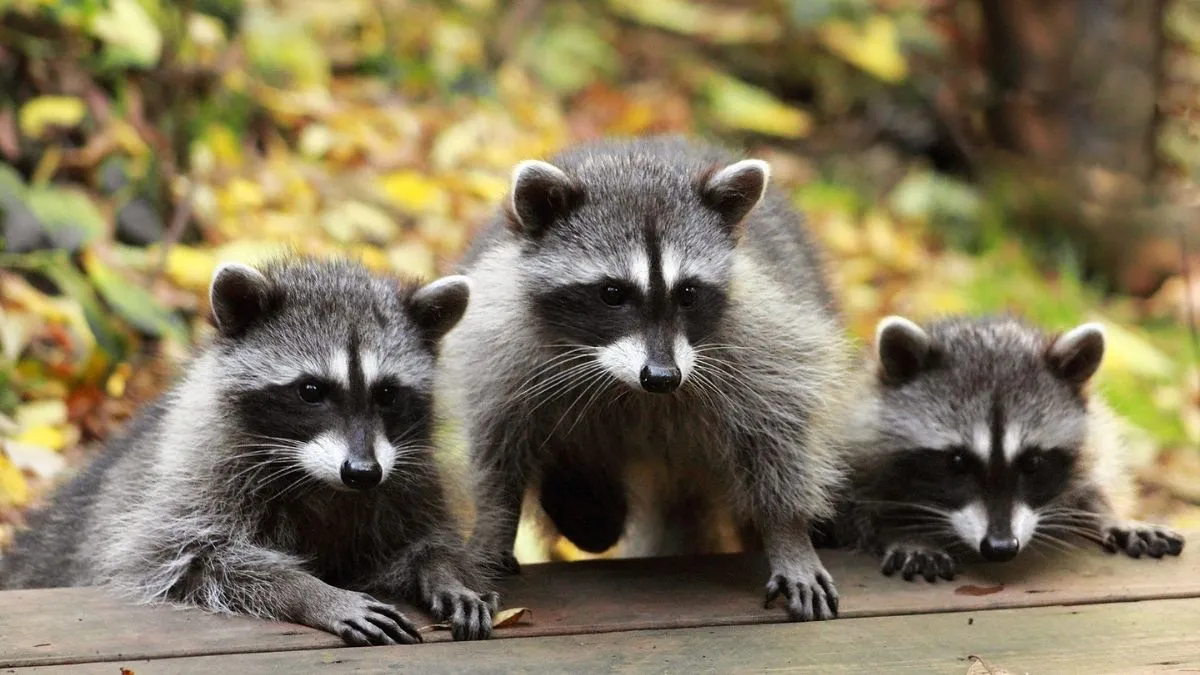
- A group of raccoons can be called a gaze, nursery, mask, smack, or committee.
- Dec 2025 study shows urban raccoons are more social due to food abundance.
- Raccoons are adapting to urban life through social learning and teamwork.
What is a group of raccoons called in English? When you're walking through a quiet neighborhood at midnight, only to find a dozen masked faces peering from a backyard tree. In the world of wildlife trivia, this sight has a surprisingly poetic name. While individual raccoons are known as trash pandas in internet culture, their group behavior is a subject of growing scientific interest in 2025.
New research from the University of Toronto, released this December, suggests that urban raccoons are becoming more social due to abundant food sources, leading to larger-than-normal gatherings. Knowing what a group of raccoons is called, therefore, helps decode the complex social life of these clever, ring-tailed neighbors who are rapidly adapting to our human world.
What is a Group of Raccoons Called in English?
The English language offers several terms for a group of raccoon sightings, ranging from the formal to the descriptive. While these animals are typically solitary, they do congregate, and linguists have categorized their gatherings based on their behavior or physical traits.
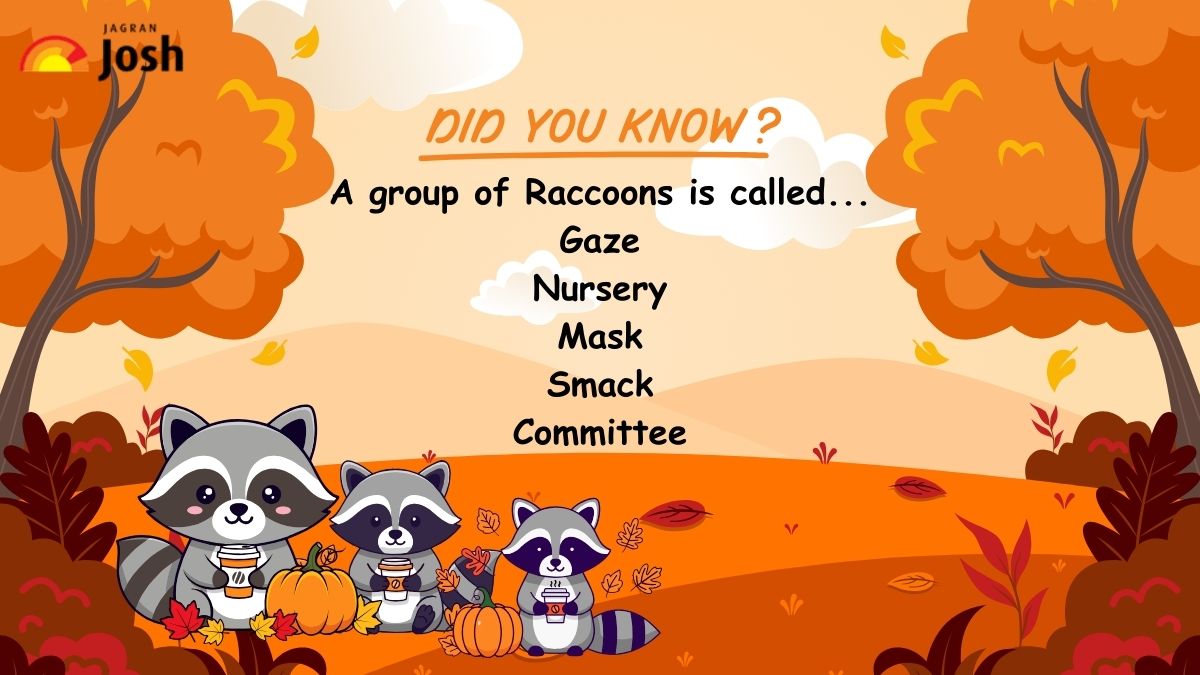
| Collective Noun of Raccoons | Usage | Origin |
| Gaze | Most Common/Formal | Refers to their intense, unwavering stare. |
| Nursery | Family Unit | A mother raccoon and her young kits. |
| Mask | Descriptive | Derived from the black "bandit" fur around their eyes. |
| Smack | Less Common | An older, regional term used in wildlife literature. |
| Committee | Social/Urban | Used when they appear to be deliberating over food. |
Why a Group of Raccoons is Called a Gaze
The term gaze is deeply rooted in the physical behavior of the animal. Raccoons are known for their unwavering, intense stare when they encounter humans or potential threats. This gaze isn't just a sign of curiosity; it's a well-thought-out judgment by a very smart mammal.
Historically, the term goes back to the time of the colonies, when people saw groups stop and watch from the shadows. Modern wildlife experts think that this group gazing is a survival strategy that helps the group process what they see and plan how to get to or away from a food source.
Check Out - What is a Group of Ravens Called?
What is a Group of Baby Raccoons Called?
When it involves a mother and her offspring, a group of raccoons is specifically called a nursery. Baby raccoons themselves are known as kits or cubs. A typical nursery consists of a protective mother and three to five kits. During the first few months of life, these kits are entirely dependent on the nursery unit for warmth and protection.
According to Wildlife Rescue League data, these groups are most visible during the spring and summer months. The term nursery perfectly captures the high level of maternal care and social learning that takes place as kits learn to forage and climb.
Also Read - What is the Scientific Name of a Cat?
What is the Nature of Raccoons as a group?
Recent 2025 findings suggest the nature of a group of raccoon sightings is shifting from accidental meetings to intentional social structures.
-
Gender-Specific Coalitions: Research shows that unrelated adult males often form stable bachelor pads of 3-4 individuals to defend territory against rivals.
-
Urban Socialization: A study from December 2025 found that urban raccoons' snouts are 3.56% shorter, which is a sign that they are calmer and tolerant of other people, which is necessary for living in high-density city gazes.
-
Information Sharing: City raccoons have been seen using social learning, which is when one raccoon watches another solve a puzzle (like a locked bin) and then does the same thing. This is different from rural loners.
-
The Domestication Syndrome: Their fight-or-flight response is lessened because they live close to people. This leads to more peaceful interactions within their groups compared to their aggressive wild counterparts.
-
Matriarchal Ties: Related females often form the most stable groups because they stay together all year to protect nurseries and share resources.
Also Read - What is a Group of Rats Called?
The evolution of the raccoon's gaze, from the forest to the city, shows a species that is not just surviving, but thriving through teamwork. As their faces and behaviors change to match our urban lifestyle, they remain a fascinating example of nature’s adaptability.






Comments
All Comments (0)
Join the conversation