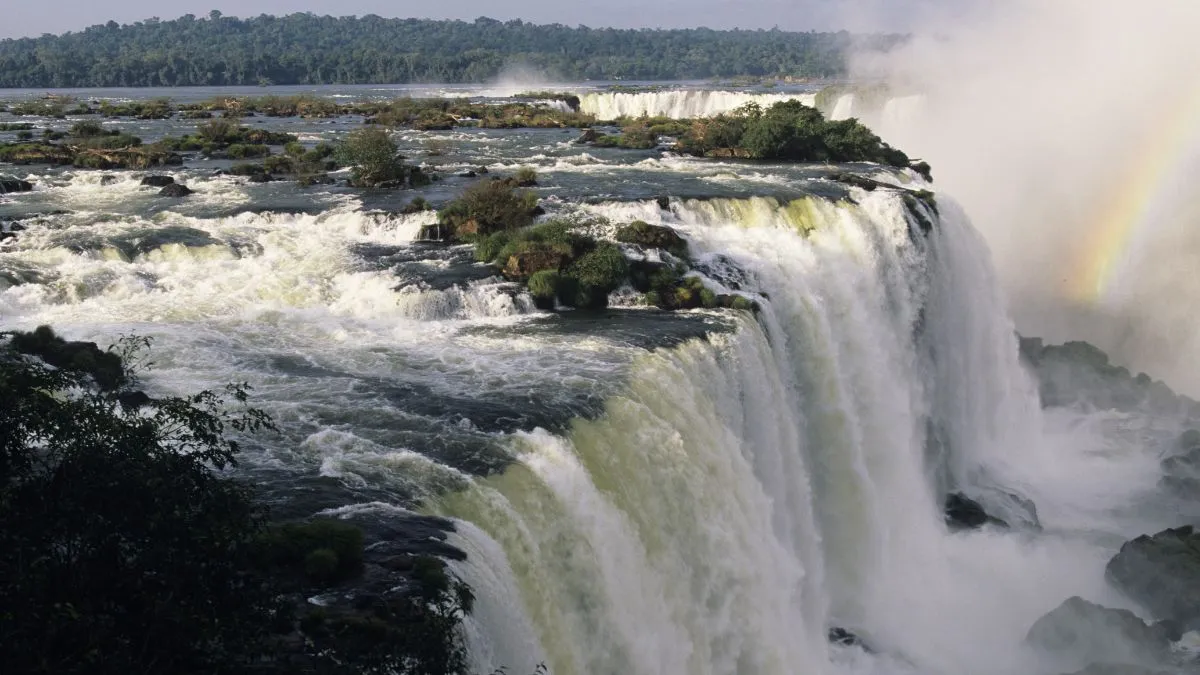
Iguazu Falls is one of the most spectacular waterfalls in the world, straddling the border of Argentina and Brazil. Known for its incredible width, cascading water, and breathtaking natural surroundings, Iguazu Falls is both a global tourism hotspot and an ecological treasure. The waterfall is made up of hundreds of individual falls stretching over nearly 3 kilometres, creating one of the largest waterfall systems on the planet.
Waterfall on the border of two countries
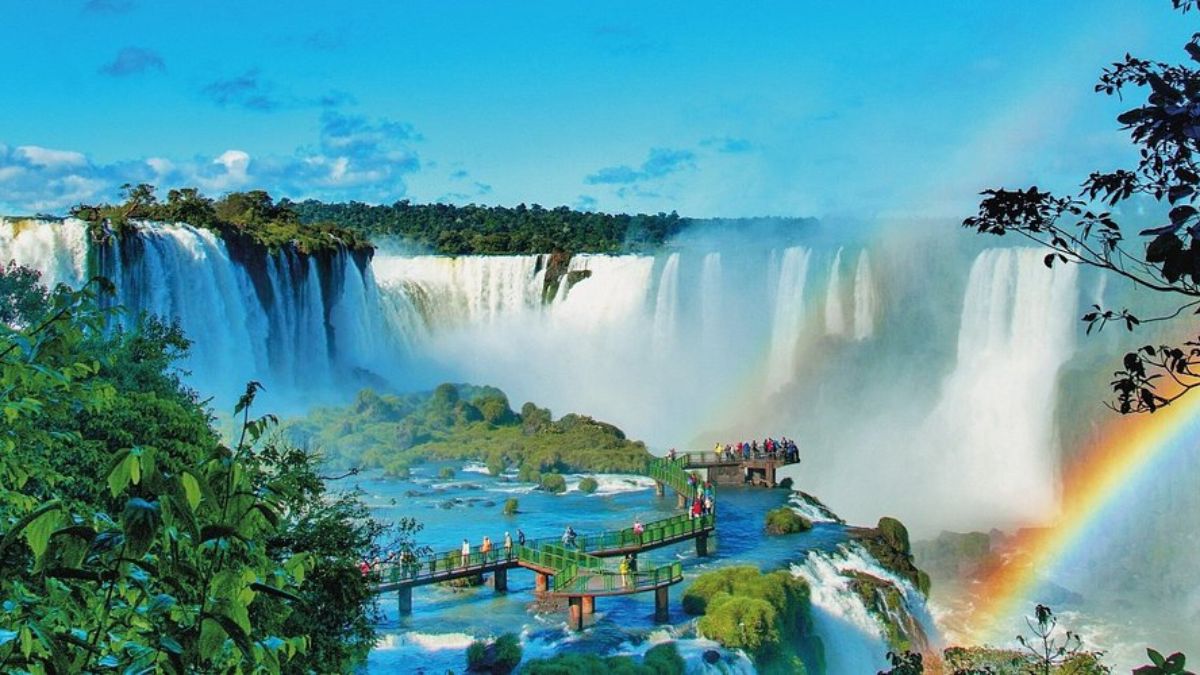
Iguazu Falls sits along the Iguazu River and forms the natural boundary between Argentina and Brazil. Locally called “Big Water” (Mbigua in Guarani), the falls are made up of approximately 275 individual cascades, creating thunderous water flow and mist that rises high into the sky. Both countries have developed national parks and observation decks to allow visitors to experience the falls from multiple perspectives. Iguazu Falls is also a UNESCO World Heritage Site, recognised for its natural beauty and ecological significance.
Why Is Iguazu Falls Called the Waterfall on the Border?
Iguazu Falls lies precisely on the Argentina-Brazil border, making it one of the most famous international waterfalls. Visitors can explore the falls from both countries, each offering unique vantage points. Argentina provides extensive walking trails through rainforest and closer access to the Devil’s Throat, the most dramatic section. Brazil offers panoramic viewpoints and aerial perspectives that showcase the full scale of the falls. Its cross-border location enhances its cultural, tourism and ecological significance, attracting millions of tourists every year.
Geographic Overview of Iguazu Falls
| Detail | Information |
| Waterfall Name | Iguazu Falls |
| River | Iguazu |
| Countries | Argentina, Brazil |
| Height | 82 metres (max) |
| Width | 2,700 metres |
| Number of Cascades | ~275 individual falls |
| World Heritage Status | UNESCO World Heritage Site |
| Nearby Cities | Puerto Iguazú (Argentina), Foz do Iguaçu (Brazil) |
Location and Accessibility
Iguazu Falls is located in South America, along the Iguazu River, approximately 1,300 km from Buenos Aires and 650 km from São Paulo. Both Argentina and Brazil have airports, roads, and hotels nearby, making it accessible for international and domestic tourists. Adventure activities, guided rainforest tours, and eco-tourism initiatives are available on both sides, creating diverse visitor experiences. The proximity to national parks allows wildlife lovers to combine waterfall visits with safari-style exploration of unique fauna and flora.
Tourism and Adventure Activities
Iguazu Falls attracts millions of visitors annually. Activities include boat rides that bring tourists close to cascading waters, helicopter tours for aerial views, wildlife spotting in surrounding rainforests, and walking trails along cliff edges. Argentina’s Devil’s Throat walkway gives a dramatic experience of roaring water, while Brazil’s panoramic viewpoint provides the perfect spot for photography. Eco-tourism, adventure tourism, and cultural experiences together contribute significantly to local economies and promote conservation awareness.
Largest Waterfall System in the World
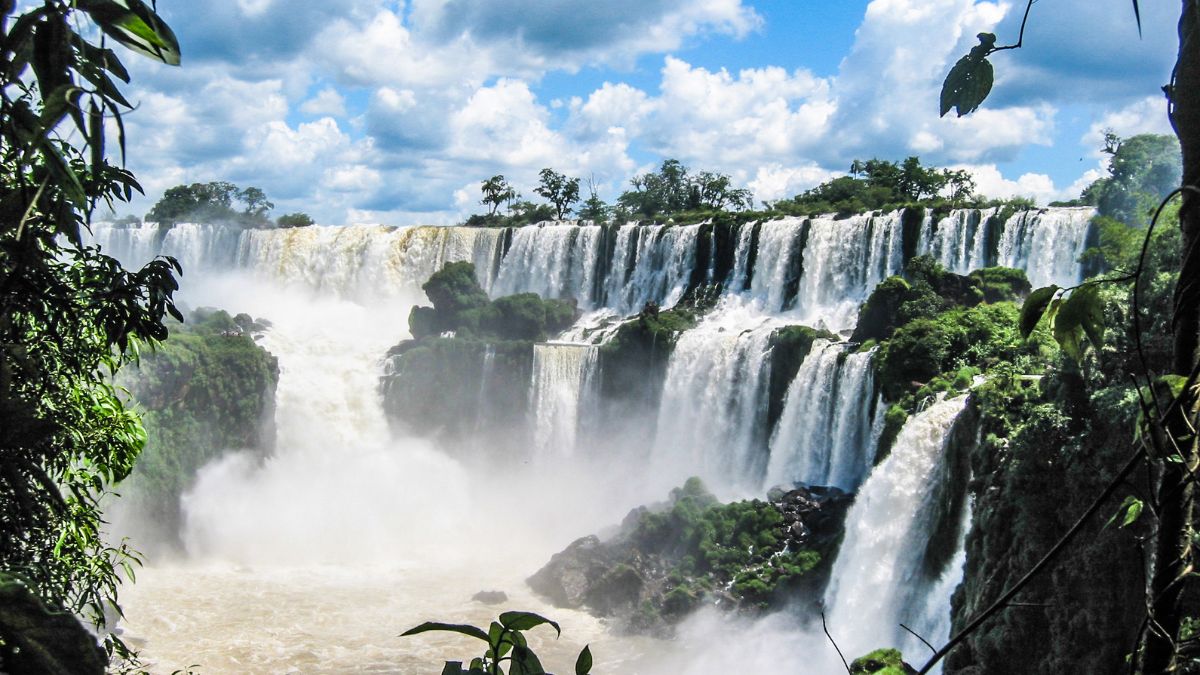
Iguazu Falls is recognized as one of the largest waterfall systems in the world, stretching over 2,700 metres in width and comprising approximately 275 separate falls. This immense system of cascading water makes it far wider than many other famous waterfalls, including Victoria Falls. The waterfall system creates a mist that nourishes the surrounding rainforest, forming a unique micro-ecosystem that supports rare plants and animals. Its scale, beauty, and power make it one of the most breathtaking natural wonders globally.
The Devil’s Throat
The Devil’s Throat is the most dramatic part of Iguazu Falls, a U-shaped cliff where water plunges 82 metres with a thunderous roar. The constant mist rises high into the air, creating rainbows and a mesmerizing spectacle visible from kilometres away. Visitors can access observation decks on both the Argentina and Brazil sides to witness this awe-inspiring natural phenomenon. The Devil’s Throat is not only a visual marvel but also an ecological zone that supports mosses, ferns, and many bird species.
Home to Rich Biodiversity
Iguazu Falls’ surrounding rainforest is home to rare and diverse species including jaguars, giant anteaters, howler monkeys, toucans, and over 2,000 plant species. The constant mist and tropical climate create ideal conditions for flora and fauna to thrive. The national parks on both sides of the border protect this biodiversity, making Iguazu Falls an essential conservation area and a key destination for eco-tourism.
Adventure and Eco-Tourism Hub
Iguazu Falls is famous for adventure activities including boat rides under the falls, helicopter flights, zip-lining, rainforest trekking, and guided wildlife tours. The area combines eco-tourism with cultural experiences, allowing tourists to explore indigenous Guarani communities, learn local traditions, and enjoy sustainable tourism. Adventure and nature-based tourism contribute significantly to local economies in both Argentina and Brazil.
Read more:Which Ocean Has the Maximum Number of Islands?
Iguazu Falls is the waterfall that lies on the Argentina–Brazil border, renowned for its enormous width, breathtaking beauty, rich biodiversity, and adventure tourism opportunities. Its cross-border location enhances its global appeal, making it one of the most spectacular waterfalls in the world. Keep reading for more such topics.




Comments
All Comments (0)
Join the conversation