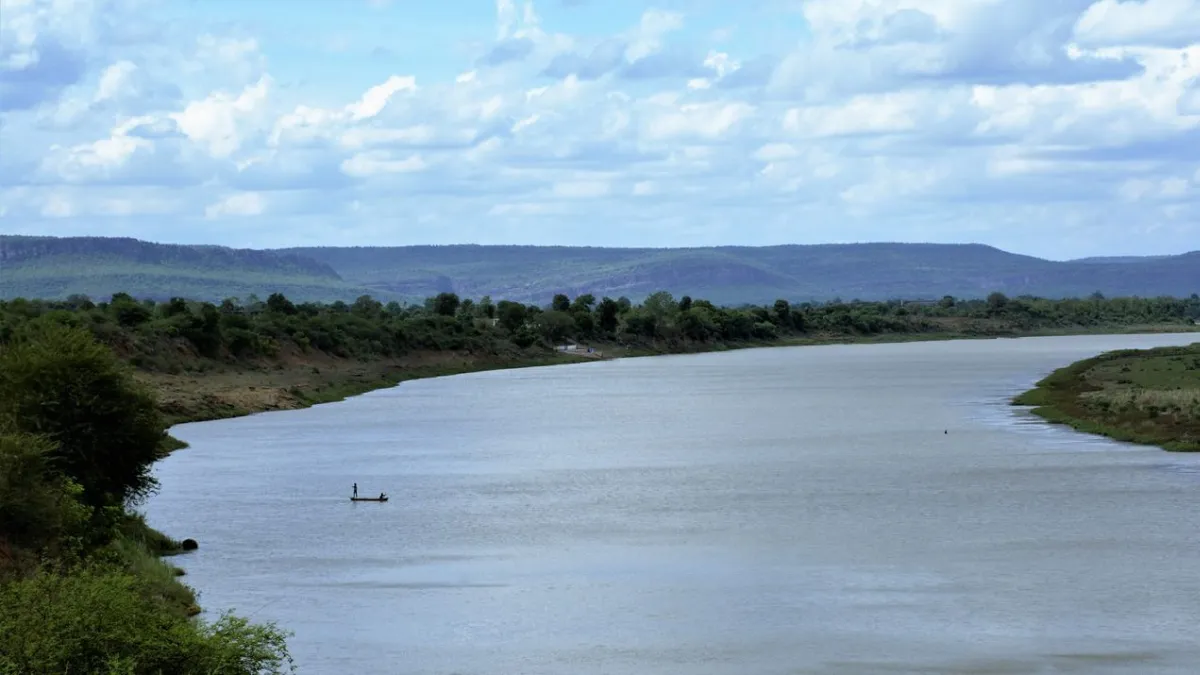
Narmada Bachao Andolan formed in 1985. It brought together displaced tribes, farmers, and activists from Madhya Pradesh, Maharashtra, and Gujarat. They protested the Narmada Valley Development Project's 30 major dams, especially the Sardar Sarovar.
Their slogan was "Koi nahi hatega, bandh nahi banega!" which means "We won't move, the dam won't be built!". This movement was led by Medha Patkar. This nonviolent movement highlighted issues with rehabilitation and ecological damage. It led to the World Bank pulling out and changed India's dam policies.
How did the Narmada Bachao Andolan Start?
The crisis began with the Sardar Sarovar proposals in 1961 at Navagam, Gujarat. It escalated in 1969 when the Narmada Water Disputes Tribunal assigned water shares. The required resettlement plans were largely ignored by the 1980s.

Source: Narmada District
As the flooding threatened Jhabua and Dhar villages without alternatives, early groups like Narmada Dharangrast Samiti joined NBA. The World Bank's $450 million loan for the project drew attention to the Adivasi’s reliance on riverine forests.
Evolution of the Narmada Bachao Andolan
The movement gained traction with the 1989 Manibeli rally, which highlighted tribal struggles. Key events included a five-day sit-in in Delhi in 1990 with 2,000 participants at the Prime Minister's residence, the Narmada Yatra's 100-kilometer march, and Baba Amte's 22-day fast in 1991.

Source: The Economist
Patkar's annual hunger strikes at Gandhi Setu peaked in 1993 when the Morse Commission exposed issues leading to the World Bank's exit. Work on the project paused from 1994 to 1999 despite stays from the Supreme Court.
What were the Challenges Faced in Narmada Bachao Andolan?
Gandhian principles guided the NBA. Their tactics included jal samadhi (wading into rising waters), forming human chains, and using folk theater.
Medha Patkar famously stated, "We will drown but not move!" in the face of police violence and over 100 arrests. Legal successes led to catchment restoration in 1994.
The NBA faced challenges from Gujarat's irrigation interests, and critics pointed to stalled benefits for 20 million drought-prone farmers.
Achievements & Criticisms of the Movement
World Bank Press Release dated March 30, 1993: "Announcement of Indian Government Cancels World Bank Loan for Sardar Sarovar (Narmada) Project". The movement's successes included the World Bank's defunding in 1993 and a revised resettlement policy that relocated 40,000 families, though this figure is disputed.
Environmental impact assessment norms also became stronger. On the other hand, the Sardar Sarovar Project reached a height of 138 meters by its inauguration in 2017, while Gujarat’s Narmada canal benefited millions.
Meanwhile, those displaced in Madhya Pradesh claimed cash-for-land scams according to a 2019 CAG Report (No. 1). The NBA established legal principles for "development victims," contributing to the Forest Rights Act in 2006 and exposing corruption through the RTI.
Protests continue against the full-height gates in light of potential floods in 2026. Patkar's 1992 Right to Livelihood award highlights ongoing debates as new projects under Adani renew concerns about displacement.
Check Out: List of Top 10 Famous International Organizations in the World





Comments
All Comments (0)
Join the conversation