Meet Leopardus Tilcayo: How Scientists Identified the First New Cat Species in 100 Years
Biologists have formally identified Leopardus tilcayo, the first new living cat species described in over a century. Found in Bolivia's Yungas cloud forest, this tiny tiger cat redefines feline taxonomy and highlights hidden Neotropical biodiversity.
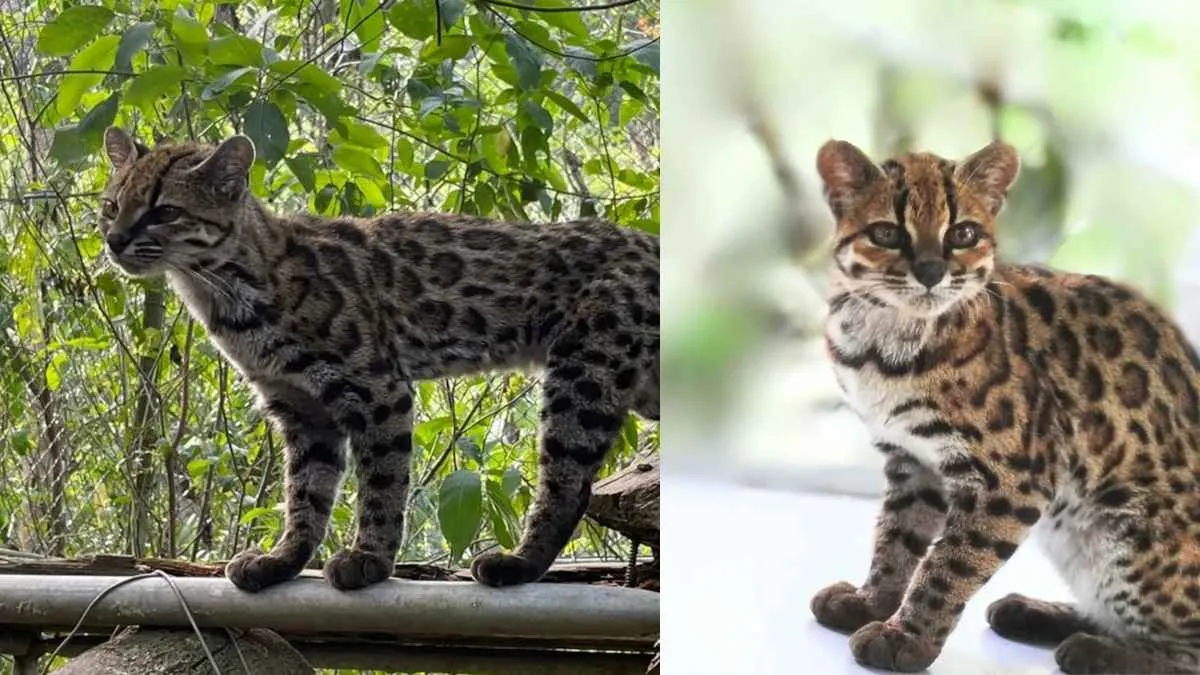
Researchers have confirmed the discovery of Leopardus tilcayo. A Leopardus tilcayo is new cat species living in Bolivia's Yungas cloud forest. This discovery marks the first time in over a century, since the Pampas cat in 1923, that scientists have formally named a new living feline species.
This rare tiger cat features light brown fur marked with distinct dark rosettes. Leopardus tilcayo is in fact lighter than average cat breeds.
A study published in Current Biology shows how dense mountain habitats still hide unknown wild cat species. And this article is all about the newly discovered cat species you should know about as a science trivia enthusiast.
How a Rescue Animal Revealed a New Cat Species in 100 years
The history of Leopardus tilcayo goes back about ten years, when one of the local inhabitants came across an orphaned kitten near Arapata in Bolivia, taking it to be a common stray, and feeding it rice, pasta, and eggs.
In 2017, the now grown-up kitten moved to the Senda Verde Wildlife Sanctuary.
Paola Nogales-Ascarrunz, the biologist who studied the cat breed, noticed some peculiarities from the very first time. That particular cat had round ears, a compressed face, and coat patterns not seen before in any wild species of cats.
Difference between New Cat and Domestic Cat Species
| Feature | Leopardus tilcayo | Domestic Cat |
| Average Weight | 3.3–4.4 lbs (1.5–2.0 kg) | 8–10 lbs (3.6–4.5 kg) |
| Coat Pattern | Light brown with large, open rosettes | Varied patterns across breeds |
| Native Habitat | Bolivian Yungas cloud forest | Homes worldwide |
New cat alert! A call from a wildlife sanctuary about a "weird cat" has led to the first new cat species discovered in over 100 years in Bolivia’s Yungas forest ecoregion. Learn more about this feline surprise: https://t.co/crffXvPqH4 pic.twitter.com/USo7rI3Y5q
— National Geographic (@NatGeo) September 17, 2026
Genetic Analysis Rewrites the Tiger Cat Family Tree
At first, scientists assumed that the cat species was merely a local variant of Leopardus tigrinus. However, pictures taken in 2019 demonstrated that their tails and spots were quite different.
Jonas Lescroart, a geneticist from the University of Antwerp, organised a study of DNA samples from 38 wild felines living in South America. Genetic research found that the last common ancestor of Leopardus tilcayo diverged from it about 1.4 million years ago.
"Showing the general public that even in a flagship group such as cats there are still new species to be discovered transmits an important message," noted study co-author Eduardo Eizirik in Current Biology.
What Makes The Cloud Forest Cat Breed Unique?
Leopardus tilcayo is half the size of most domestic cat breeds, as it weighs just 3.3 to 4.4 pounds. It has an 18-inch body, long whiskers, and a thin tail made for stepping through thick branches.
These cats live high up on foggy mountain slopes around 1,570 meters above sea level. Dropping samples show they hunt small rodents. Hidden trail cameras show they stay active mostly at night.
-
Distinct Markings: Bigger, wider-spaced dark spots than other wild tiger cats.
-
Compact Frame: A smaller, lighter body than almost all other wild felines.
The local name of this new cat species is tilcayo. The name has been used by local Bolivian communities for generations.
Conservation Challenges in Bolivia’s Threatened Ecosystems
The discovery of Leopardus tilcayo creates an obvious cause for conservationists to preserve Bolivia’s cloud forests. Before, there were times when all kinds of tiger cats were classified together, thus making it difficult to know which ones needed protection.
Currently, the mountain forests are under severe threat because of agricultural clearing and forest fires. The identification of Leopardus tilcayo makes it easier for scientists to identify protected zones.

Harshita Singh is an education and general knowledge journalist with over 5 years of experience in educational writing. Specializing in US affairs and GK, Harshita has a track record of breaking down intricate geopolitical and historical subjects into clear, digestible insights for learners. Her strong background in text analysis, coupled with a Bachelor of Arts (Hons) in English from the University of Delhi, helps her produce authoritative, thoroughly researched content that empowers readers to engage confidently with global current affairs. For inquiries or academic insights, you can reach out to her directly at harshita.singh@jagrannewmedia.com.




-1789719280605_t.webp)