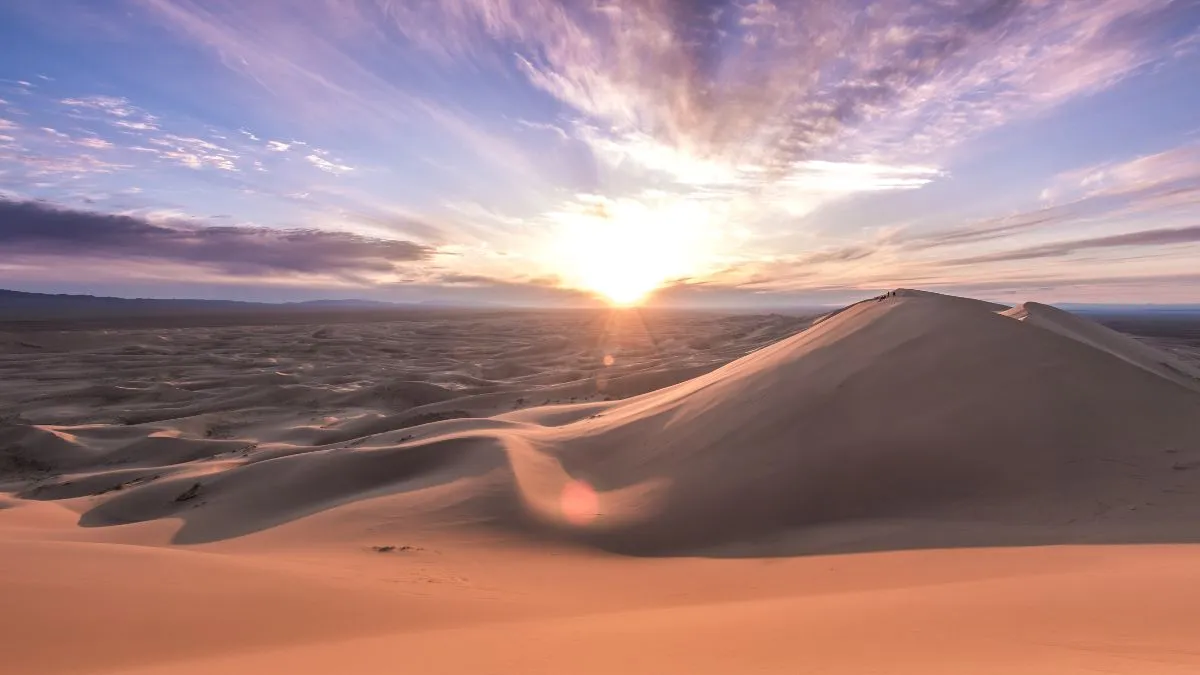
Deserts are dry regions that receive very little rainfall and experience extreme weather conditions. Asia is home to several deserts, but one stands out because of its massive size and unique climate. Unlike many deserts that are extremely hot, this desert experiences both hot summers and freezing winters. The largest desert in Asia plays an important role in shaping the geography and climate of the region.
Which Is the Largest Desert in Asia?
The largest desert in Asia is the Gobi Desert. It stretches across northern China and southern Mongolia, covering a vast area of land. The Gobi Desert is known for its rocky terrain, sand dunes, and dry climate. Unlike typical deserts, it experiences very cold winters and occasional snowfall. Its enormous size makes it one of the largest deserts in the world.
Where Is the Gobi Desert Located?
The Gobi Desert is located in East Asia, mainly covering parts of northern China and southern Mongolia. It lies between mountain ranges and plateaus that shape its climate. The desert region receives very little rainfall throughout the year. Strong winds often move sand across the landscape, creating changing landforms. Its location makes it one of the most well-known deserts in Asia.
Why Is the Gobi Desert Unique?
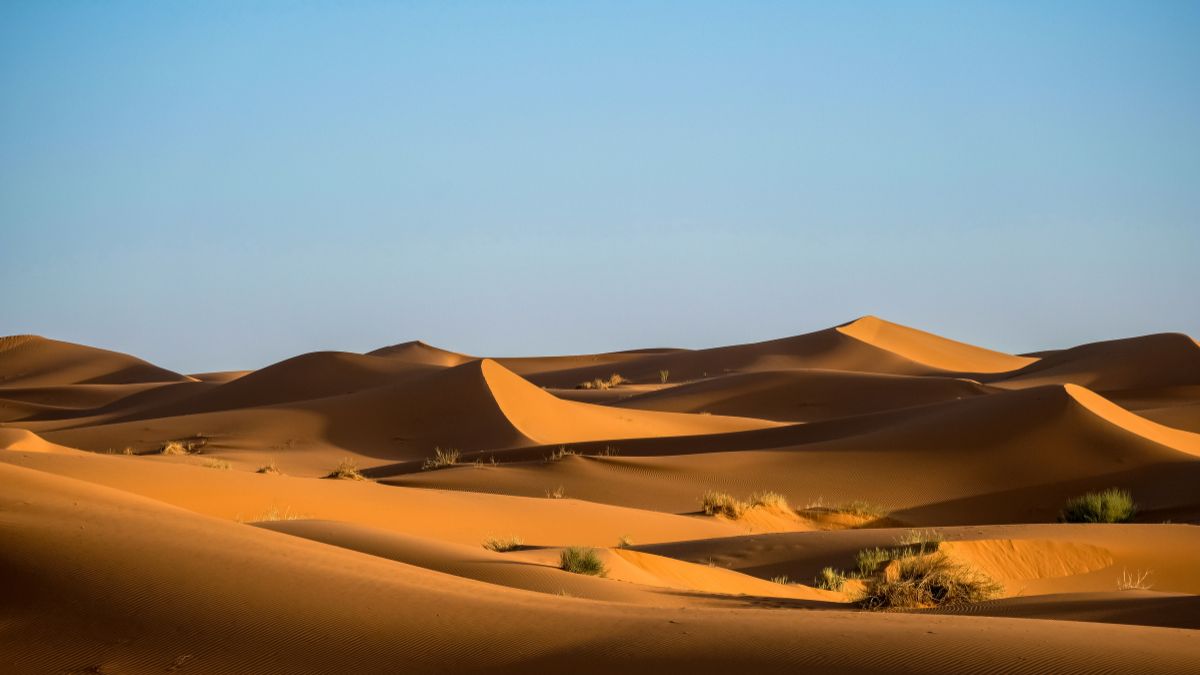
The Gobi Desert is unique because it is not just a sandy desert. Much of its surface consists of rocky plains rather than sand dunes. It experiences both extremely hot summers and freezing winters. Snowfall is also common in some parts of the desert. These features make it different from many other deserts around the world.
-1775200572394.jpg)
Interesting Facts About the Largest Desert in Asia
The Gobi Desert Has Extremely Cold Winters
Unlike many deserts that remain hot throughout the year, the Gobi Desert experiences freezing temperatures during winter. Temperatures can fall far below zero degrees Celsius. Snowfall occasionally covers parts of the desert landscape.
It Is One of the Largest Deserts in the World
The Gobi Desert covers a massive area across China and Mongolia. Its size makes it one of the most famous deserts in the world. The desert continues to expand due to desertification.
Many Dinosaur Fossils Were Found Here
The Gobi Desert is famous for important fossil discoveries. Scientists have found dinosaur eggs and skeletons in this region. These discoveries provide valuable information about prehistoric life.
It Supports Unique Wildlife
Despite harsh conditions, animals such as Bactrian camels and snow leopards survive here. These animals have adapted to survive in extreme temperatures and limited water supply.
It Experiences Extreme Temperature Changes
Temperatures in the Gobi Desert vary greatly between day and night. The desert can be very hot during the day and extremely cold at night. This creates a challenging environment for plants and animals.
It Is Mostly Rocky Rather Than Sandy
Unlike popular images of deserts filled with sand dunes, much of the Gobi Desert consists of rocky terrain. Sand dunes are present only in certain areas. This makes it different from many other deserts globally.
Read more: Which is India’s Largest Steel Plant?



Comments
All Comments (0)
Join the conversation