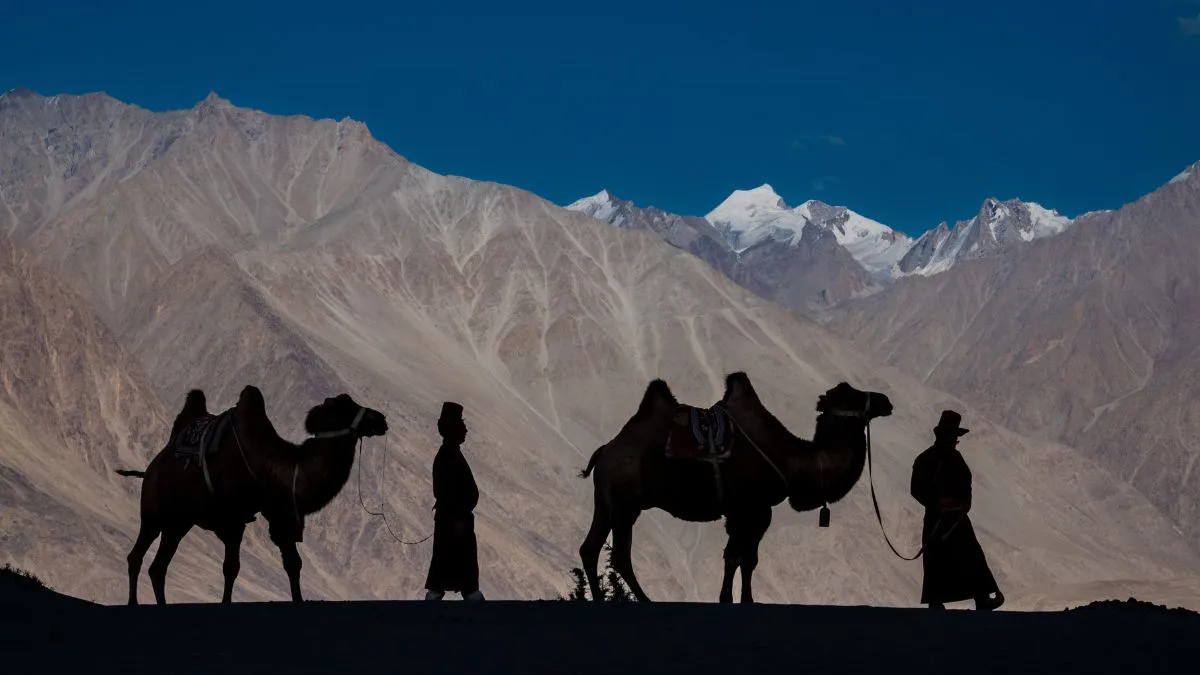
Cold Desert: Some deserts are extremely hot, but one desert is famous for its freezing temperatures, thin air, and dry landscape. This desert stays cold throughout the year even though it receives almost no rainfall. Because of its unique climate and rare wildlife, it is widely searched and globally recognised as the Cold Desert.
Which Desert Is Known as the Cold Desert?
The Ladakh Desert in India is known as the Cold Desert because of its high altitude, freezing temperatures, minimal rainfall, and dry winds. Located in the Himalayas, it remains cold even during summer, making it one of the most unusual deserts in the world.
Why Is Ladakh Called the Cold Desert?
Ladakh is known as the Cold Desert because temperatures can fall below –20°C in winter and remain low even in summer. The Himalayas block moisture, creating extremely dry conditions. Despite being a desert, it stays cold due to its altitude.
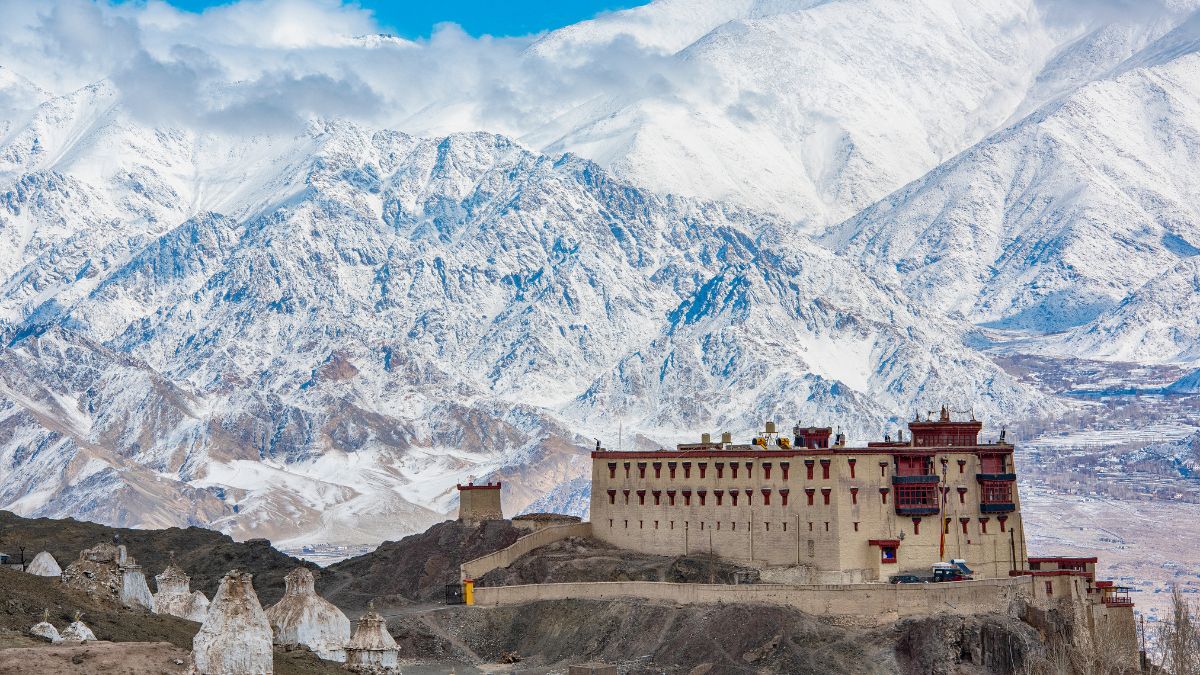
Location of the Cold Desert in India
The Cold Desert lies in Ladakh, covering regions like Leh, Nubra Valley, Diskit, Hunder, and the Pangong surroundings. These areas combine cold sand dunes, rocky mountains, and barren valleys, making the region visually striking.
Climate and Weather of the Cold Desert
The Cold Desert has freezing winters, cool summers, strong winds, and minimal precipitation. Rainfall is almost absent all year, and winter snowfall is the main source of moisture. Clear skies and intense sunlight are common due to thin air.
Why the Cold Desert Stays Cold Year-Round?
The high altitude reduces air pressure, causing low temperatures. Heat escapes quickly after sunset, making nights extremely cold. The thin atmosphere cannot store warmth, which maintains the cold climate day and night.
Famous Areas in the Cold Desert Region
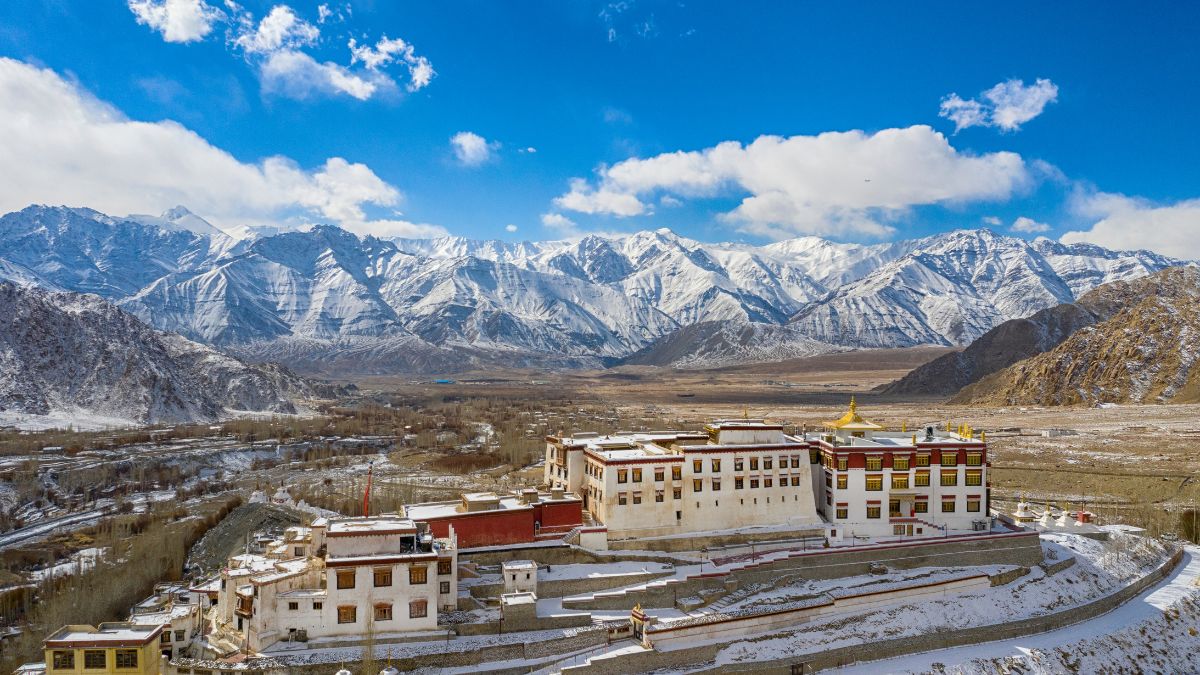
Popular tourist areas include Nubra Valley, Pangong Lake, Turtuk, Hunder dunes, Diskit Monastery, and the high-altitude passes. These places highlight Ladakh’s cold desert environment and stunning Himalayan panoramas.
Interesting Facts About the Cold Desert
The Cold Desert Has High-Altitude Sand Dunes
Unlike hot desert dunes, these dunes form at thousands of metres above sea level, giving the landscape a rare combination of snow-capped mountains and sandy terrain. The dunes shift slowly due to gentle winds.
Glaciers Are the Main Water Source in the Cold Desert
Rivers like the Shyok, Indus, and Zanskar arise from glacier melt, providing water for villages, farming, and wildlife. Without glaciers, the region would be uninhabitable.
The Cold Desert Lies in a Complete Rain-Shadow Zone
The Himalayas block all moisture-laden winds, resulting in extremely low rainfall. Some locations receive less than 10 cm of precipitation annually.
Double-Humped Camels Live Only in Cold Deserts
These Bactrian camels have thick fur, two humps for fat storage, and the ability to survive icy temperatures. They are used for transport in Nubra Valley.
The Cold Desert Is One of the Highest Deserts in the World
Most of the region lies above 3,000 metres, with some areas crossing 5,000 metres. This high altitude makes the desert cold and dry throughout the year.
Read more: Which Desert Is Called the Great Indian Desert?
The Ladakh region is called the Cold Desert because of its freezing climate, high altitude, dry air, and rare ecology. With sand dunes, glaciers, unique wildlife, and dramatic landscapes, it remains one of the most fascinating deserts on Earth. Keep reading for more topics like this.






Comments
All Comments (0)
Join the conversation