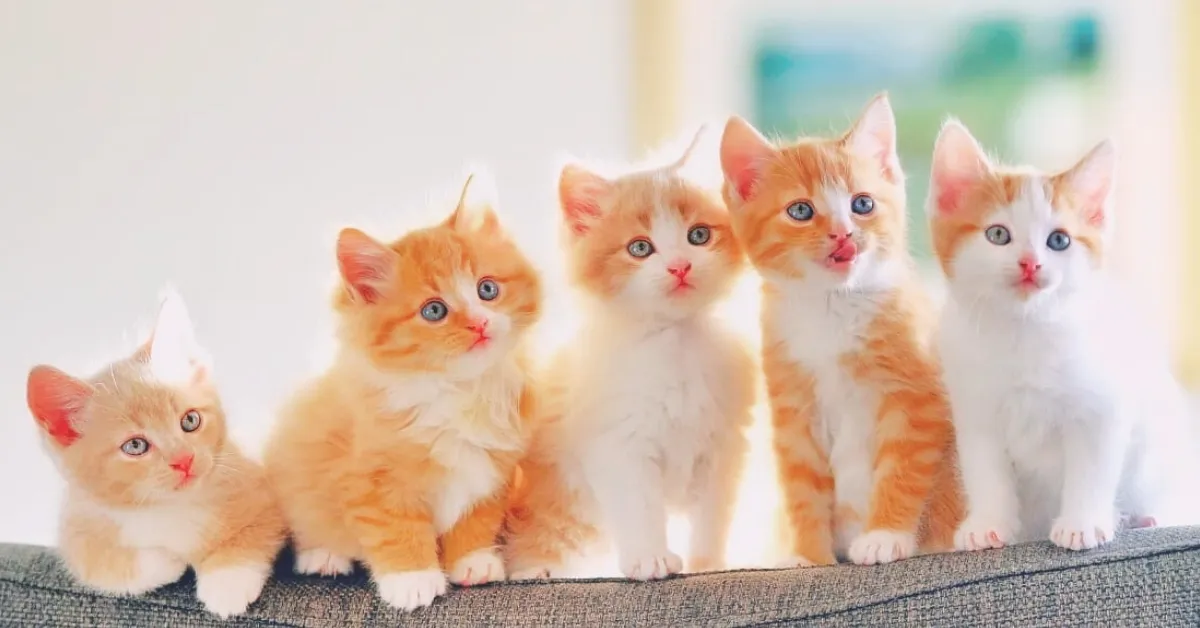
The animal kingdom is fantastic and full of surprises. Many animals have unique names for their young. These nicknames often sound cute and fit the baby animal perfectly. Think about animals on a farm. A baby cow is known as a calf. A baby sheep is called a lamb. And the young of a duck is a duckling. Even wild animals have special names. A baby kangaroo is called a joey. Our beloved house cats also have a specific term for their young. We all love watching them play and grow. But do you know what a baby cat is officially called? It's a simple, familiar name that you hear often! However, many people don't realise it's the proper, official term. In this article, we'll take a look at the special name for a baby cat. We will also explore the fun vocabulary used for cat families and the amazing process of their birth.
What is a Baby Cat Called?

The most common and widely accepted name for a baby cat is 'kitten'. The term "kitten" is used for a cat from the time it is born until it is approximately six months old. Once a cat is older than six months, it is generally considered a juvenile or an adult, and the term changes to 'tom' (male) or 'queen' (female). Interestingly, a group of kittens born at the same time is called a litter.
The act of a mother cat giving birth to her kittens is formally called queening. The process of raising and caring for kittens until they are weaned (stop nursing) is sometimes called weaning.
10+ Lesser-Known Feline Facts
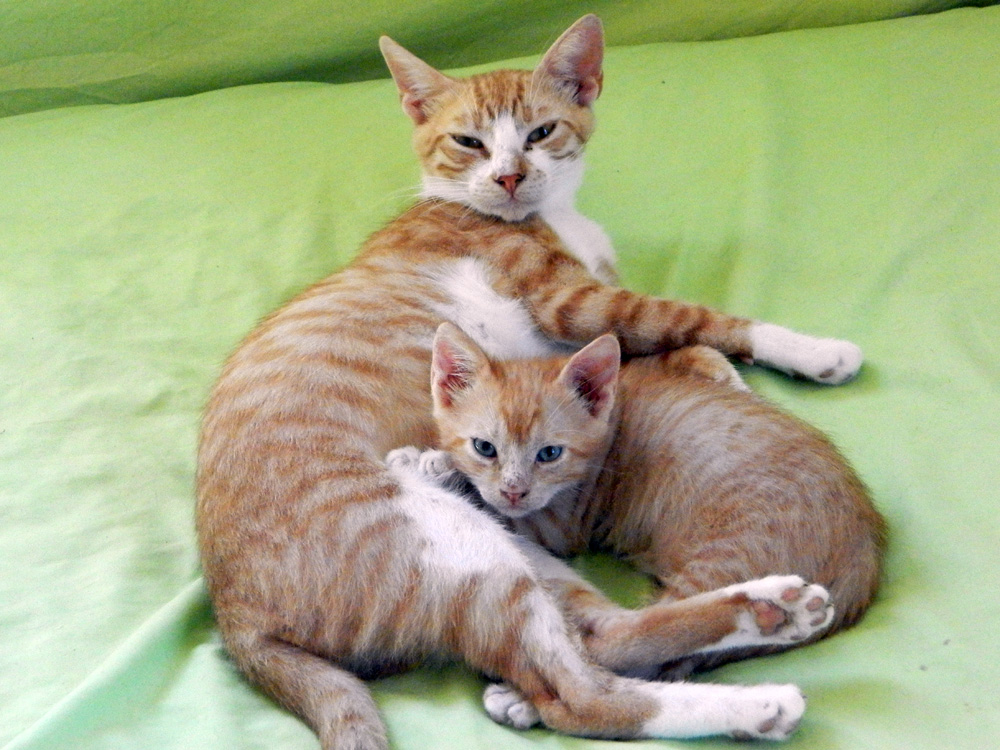
- Many vets now recognise a sixth stage, the Super Senior or Geriatric stage, which begins around 15 years of age and focuses on managing multiple chronic health issues.
- The official, rare term for a litter of kittens (a group born to one mother) is a 'kindle'.
- A kitten's development from birth to one year is equivalent to a human reaching their mid-teens (around 15 years old), making the first year the most rapid period of change.
- A neutered male cat is sometimes formally called a ‘gib’. This term is very old-fashioned and rarely used today, but it is technically correct.
- Kittens are born completely blind and deaf (Neonatal Stage, 0-2 weeks). They rely entirely on touch, smell, and the ability to detect warmth to survive and find their mother.
- The period from 6 months to 2 years is often termed the Junior or Adolescent stage, when cats reach sexual maturity and may exhibit increased adventurous or territorial behaviours.
- While a kitten's eyes and ears take weeks to open, its sense of smell is fully developed by three weeks of age.
- Most cat vocalisations, especially meowing, are behaviours cats developed almost exclusively to communicate with humans, not with other adult cats.
- While not strictly stage-related, adult female cats are often observed to have a slight preference for using their right paw, while males lean toward the left.
- When a cat makes a weird, open-mouthed face after smelling something interesting (like another cat's marking), it is called the Flehmen response, which helps it draw scent into an extra-sensory organ.
- As cats enter the Senior stage (10+ years), reduced grooming can lead to a less shiny, duller coat and even painful hair matting due to mobility issues like arthritis.
What are the four stages of a cat?
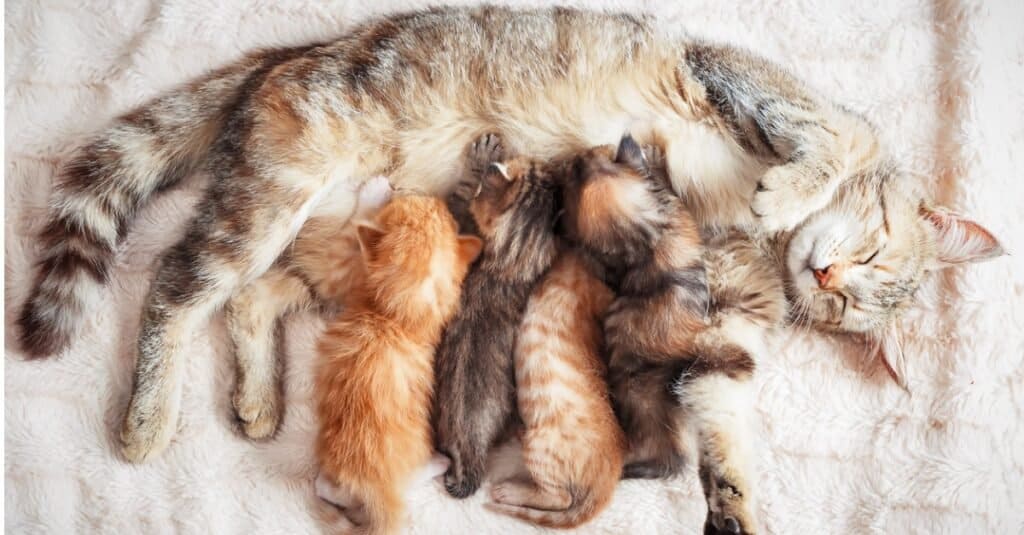
The lifespan of a domestic cat is often divided into four distinct age-related stages to guide proper veterinary care and health management. These stages, as defined by organisations like the American Association of Feline Practitioners (AAFP), are:
Kitten (Birth up to 1 year):
- This is a period of rapid growth and development, similar to human infancy and childhood.
- Focus areas include vaccinations, socialisation, and spaying/neutering.
Young Adult (1 to 6 years):
- The cat reaches its full physical size and is in its prime. This is similar to human adolescence and young adulthood.
- Focus areas are maintenance of weight, preventing infectious diseases, and dental health.
Mature Adult (7 to 10 years):
- This is the feline equivalent of middle age (around 44 to 56 human years).
- The risk of developing chronic diseases begins to increase, requiring more frequent veterinary screening, especially for conditions like kidney and thyroid issues.
Senior (10 years and older):
- The cat is considered an elder, equivalent to humans aged 60 and above.
- Focus areas shift to managing age-related changes, ensuring mobility (arthritis management), and more frequent checkups (ideally every six months) to catch diseases early.
In a Nutshell: Cat vs. Human Years
Here is a table comparing the four main stages of a cat's life to approximate human ages:
| Cat Life Stage | Cat Age Range | Approximate Human Age Equivalent | Key Characteristics |
| Kitten | Birth to 1 year | Birth to 15 years | Rapid growth, development, and a high need for socialisation. |
| Young Adult | 1 to 6 years | 15 to 40 years | Prime physical condition, active, sexual maturity achieved. |
| Mature Adult | 7 to 10 years | 44 to 56 years | In middle age, the risk of chronic disease increases. |
| Senior | 10 years and older | 60+ years | Advanced age, focus on managing mobility, hearing, and organ function. |
Note: The "Young Adult" stage sees the most rapid human-age conversion. A cat is generally considered 15 human years old at age 1 and 24 human years old at age 2. After that, each cat year is approximately equivalent to 4 human years.





Comments
All Comments (0)
Join the conversation