China Approves World’s First Commercial Brain Chip: What the Neural Interface Means and How It Works
China's "commercial brain chip" announcement oversimplifies current BCI technology. While research is advancing, BCIs remain experimental, primarily focusing on medical and assistive applications under highly regulated, controlled conditions.
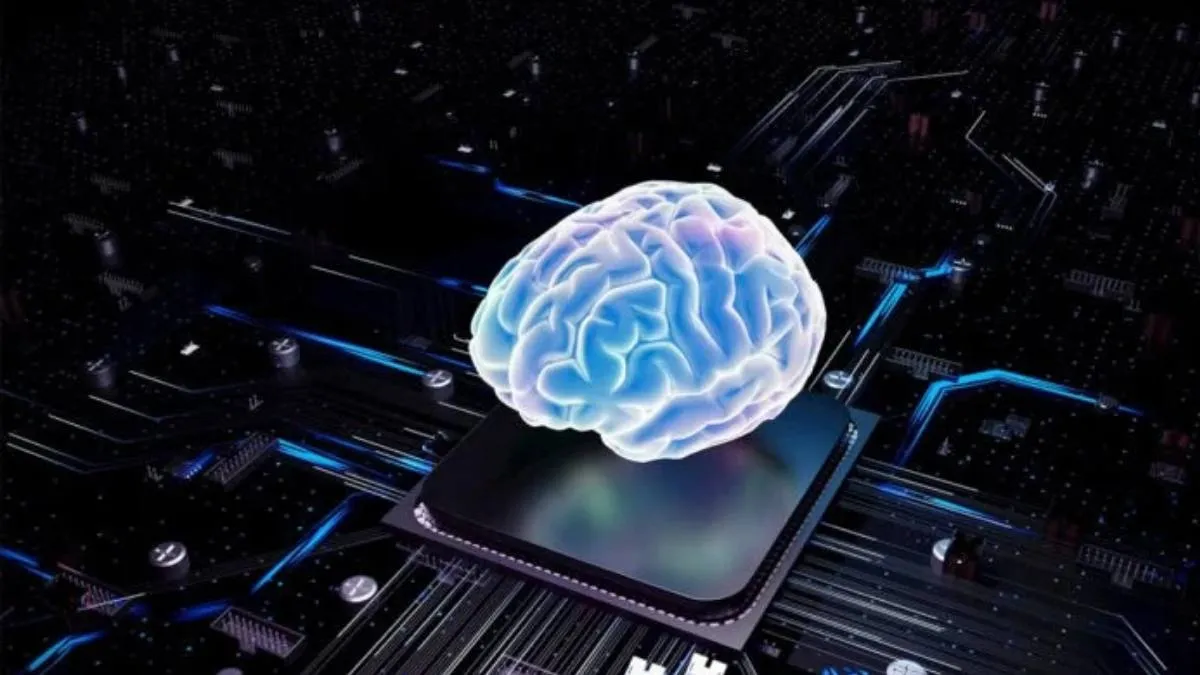
The announcement made by China that it has developed the "world's first commercial brain chip" has received widespread media attention and many are assuming that brain–computer interfaces (BCI) are ready for everyday use. In reality, the situation is more complicated than what most people understand.
Although China is doing considerable research on neural interfaces and some devices are starting to make their way into regulated clinical or pilot programs, the reality is that such technology is still in the early stages of development around the world. BCI's allow communication to occur directly between your brain and outside devices by decoding the electrical signals produced by the neurons in your brain.
This means that BCI's have great potential in medicine and for assistive technology, but they still need to be much more developed and are still only largely experimental due to safety, accuracy and regulatory constraints.
What Is a Brain-Computer Interface?
Brain-Computer Interfaces (BCIs) allow direct connections between brains and computers. Brain activity emits electrical signals as a result of neuron activity that the BCI reads & converts to digital commands to operate computers, robots, communications, etc.
BCIs may be non invasive like using an external sensor like an EEG cap to read brain signals or invasive using implanted electrodes. The main purpose of BCIs is to provide a means for restoring a function by providing a way to bypass damaged nerves & find new ways to interact with technology.
How Neural Chips Work?
A neural chip performs the procedure of collecting, processing, and sending command signals. The first step is to place electrodes on or inside the brain that will detect the electrical impulses caused by a thought or a movement. The detected signals are sent via wirelessly or wired to an external processor.
The processor receives signals and uses machine learning algorithms to decode the signal patterns and compare them to a standard set of actions the user can take like moving the cursor, selecting a letter from a list. Once the command has been decoded, it sends the command to an external device that will execute the command in real-time. The accuracy of the neural chip system improves with usage over time.
China’s Role in Brain-Computer Interface Development
With its extensive investments in neuroscience laboratories, medical trials and artificial intelligence-driven systems to decode brain signals, China has emerged as a leader in global research for brain-computer interfaces (BCIs).While there have been reports about "commercial brain chips," these generally discus s their limited clinical use or government-sponsored pilot programs rather than products for sale to consumers.
Although there are some early consumer brain chip applications, the majority of current BCI development efforts aim to create medical devices that help people who have paralysis or other neurological disorders regain the ability to communicate or control their environment, and most new BCIs are still being developed under highly controlled conditions.
Conclusion
The concept of 'world's first commercial brain chip' greatly oversimplifies a complex, rapidly developing area of study. There are many companies such as Neuralink and Synchron advancing the technology along with various countries like China working to create innovative brain-computer interfaces that provide new opportunities for patients.

Ayukta Zisha is an education journalist with over three years of experience in digital media. A graduate of St. Xavier’s College, she holds a Master’s degree in English along with a certification in Digital Marketing from IIT Delhi. Backed by a strong academic foundation in the humanities, she specializes in creating educational and general knowledge content across history, geography, literature, and current affairs. During her tenure at Jagran Josh, she worked extensively on U.S. news and global developments, curating informative and engaging content for a diverse readership. Her subject expertise and ability to simplify complex topics enable her to make complex information accessible to a wide audience. Beyond journalism, Ayukta is an avid reader and a published author.


