Which are the 3 Biggest Dams in Bihar? Check River, District, Length & Year Built
Discover the top 3 biggest dams and barrages in Bihar. Check the complete list with details on rivers, districts, length, construction year, and key facts.
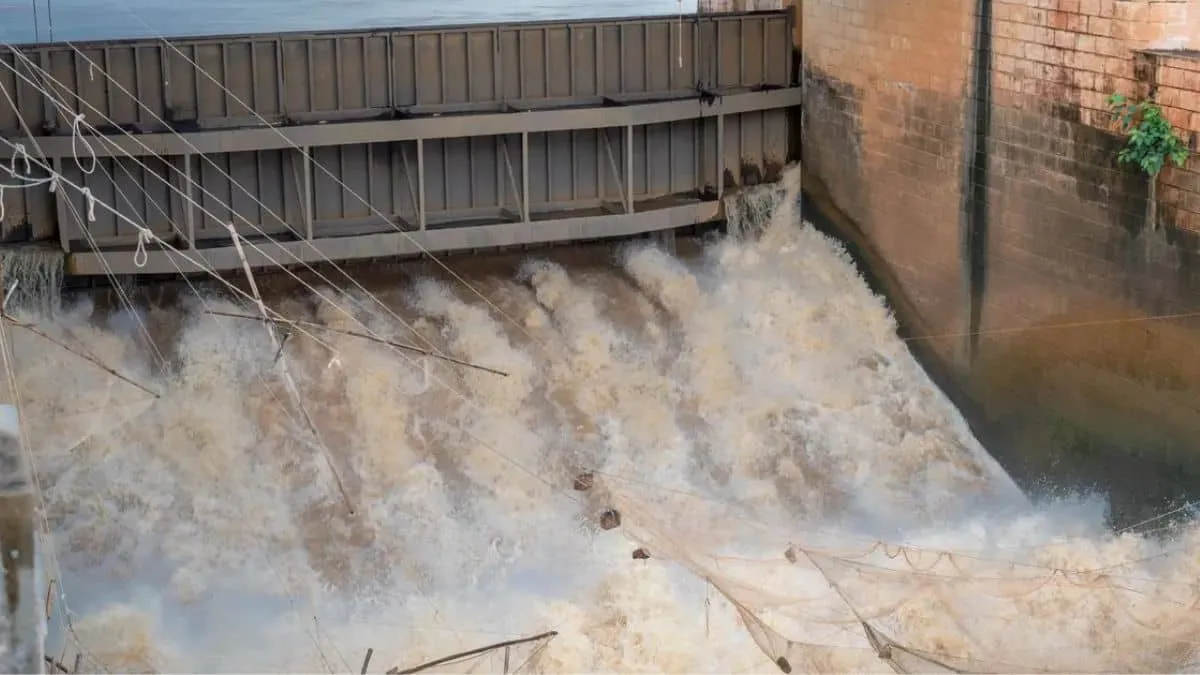
Bihar is a state full of rivers. The Ganga, the Son, the Gandak, and the Kosi flow through its land every single day.
Here, there were many rivers, so the people of Bihar have constructed big dam and big barrage many years ago. These dams prevent water from escaping, regulate floods and direct water to farms via canals.
This article will let you know about the 3 biggest dams in Bihar. if you're a student or simply a common man from Bihar who wishes to know about Bihar, let’s learn which are the 3 biggest dams in Bihar.
Let us look at the table first, and then we will talk about each dam one by one.
Which are the 3 biggest dams in Bihar?
The three biggest dams in Bihar are:
-
Indrapuri Barrage (Sone Barrage)
-
Kosi Barrage (Birpur Barrage)
-
Valmiki Nagar Barrage (Gandak Barrage)
| Rank | Dam Name | River | District | Length | Year Built |
| 1 | Indrapuri Barrage (Sone Barrage) | Son River | Rohtas | 1,407 metres | 1968 |
| 2 | Kosi Barrage (Birpur Barrage) | Kosi River | Supaul | 1,150 metres | 1962 |
| 3 | Valmiki Nagar Barrage (Gandak Barrage) | Gandak River | West Champaran | 743 metres | 1969 |
1. Indrapuri Barrage, Rohtas – The Biggest Dam in Bihar
Indrapuri Barrage sits on the Son River in Rohtas district. It is 1,407 metres long, which is more than one kilometre. That is why it is called the biggest dam in Bihar.
Facts about Indrapuri Barrage, Rohtas
-
Biggest dam in Bihar.
-
Listed as the 4th longest barrage in the world by Bihar Tourism.
-
Built by Hindustan Construction Company.
-
Replaced an older canal system (anicut) built in 1873.
-
Feeds a canal network spanning over 1,593 miles (209 miles main, 149 miles branch, 1,235 miles distributaries).
2. Kosi Barrage, Supaul – The River Known as the Sorrow of Bihar
The Kosi River has a sad nickname. People call it the "Sorrow of Bihar" because it floods almost every year and has caused huge damage in the past. To control this river a little, the Kosi Barrage was built.
Facts about Kosi Barrage, Supaul
-
Built to mitigate flooding from the Kosi River ("Sorrow of Bihar").
-
Located near Bhimnagar along the India–Nepal border.
-
Features 56 water control gates.
-
Constructed following a bilateral agreement between India and Nepal signed on April 25, 1954.
-
Involved over 1 million workers during construction.
3. Valmiki Nagar Barrage, West Champaran – Gandak River's Guardian
The third biggest dam in Bihar is the Valmiki Nagar Barrage, also called the Gandak Barrage. It is built on the Gandak River in West Champaran district, right next to the India Nepal border.
Facts about Valmiki Nagar Barrage
-
Also known as the Gandak Barrage.
-
Located at the India–Nepal border, where the Gandak enters India from Nepal.
-
Distributes water through the Eastern and Western Main Canals.
-
Irrigates approximately 11.5 lakh hectares across seven districts.
-
Located adjacent to the Valmiki Tiger Reserve, Bihar's only tiger reserve.
Did You Know?
Here are a few fun facts about these dams that most people don't know.
-
Indrapuri Barrage is over 14 football fields in length.
-
It was also very difficult to control the Kosi, as the river has changed its course by over 100 kilometres in the past 200 years.
-
In Bihar, these two terms are used interchangeably, but a barrage is more associated with controlling river flows with gates, while a dam typically is associated with storage of water behind the dam.
-
All three of these barrages were constructed between 1960-70, when Bihar was striving to resolve issues related to agriculture and flood control.
What are the Importance of these Dams in Bihar?
Bihar has very fertile land but agriculture relies on the availability of water to the fields at the right time. Indrapuri, Kosi and Valmiki Nagar are the three dams, which are the pillars of irrigation in the state. The canals from these barrages supply water to the millions of farmers in districts such as Rohtas, Supaul, Saharsa, Madhepura, Purnia and West Champaran.
Meanwhile, these dams also attempt to regulate floods from rivers that have been wreaking havoc for centuries. It's not easy and even now the government is still making plans to better manage the Kosi River in the future, such as the proposed Saptakoshi High Dam.
So now you know the answer. The 3 biggest dams in Bihar are Indrapuri Barrage on the Son River, Kosi Barrage on the Kosi River, and Valmiki Nagar Barrage on the Gandak River. Each one has its own story, its own struggle, and its own importance for the farmers and families of Bihar.
Next time someone asks you this question in school or in a competitive exam, you won't just know the names, you will know the story behind them too.

Prabhat Mishra is a Subject Matter Expert and digital journalist with an extensive background in the competitive exam landscape and over 4 years of experience in education, national and international news, and current affairs. Over his tenure with top knowledge platforms like Mentorship India, IAS BABA, IAS SARTHI, and now Jagran Josh, he has a deep understanding of government exams like UPSC and State PCS, including UP and Bihar, as he has already qualified for the UPPCS 2022 Mains and Bihar 68th Mains. With his core expertise in history, polity, geography & current affairs, he specialises in creating well-researched, aspirant-centric content and simplifying complex topics for competitive examinations.


-1788936819608_t.webp)

![[OUT] AFCAT 2 Result 2026 Live: Download Scorecard PDF at afcat.edcil.co.in- Link Active](https://img.jagranjosh.com/images/2026/September/992026/AFCAT-2-Result-2026.jpg)