
Did you know that New Year's Eve is one of the oldest holidays still celebrated today? For billions of people, the clock striking midnight on January 1st marks a fresh start. We celebrate by leaving the past behind and setting new goals for the future. While ancient civilisations celebrated at different times, often during the spring, the date we use today has deep roots in Roman history. Currently, the vast majority of the world follows the Gregorian calendar. This means that January 1st is the official start of the year in almost every country worldwide. But why this specific day? It wasn't always the case, and the journey to this date took centuries of changes. Do you know the real history of why we celebrate on January 1st? In this article, we'll take a look at the fascinating story behind our modern calendar.
Why is the New Year Celebrated on January 1st?
The reason the New Year is celebrated on January 1st has deep historical significance. For that reason, we have to look back at ancient Rome.
| Era | New Year Date | Key Reason |
| Early Rome | March 1st | Start of spring and military season. |
| Julius Caesar | January 1st | Honouring the god Janus. |
| Middle Ages | March 25th | Religious significance (Annunciation). |
| Modern Day | January 1st | Gregorian calendar reform. |
It wasn't always this way; in fact, the early Roman calendar only had 10 months and started in March.
The Roman Beginnings

The change started with Janus, the Roman god of beginnings and doors. Janus is famous for having two faces: one looking back at the past and one looking forward to the future.
- 713 BCE: King Numa Pompilius added January and February to the calendar.
- 153 BCE: Roman officials (called consuls) began entering office on January 1st instead of March, making it the "civic" start of the year.
- 46 BCE: Julius Caesar introduced the Julian calendar. He officially moved New Year's Day to January 1st to honour the god Janus.
The Middle Ages and Beyond
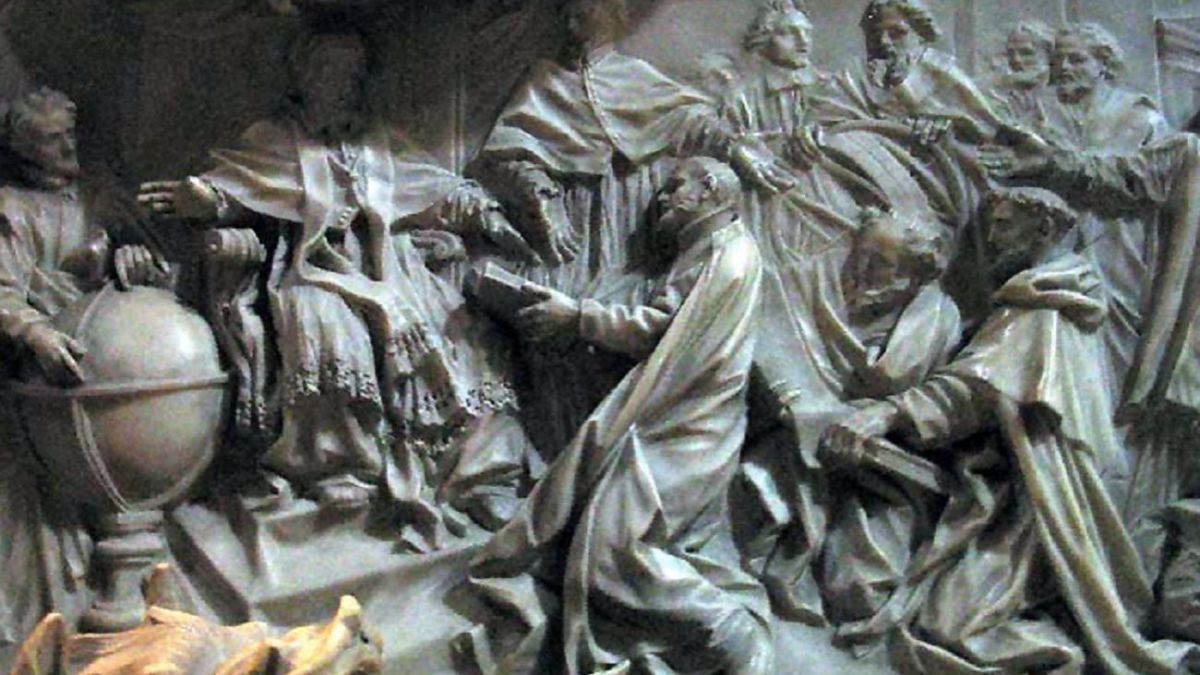
After the Roman Empire fell, many Christian countries didn't like celebrating on January 1st because it felt too "pagan". For hundreds of years, different places used different dates, like Christmas (Dec 25) or Lady Day (March 25). This "calendar chaos" finally ended in 1582 when Pope Gregory XIII introduced the Gregorian calendar. This reform corrected errors in how we measured time and firmly established January 1st as the official start of the year in the Western world.
Which Country Celebrates The New Year First?
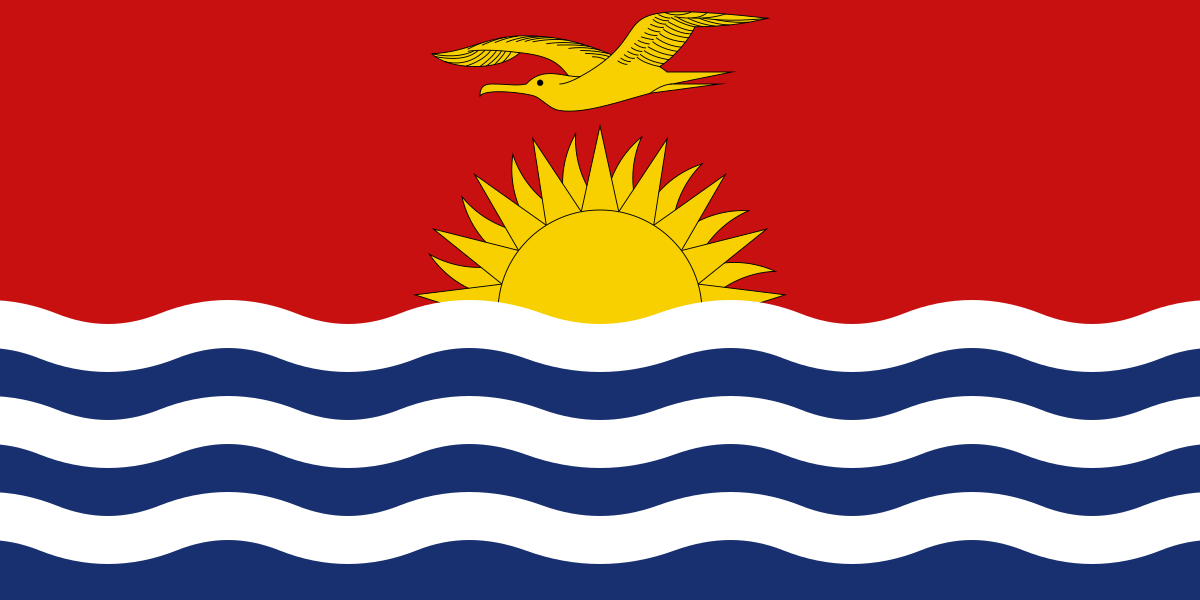
The first country to welcome the New Year is Kiribati, a small island nation in the central Pacific Ocean. Specifically, the Line Islands (including Kiritimati, or Christmas Island) ring in the New Year before anyone else because they sit in the world's earliest time zone, UTC+14. At midnight, it is still only early morning on December 31st in many other parts of the world.
When Is New Year's Day In 2026?

Source: Getty Images
In 2026, New Year's Day falls on a Thursday, January 1st. Since 2024 was a leap year and 2025 was a standard year, the calendar shifts forward. This means you can look forward to a midweek celebration. Most businesses and government offices will be closed on this Thursday to observe the first day of the year according to the Gregorian calendar.




-1767162864862.jpg)
Comments
All Comments (0)
Join the conversation