Why Are Railway Tracks Made of Steel?
Why are railway tracks made of steel? Know why steel is used for railway tracks, its strength, durability, flexibility and other important reasons.
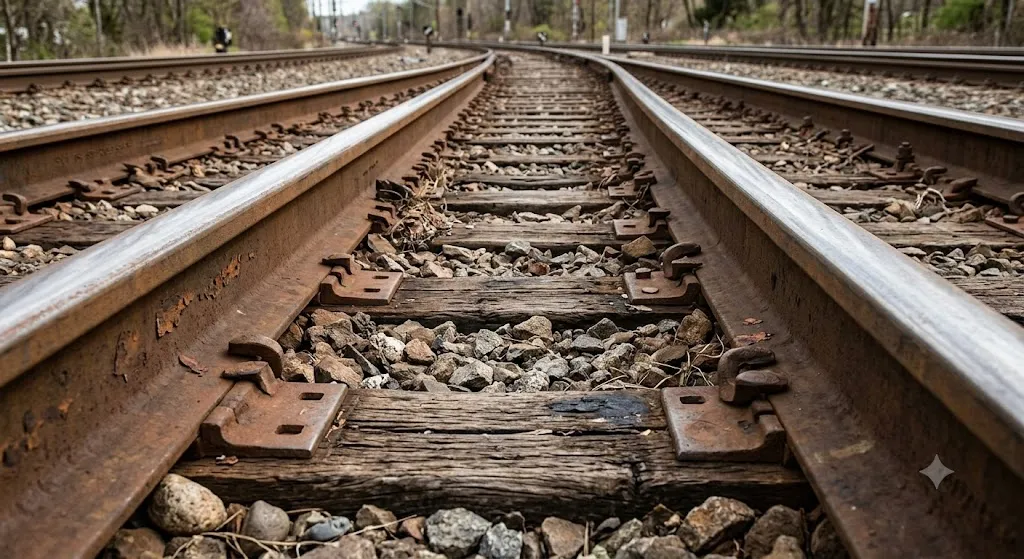
Railway tracks may look like simple metal rails but they are specially designed to carry very heavy trains at high speeds. Steel is used for railway rails because it has the right combination of strength, durability and flexibility needed for railway operations. Keep reading to know in detail.
Why Are Railway Tracks Made of Steel?
Railway tracks are made of steel mainly because steel can withstand heavy loads and repeated pressure. Trains can weigh hundreds or thousands of tonnes. Steel rails can support these heavy loads. Steel is strong enough to carry the repeated movement of trains.
1. Steel Is Very Strong
One of the biggest reasons for using steel is its strength. Railway rails carry the weight of trains. The load is transferred from the rails to the sleepers and then to the track. Strong steel helps prevent the rails from bending under normal operating conditions.
2. Steel Can Handle Repeated Loads
Railway tracks experience repeated loading every time a train passes. A busy railway line may have hundreds of train movements. The same section of track can experience repeated stress. Steel is capable of handling this repeated loading.
3. Steel Is Durable
Railway tracks need to remain functional for long periods. Steel rail tracks are designed to withstand heavy loads, repeated wheel contact, friction, weather conditions and temperature changes.
4. Steel Has Some Flexibility
Steel is strong, but it is not completely rigid. This is important because rail tracks experience forces as trains move over them. This helps them withstand dynamic forces from moving trains. The track system distributes loads through sleepers and ballast.
5. Steel Rails Can Be Made Into Long Sections
Modern railway lines commonly use long welded rail in which individual rails are welded together into very long continuous sections. This has several advantages fewer rail joints, smoother train movement, less maintenance at joints, reduced noise and vibration and better ride quality.
6. Steel Works Well With Railway Wheels
Railway wheels and rails are both made from steel or steel based materials. This combination provides a hard, durable contact surface. The steel on steel wheel and rail system also has relatively low rolling resistance, which helps trains move efficiently.
7. Steel Can Withstand High Temperatures
Railway rails experience temperature changes throughout the year. Steel can tolerate a wide range of temperatures, although rails can expand in hot weather and contract in cold weather. This is why railway engineers carefully manage rail temperature, track alignment, rail stresses, expansion and contraction.
Why Are Railway Tracks Not Made of Iron?
Steel and iron are not the same material. Iron is relatively soft and has limited strength compared with modern rail steels. Steel is an alloy mainly made from iron and carbon.
Steel Railway Tracks
Feature Details
Main material Rail steel
Primary reason for use High strength and durability
Main function Provides a running surface for train wheels
Handles Heavy and repeated train loads
Wheel material Generally steel
Can expand with heat? Yes
Needs maintenance? Yes
Works with Sleepers, fasteners and ballast

Jasreet Kaur is a journalist with over 3 years of experience in digital media and news content creation. She specializes in covering Trending News, including major National and International developments, with a focus on delivering accurate, engaging, and reader-friendly stories. Prior to this, she worked with Zee News as a Content Writer, where she gained extensive experience in news reporting and content strategy. Driven by curiosity, credibility, and a passion for impactful journalism, Jasreet aims to contribute to informed public discourse while supporting positive growth in organizations, society, and the world.



![[Out] UGC NET June 2026 Result Live: यूजीसी नेट रिजल्ट ugcnet.nta.nic.in जारी, डायरेक्ट लिंक से करें चेक](https://img.jagranjosh.com/images/2026/August/2782026/UGC-NET-Result-2026-Marksheet-link-pdf.jpg)