Why Are Airport Runways Called Runways?
Why are airport runways called runways? Know the meaning of the term, how it originated and why the runway is an important part of an airport.
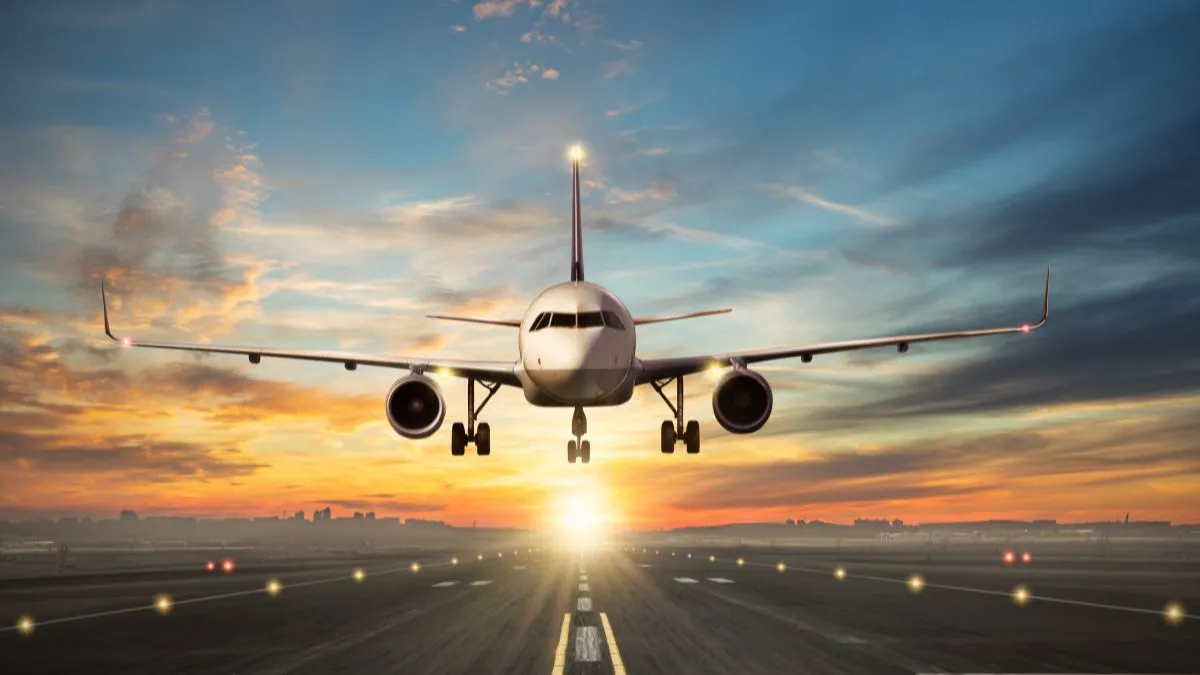
Have you ever wondered why the long strip used by aircraft for take off and landing is called a runway? The word runway may sound like a place where someone runs but in aviation it has a specific meaning. The name is linked to the way aircraft run along the ground before becoming airborne and during the landing process. Keep reading to know in detail.
Why Are Airport Runways Called Runways?
Airport runways are called runways because aircraft move or run along the ground before taking off. An aircraft does not immediately become airborne when it starts moving. It accelerates along the runway. Once it reaches the required speed, it takes off.
What Is a Runway?
A runway is a prepared and designated surface at an airport or airfield for aircraft take offs and landings. It can be made from Asphalt, Concrete and other specially prepared surfaces. Modern runways are designed to withstand the weight and speed of aircraft.
Why Are Runways So Long?
Aircraft need enough distance to accelerate safely before take-off and to slow down after landing. The required runway length depends on several factors type of aircraft, aircraft weight, airport elevation, temperature, wind conditions, runway surface and safety requirements.
Why Do Planes Land on a Runway?
A runway gives an aircraft a controlled and prepared surface on which to land.During landing the aircraft approaches the runway and its wheels touch the surface. The aircraft continues moving forward. While brakes and other systems help reduce its speed.
Are Runways Always Straight?
Most airport runways are straight. Their direction is planned according to factors such as prevailing winds, terrain, surrounding buildings, airport layout and safety requirements. Aircraft generally take off and land into the wind because this helps reduce the aircraft’s required ground speed and can improve take off and landing performance.
Why Do Runways Have Numbers?
Airport runways have numbers to indicate their compass direction. The number is generally based on the runway’s magnetic heading. The heading is rounded to the nearest 10 degrees. The last digit is removed. For example, a heading of about 180° is represented as Runway 18. A heading of about 270° is represented as Runway 27.
Why Are Runways Marked With White Line?
Runway markings help pilots identify important areas of the runway. They can indicate runway centreline, threshold, touchdown zone, runway edges, other operational information.
What Is the Difference Between a Runway and a Taxiway?
The two are often confused, but they have different purposes.
| Feature | Runway | Taxiway |
| Main Purpose | Take-off and landing | Moving aircraft around the airport |
| Used For | Aircraft becoming airborne or landing | Connecting runways with terminals, parking areas, and other airport facilities |
| Location | Main aircraft operating surface | Connects different parts of an airport |
| Typical Markings | Specific runway markings | Taxiway markings and signs |
What Is the Difference Between a Runway and an Airport?
An airport is the entire facility, while a runway is only one part of it. An airport can contain runways, taxiways, terminals, aircraft parking areas, control towers, hangars, navigation equipment and other support facilities.

Jasreet Kaur is a journalist with over 3 years of experience in digital media and news content creation. She specializes in covering Trending News, including major National and International developments, with a focus on delivering accurate, engaging, and reader-friendly stories. Prior to this, she worked with Zee News as a Content Writer, where she gained extensive experience in news reporting and content strategy. Driven by curiosity, credibility, and a passion for impactful journalism, Jasreet aims to contribute to informed public discourse while supporting positive growth in organizations, society, and the world.