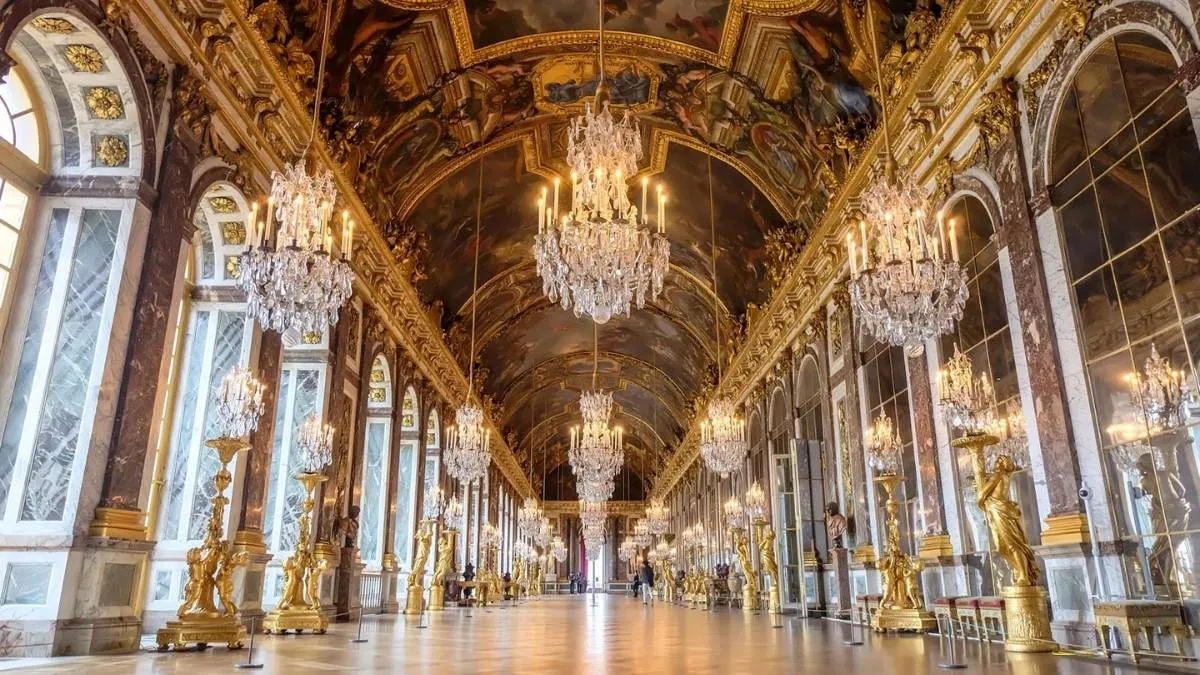
The Palace of Versailles is one of the most famous royal palaces in the world. Its grand halls, long gardens and rich history draw millions of visitors from around the globe every year. Yet, behind all this splendour lies a fascinating story of vision, power and the hands that brought that vision to life. Many people ask who built the Palace of Versailles and how it became the symbol of royal authority in France. In truth, the palace was not created by a single person but by several rulers and an extraordinary team of architects, artists and planners over decades.
A Modest Beginning: Louis XIII and the First Château
The story begins with King Louis XIII of France. In 1623, he ordered a simple hunting lodge to be built on this land near Paris. This original structure was modest in size and function, mainly serving as a retreat rather than a royal residence.
However, this small château laid the foundations for what was to become something much larger and more magnificent. After Louis XIII’s death, his son, Louis XIV, would take the humble beginning of Versailles and transform it in ways no one could have imagined.
Louis XIV: The Sun King Who Transformed Versailles
King Louis XIV, who is also known as the Sun King, is the figure most linked with the Palace of Versailles. Beginning around 1661, he set out to turn the old hunting lodge into a vast palace suitable for the French court and government.
This plan was ambitious from the start. Louis XIV wanted a space to display his power and the glory of France. With this aim, he employed some of the greatest minds in architecture and art of the era.
Key Architects and Artists
| Name | Role |
| Louis Le Vau | Lead architect, expanded original château |
| Jules Hardouin-Mansart | Main architect after Le Vau’s death |
| Charles Le Brun | Chief painter and interior designer |
| André Le Nôtre | Landscape architect of the gardens |
Louis Le Vau began the major expansion, giving the palace its new façades and wings. After his death, Jules Hardouin-Mansart took over and helped create the iconic Hall of Mirrors and many of the grand ceremonial spaces. Le Brun designed much of the interior decorations while Le Nôtre created the stunning gardens that stretch far beyond the palace walls.
Together, this team turned Versailles into a masterpiece of Baroque architecture and garden design. The work continued over many years and saw contributions from later kings such as Louis XV and Louis XVI, who added theatres, chapels and guest apartments.
Legacy
From a simple lodge to a grand royal palace, Versailles illustrates the peak of French royal ambition. Thanks to the long reign of Louis XIV and the talent of many builders and artists, the Palace of Versailles became a centre of power in France and remains a UNESCO World Heritage Site today.

-1766918665913.jpg "Who was Charles Darwin? Read His Biography, Early Life & Contributions in Science!")


-1766765158553.jpg)
Comments
All Comments (0)
Join the conversation