Key Points
- Tipu Sultan, ruler of Mysore, inherited a strong army on December 28, 1782.
- He fought against the British East India Company in the Anglo-Mysore Wars.
- Tipu Sultan modernized his army and innovated weaponry like iron rockets.
India has experienced many great rulers who influenced politics, war, culture since its inception. The southern subcontinent saw the emergence of an extraordinarily able head of state, who excelled in military skill, and strategy, and dedicated himself to strengthen his territory's defenses against invaders.
His inventive ways of conducting war and administration made him a beacon of hope and desire during his time.
He was instrumental in creating the modern political landscape of South India which put him on the map as one of the most important figures beyond his geographical area.
The title given to him by many historians and educators is a testament to how powerful he was throughout the southern half of India, solidifying his status as one of the greatest men in Indian history & legend.
Which King Was Known as Sultan of the South?

Source: Notes on Indian History
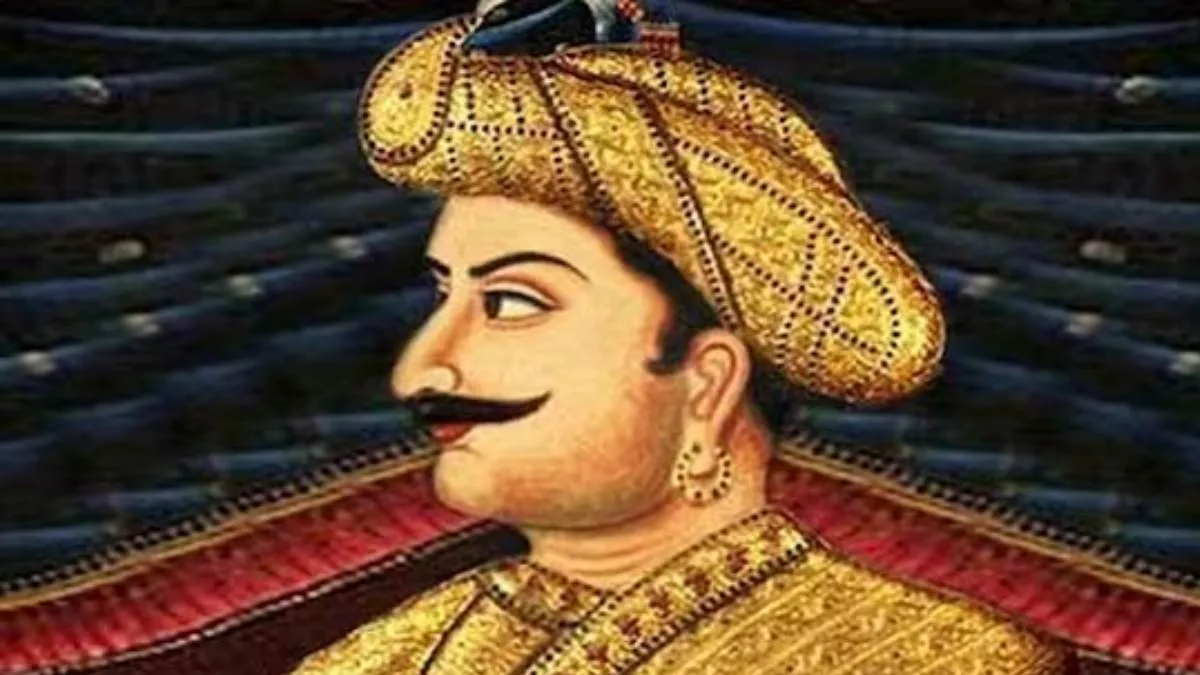
Between 1782 and 1799, the Sultan of the South was Tipu Sultan, the 18th-century ruler of the Kingdom of Mysore in southern India.
He became king following his father's death (Hyder Ali) on December 28, 1782, inheriting the strong army and infrastructure established under his father's reign. He is widely recognized for his courage as well as his strategic and tactical ability to fight bitterly against the British East India Company during the four Anglo-Mysore Wars.
In addition to modernizing his army and developing new and innovative weaponry (such as iron rockets) for his military, he greatly increased the overall productivity of his kingdom and improved the management of his kingdom's economy.
His military success and political influence across South India positioned him as one of the most powerful Muslim monarchs in the region during the 18th century.
Why was he called Sultan of the South?
1. Powerful Military Leadership
With a disciplined and capable army, Tipu Sultan created Mysore into a major military power in South India. Tipu Sultan's victories against several local kingdoms and also against Britain, demonstrated to his foes how capable he was as an army commander.
2. Resistance Against the British
Tipu Sultan was a warrior. He fought four Anglo-Mysore Wars to defend his kingdom from British expansion. He became recognized as one of the few brave/strong rulers from southern India who stood up against the British Empire.
3. Strategic Alliances
Tipu Sultan established alliances with his neighbouring kingdoms and also built alliances with foreign powers such as the French to support him against the British. By forming these alliances, Tipu created a stronger position in both the Deccan and South India.
4. Administrative Reforms
Tipu Sultan professionalized and modernized the administration and tax systems of Mysore which boosted its economic productivity and increased prosperity throughout the south.
5. Innovations in Warfare
Tipu Sultan pioneered the use of iron rockets and developed many new techniques in warfare which allowed him to gain the advantage on the battlefield. As a result of these innovations, Tipu Sultan was able to extend his influence throughout all of South India.


-1770374680721.jpg)


Comments
All Comments (0)
Join the conversation