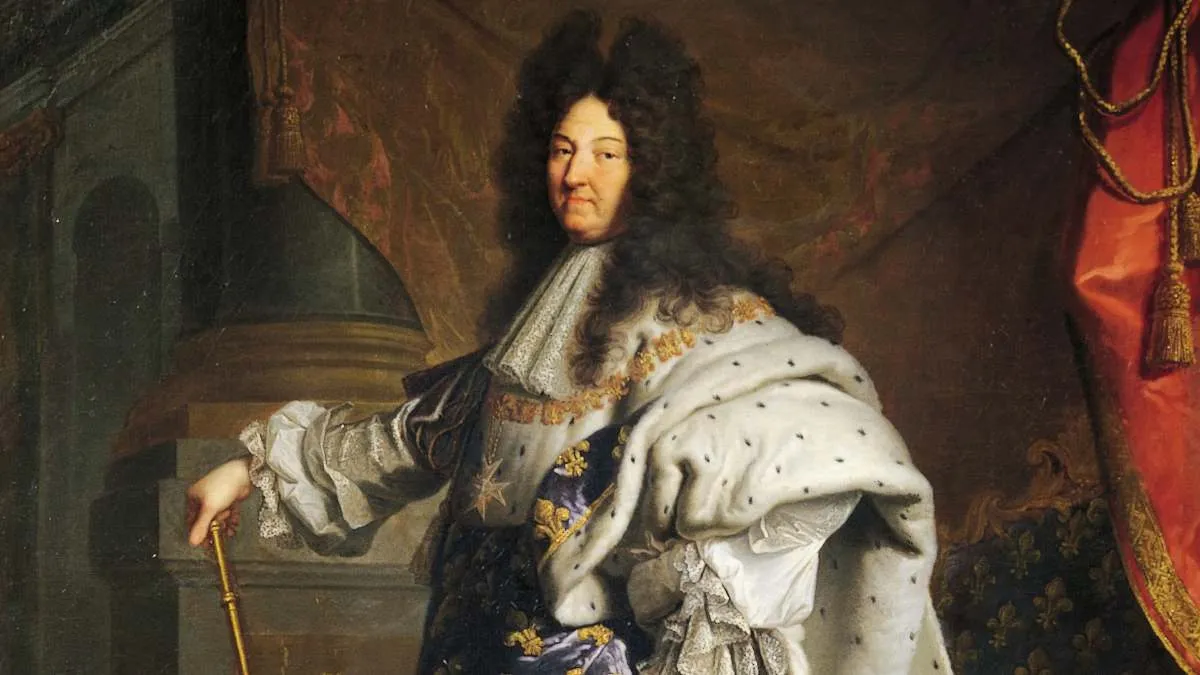
Kings throughout history have been remembered not only by their names, but also by the titles they carried as the monarch and king. The titles of these kings were representative of their power and governance over the lands during their reigns.
A king that most would think of would be the king whose reign defined the highest point of absolute monarchy due to a level of political control and cultural growth that influenced the entire continent of Europe.
By reading the title of this historical figure one can understand how the combination of leadership and symbolism worked together to create one of the best known and long lasting legacies of any king or queen in history.
Check Out: Difference Between King and Emperor
Which King Was Called the Sun King?

King Louis XIV was known as the Sun King. He is one of the most renowned of all European monarchs.
Château de Versailles confirms his remarkable record as the longest reigning monarch in European history, a position that he obtained by ruling for 72 years (1643-1715).
His reign marked the height of absolute monarchy in France, and he ultimately became an icon for both royalty and strength.
Louis XIV is best remembered for the transformation of Versailles from a hunting lodge into a regal residence that became the political, artistic and cultural seat of French society.
Under his rule, France rose to prominence as a leading military and cultural nation in Europe. Louis XIV's influence in the realm of politics was matched only by his artistic influence, as evidenced by his many contributions to the arts, style and architecture, which represented the extent of his absolute power.
Why was Louis XIV called the Sun King?
Louis XIV of France adopted the title "Sun King" due to his belief that he was the focal point around which the French state revolved, just as the sun is the central body of our solar system.
He believed that, as sovereign of France, he was the giver of life and energy to his people. This concept of "royalty" was a reflection of the king's desire for absolute control over the monarchy and all areas of his kingdom.
Louis XIV centralized government and authority by taking direct control of the Nobility, forcing them to be subservient to the crown and therefore the king, and supporting artistic creation, which resulted in France becoming the cultural center of Europe under King Louis XIV.
The title "Sun King" displayed the king's grandeur and majesty, and allowed for the interpretation of the king as a ruler whose brilliance illuminated the entire kingdom.
Check Out: Who Was the First King to Unite North and South India?
What is King Louis XIV famous for?
The legacy of Louis XIV (1643 to 1715) has established him as a powerful, influential European monarch.
The king of France established the concept of absolute monarchy, which removed all political power from the nobility and centralised the power into one individual.
According to UNESCO World Heritage Centre, King Louis XIV is also known for turning the Château de Versailles from a hunting lodge into an extravagant palace that would serve as the seat of royal authority and politically, culturally, and artistically represent French superiority.
Louis XIV was instrumental in making France a world cultural and military power with advances in literature, music, architecture, and painting.
His reign of over 72 years has impacted how France is governed, and how the French are perceived by the world today, therefore he will always remain one of history's greatest kings.
Conclusion
King Louis XIV's rule has become synonymous with the idea of absolute monarchy and opulence, as well as an unparalleled legacy of artistic achievement.
The impact he had on French and European society through his contributions to political affairs, cultural products and buildings will carry forward in time as a subject of fascination for scholars and civilians alike.
Must Read:
Who was the First King to Issue Coins in India?



-1768293705019.jpg)


Comments
All Comments (0)
Join the conversation