
Key Points
- Established May 15, 1986, Kutch spans 7,506 sq km in Gujarat.
- Protects Greater Flamingos, Indian wild ass, and desert fox.
- Jim Corbett, est. 1936, is India's oldest wildlife park.
India has beautiful landscapes and various ecosystems. From the snowy peaks of the Himalayas to the tropical forests in the south, the country has over 570 wildlife sanctuaries.
These protected areas offer safe habitats for endangered species such as the Royal Bengal tiger and the Asiatic lion.
The journey of conservation began decades ago when Jim Corbett National Park became the oldest established park in 1936.
However, among these hundreds of reserves, one stands out due to its vast size. Do you know which is the largest wildlife sanctuary in India? In this article, we will look at the vast area that has earned this impressive title.
ALSO READ| Top 10 Wildlife Sancturies in India
Which is the largest wildlife sanctuary in India?
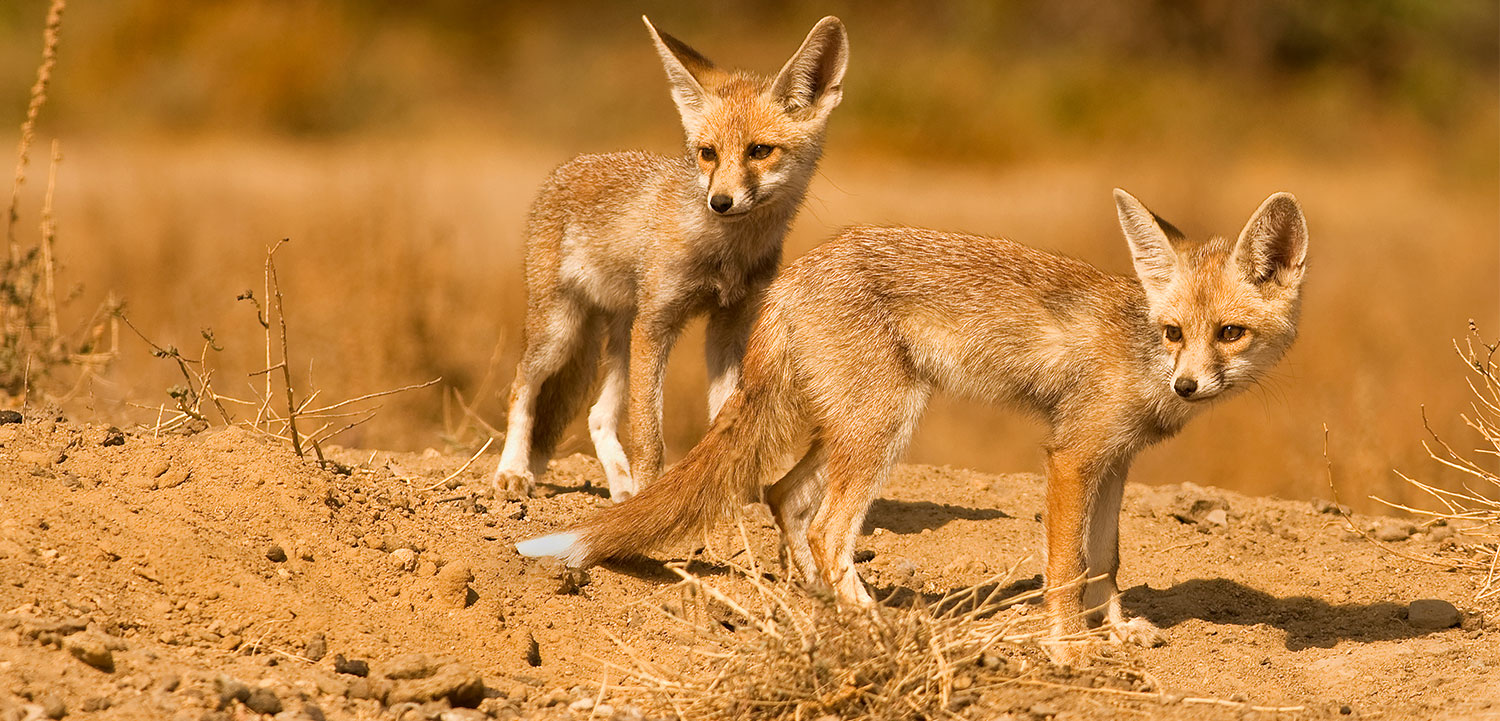
Source: Gujarat Tourism
The largest wildlife sanctuary in India is the Kutch Desert Wildlife Sanctuary, located in the Kutch district of Gujarat. Established on May 15, 1986, this massive protected area spans approximately 7,506 square kilometres.
It is uniquely situated in the Great Rann of Kutch, a vast seasonal saline wetland that transforms into a stark white salt desert after the monsoon rains.
The sanctuary was primarily created to protect the nesting grounds of the Greater Flamingo, but it also serves as a vital habitat for diverse fauna like the Indian wild ass, desert fox, and spiny-tailed lizard.
Note: The nearby Indian Wild Ass Sanctuary in the Little Rann of Kutch which specifically protects the endangered Khur is also added in the list of the largest wildlife santuries in India. Other large reserves, such as Rajasthan’s Desert National Park and Assam’s Manas, show the impressive size and diversity of India’s protected ecosystems.
5+ Lesser-known facts about Kutch Desert Wildlife Sanctuary
- It is the only place in India where Greater Flamingos (Phoenicopterus roseus) are known to breed regularly in the wild, specifically at a site called "Flamingo City".
- The sanctuary contains well-preserved Mesozoic fossils of dinosaurs, crocodiles, and whales, along with fossilised forests dating back to the Jurassic and Cretaceous periods.
- The world-famous archaeological site of Dholavira, a 5,000-year-old city of the Indus Valley Civilisation, is located within the sanctuary on Khadir Bet.
- The flora consists of specialised halophyte plants that have evolved to survive in high-saline soil by excreting salt through their leaves.
- The sanctuary houses Kala Dungar (Black Hill), which is the highest point in the Kutch region, reaching an elevation of 438 metres.
- Scientifically, it is a "seasonal wetland"; from July to September, it stays submerged in 0.5 to 1.5 metres of water, turning into a true saline desert by late winter.
FOR YOU| What is the Difference Between a Wildlife Sanctuary and a National Park?
Which are the Top 5 Wildlife Sanctuaries in India?
India’s top sanctuaries are known for their unique species and large landscapes. Key highlights include Jim Corbett in Uttarakhand, known for Bengal tigers. Kaziranga in Assam is home to two-thirds of the world's one-horned rhinos.
Gir in Gujarat is the last refuge of Asiatic lions. Sundarbans in West Bengal is the largest mangrove forest in the world. Periyar in Kerala is noted for its wild elephant herds and beautiful lake.
Which is the Smallest Sanctuary of India?

Source: Flickr
The Mayureshwar Wildlife Sanctuary in Maharashtra is known as the smallest in India, covering only 5.14 square kilometres. It is situated in the Pune district and is famous for its population of Indian Gazelles, or Chinkara.




Comments
All Comments (0)
Join the conversation