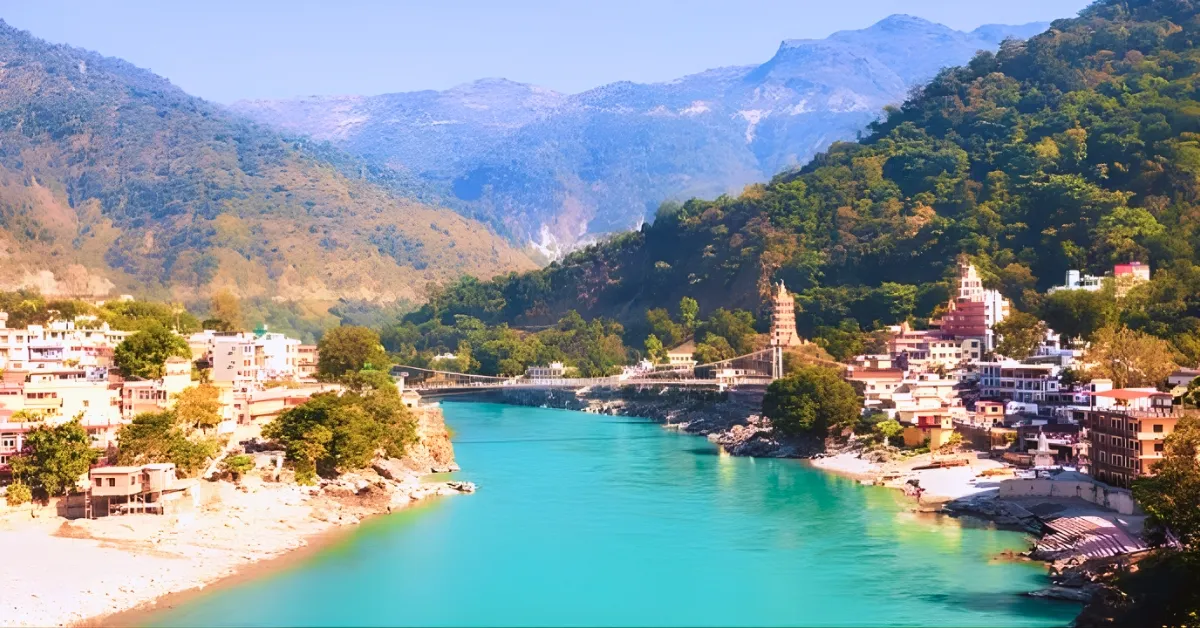
India is a land shaped by its rivers. There are over 400 rivers in the country. These rivers collectively form 20 major river basins. The Ganga is arguably the most important of them all. Is the Ganga the largest river in India by water volume? Yes, it is. Is it the longest river in India? No, that title belongs to the Brahmaputra (within India). However, it is the longest river originating in India. The Brahmaputra is often considered the widest river in India. Rivers are given different names across their journey. The Ganga itself is known as the Bhagirathi at one point. The Yamuna is called 'Jamuna' in Bangladesh. But do you know which glacier is the source of the mighty Ganga? This specific glacier is the largest in the Garhwal Himalayas. It spans nearly 30 km². In this article, we'll take a look at the source and majestic journey of the River Ganga.
ALSO READ| Which River Is Known As The Lifeline Of India?
Which Glacier Is The Source Of the Ganga River?

The source of the River Ganga is the Gangotri Glacier in the Uttarkashi district of Uttarakhand, India. This massive glacier is located high in the Garhwal Himalayas. The meltwater comes out from the glacier's snout, an ice cave called Gaumukh, and is initially known as the Bhagirathi River. The Bhagirathi flows down the mountains until it meets the Alaknanda River at Devprayag, where the river is officially named the Ganga.

The Ganga then flows through the plains of Uttarakhand, Uttar Pradesh, Bihar, and Jharkhand before entering West Bengal. In West Bengal, it splits, and its mainstream enters Bangladesh as the Padma, eventually joining the Brahmaputra River to form the massive Ganges-Brahmaputra Delta before emptying into the Bay of Bengal.
IN CASE YOU MISSED| Which River is Known as the Lifeline of South India?
10 Scientific Facts About the Ganga River

- The Ganga possesses a unique self-purifying quality attributed to a very high concentration of bacteriophages. These are viruses that specifically attack and destroy harmful bacteria, such as those that cause cholera.
- The Gangotri Glacier has been receding since 1780, with the rate of retreat accelerating since 1971, averaging about 22 metres per year. This retreat is a significant concern for the river's long-term water flow.
- The river water contains over 1,100 types of bacteriophages. These phages can eliminate germs up to 50 times faster than their own numbers would suggest.
- The Ganga's self-cleaning mechanism leads to dissolved oxygen levels up to 25 times higher than in other rivers. This high oxygen content helps in breaking down organic pollutants.
- Geologists estimate the Ganga River system is over 50 million years old. This means it predates the final uplift of the Himalayas.
- The Ganga River Basin drains an area of over 1 million square kilometres, about one-fourth of India's total land area. This basin supports one-third of India's population.

- The high mineral content of the river water, due to its Himalayan origin, gives it a measurable degree of hardness. This mineral richness is also why the water is less prone to stagnation.
- The Ganges-Brahmaputra Delta, formed where the Ganga (Padma) and Brahmaputra (Jamuna) rivers meet, is the largest river delta in the world. This delta is a massive, highly fertile, and dynamic landscape.
- A stretch of the Upper Ganga River from Brijghat to Narora is officially designated as a Ramsar Wetland of International Importance. This protects the river stretch and its diverse ecosystem.
- Scientists have detected deposits of black carbon on the Gangotri Glacier. These dark particles absorb more heat, which hastens the rate at which the glacier melts.
FOR YOU| Which River Is Known As Dakshin Ganga?
Which Glacier Is The Source Of The River Gori Ganga?
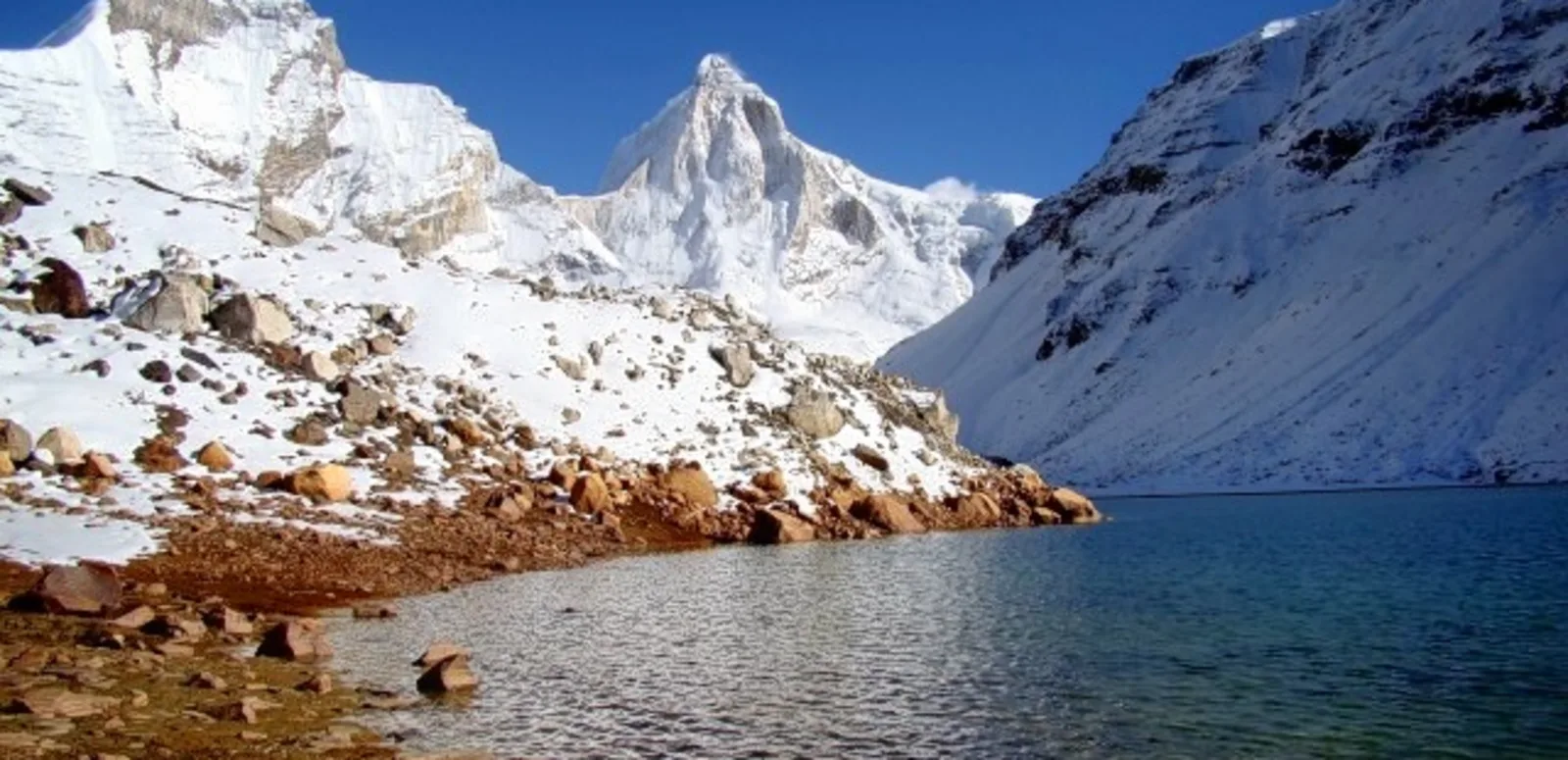
The source of the River Gori Ganga is the Milam Glacier. This large glacier is situated in the Pithoragarh district of the Kumaon Himalayas in Uttarakhand, India. The Gori Ganga flows through the picturesque Johar Valley, and the river is named after the white colour (Gori means white/fair) of the silt it carries. The river then joins the Kali River at Jauljibi on the India-Nepal border.
Which Glacier Is The Source Of The Kali Ganga?
.jpg)
The Kali Ganga, also known as the Kali River or Sharda River, is formed by the confluence of several streams. Its primary source is the streams originating from the Kalapani area in the Pithoragarh district of Uttarakhand. These headwaters are fed by numerous small glaciers and springs in the high Himalayan region. The river forms a significant part of the border between India and Nepal.
Which River Originates From The Tipra Glacier?

The river that originates from the Tipra Glacier is the Pushpawati River. This glacier is located near Rataban Peak in the Garhwal Himalayas of Uttarakhand. The Pushpawati River is famous for flowing through the spectacular Valley of Flowers National Park, a UNESCO World Heritage Site. It later joins the Bhyundar Ganga to become the Lakshman Ganga, which eventually merges with the Alaknanda River at Govindghat.
WHAT'S NEXT| Which River is Known as the Lifeline of Jammu and Kashmir?



Comments
All Comments (0)
Join the conversation