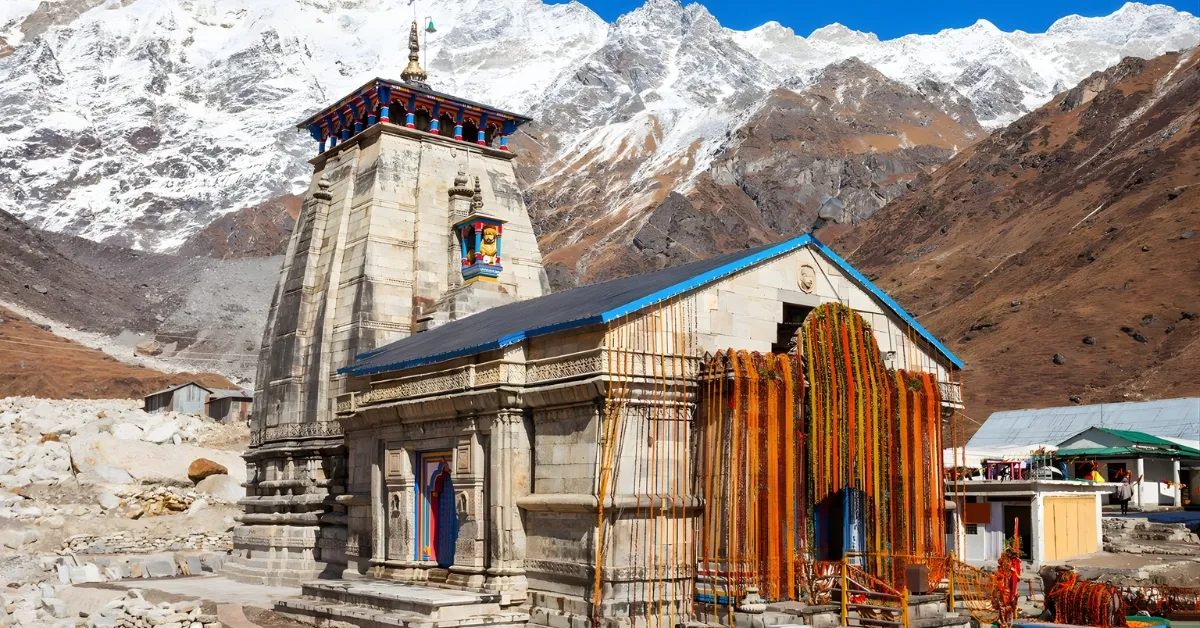
Key Points
- Ancient texts refer to Garhwal as Kedarkhand and Kumaon as Manaskhand.
- Uttarakhand was formed from Uttar Pradesh on November 9, 2000, as Uttaranchal.
- The name officially changed to Uttarakhand on January 1, 2007.
The history of India has deep ancient roots. If you look back, the cities and states we know now had different names, each one carrying a piece of the past: stories about who ruled, what people believed, and how they lived.
Take Prayagraj, for example; People called it Allahabad for a long time, but if you dig into old texts, you'll find the name Prayag. Bengaluru is another name everyone used to call it, Bangalore. And Chennai? That was Madras not so long ago. These old names stick around, reminding us how things change, but the past never really disappears.
But what about the beautiful "Land of the Gods" in the north? Do you know what the ancient name of Uttarakhand is? In this article, we will look into the interesting history of this state. We will also discover the name it had for many years before it became what it is today.
WHAT'S NEXT| What Was The Old Name Of Bihar?
What Is The Old Name Of Uttarakhand?
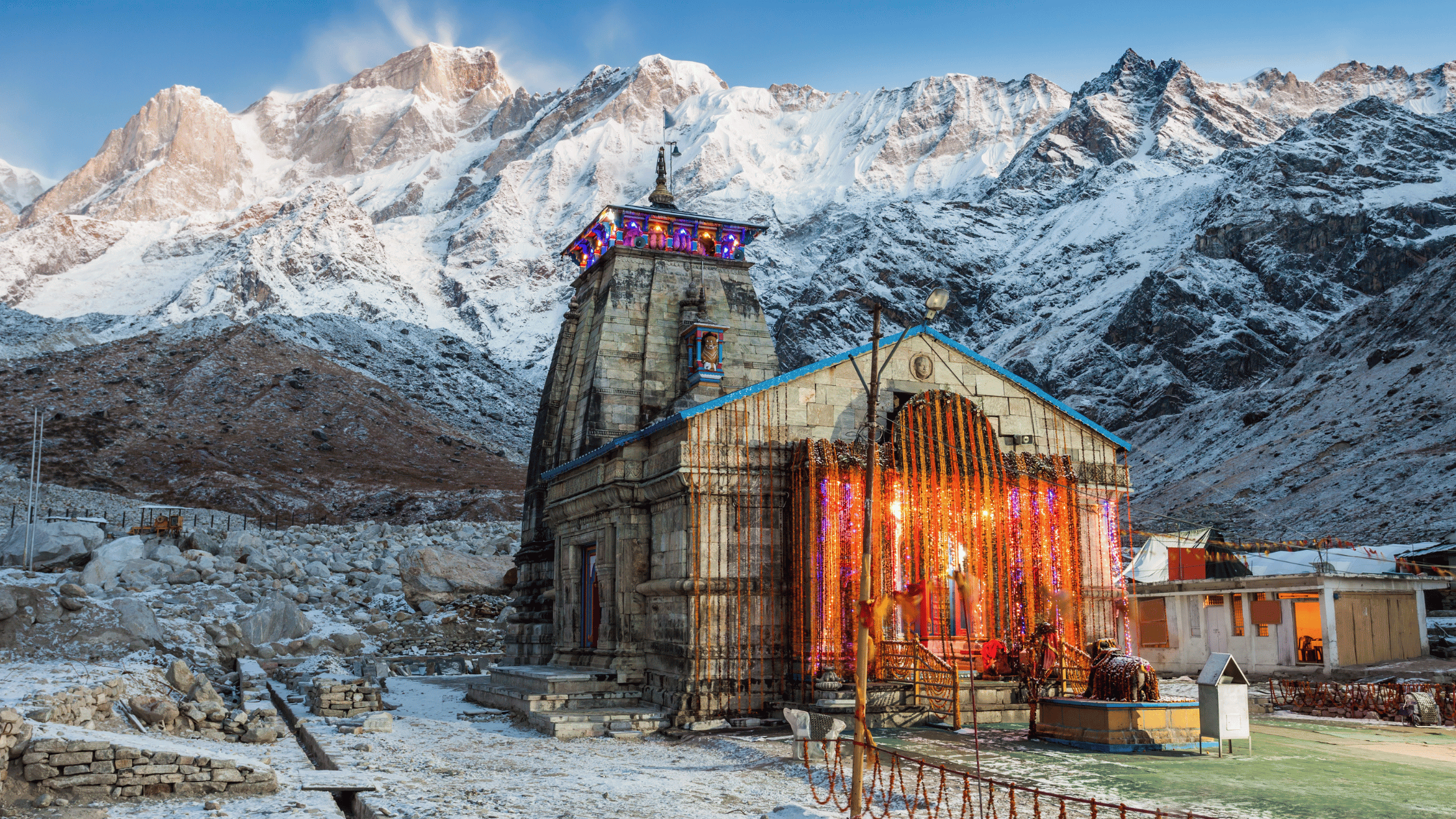
Before it became the state we know today, Uttarakhand had several names that show its rich spiritual and political history.
- In ancient Hindu texts such as the Skanda Purana, the region was divided into several parts. The western area, the Garhwal, was called Kedarkhand, whereas the eastern section, the Kumaon, was known as Manaskhand.
- Additionally, ancient texts mention Uttarakhand as Uttarkuru in the Aitareya Brahmana and Himvant in Buddhist literature. People often call it Devbhumi, which means Land of the Gods.
- On November 9, 2000, Uttarakhand was separated from Uttar Pradesh and officially became a state named Uttaranchal. The central government at that time chose this name.
- However, on January 1, 2007, the name was officially changed to Uttarakhand. The reason behind the change of name from 'Uttaranchal' to 'Uttarakhand' was to honour the ongoing requests from the local people and activists from there.
- They believed that "Uttarakhand" suits more than Uttaranchal since the name translates to Northern Land, more accurately representing their historical and cultural identity.
DON'T MISS| What Was the Old Name of Sri Lanka?
10+ Lesser-Known Facts About Ancient Uttarakhand

- Science shows that the Himalayan rocks here contain marine fossils, proving this high-altitude land was once the floor of the ancient Tethys Ocean.
- The Himalayas in Uttarakhand are among the world's youngest mountain systems, still growing at a rate of nearly 5 cm per year.
- Long before modern democracy, ancient Uttarakhand was home to small self-governing republics known as Janapadas.
- Tungnath, located in Rudraprayag, is the highest Shiva temple in the world and is over 1,000 years old.
- The Ashokan Rock Edict in Kalsi, Dehradun, shows that the Mauryan Emperor's influence extended into these mountains by the 3rd century BC.
- Ancient texts and modern science agree that the region's high-altitude herbs, such as Brahma Kamal, possess unique survival adaptations and healing properties.
- The name "Garhwal" actually comes from the 52 "Garhs" (fortresses) that independent local chieftains once ruled.
- Local tradition holds that Sage Vyasa composed the Mahabharata in a cave in Mana, the last village of India.
- The Valley of Flowers is a UNESCO World Heritage Site where the unique microclimate supports over 500 species of wildflowers.
- Uttarakhand is called the "Water Tower of India" because it is the birthplace of the Ganga and Yamuna, two of the world's most important river systems.
- Excavations show that the ancient Kuninda dynasty traded salt and gold with Tibet as early as the 2nd century BC.
YOU MIGHT LIKE| What Was the Old Name of China?
What Is The Full Name Of Uttarakhand?

The full name of the state is the State of Uttarakhand. It was created from Uttar Pradesh on November 9, 2000, and was initially called Uttaranchal. However, due to a strong public campaign to acknowledge the region's historical identity, the name was officially changed to Uttarakhand on January 1, 2007. The name comes from the Sanskrit words Uttara (North) and Khand (Land).
Does Uttarakhand Have Two Capitals?

Yes, the State of Uttarakhand has two official capitals, which were chosen to balance the administration between the plains and the hills.
Dehradun is the winter capital and acts as the main administrative and educational centre. Whereas Gairsain, specifically the Bhararisain area, was officially designated as the summer capital in 2020.
MUST READ| What was the Old Name of Delhi?
What Is The Common Name Of Uttarakhand?
The State of Uttarakhand is known as the "Land of Gods" or "Devbhumi" in Hindi. This name comes from ancient texts and shows the state's spiritual importance. People also call it the "Cradle of the Himalayas" or the "Water Tower of India" because it is the source of India's most sacred rivers, the Ganga and Yamuna.
What Is Uttarakhand Famously Known As?
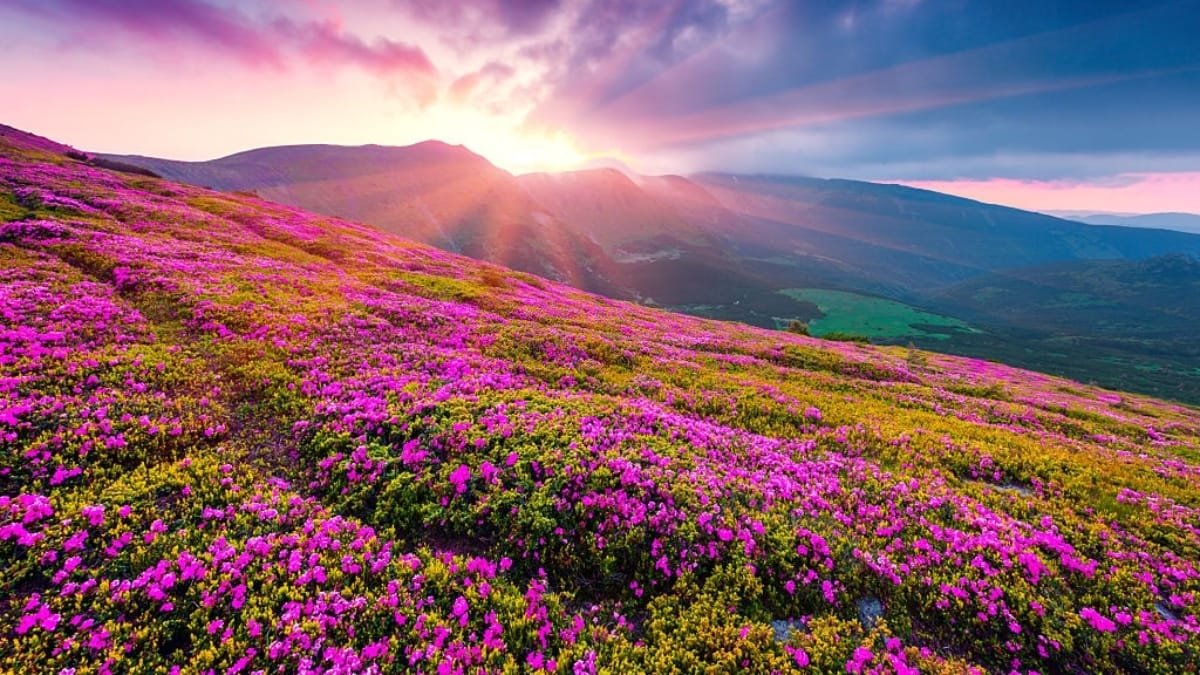
Uttarakhand is often referred to as the "Spiritual Gateway of India" by many. The State of Uttarakhand draws in pilgrims from across the world every year for the Char Dham Yatra (four holy shrines): Yamunotri, Gangotri, Kedarnath, and Badrinath.
Addedly, Rishikesh has earned the title of the "Yoga Capital of the World", and the Valley of Flowers has been included in the UNESCO World Heritage Site, which is famous for its unique alpine plants.
What Is The Traditional Language Of Uttarakhand?
In Uttarakhand, Garhwali and Kumaoni are spoken mostly by these two main regional groups. Hindi serves as the official language for administration and education.
Uttarakhand stands out as the first Indian state to recognise Sanskrit as its second official language. Other local dialects, such as Jaunsari, are spoken by tribal communities in the western part of the state.
WHAT'S NEXT| What Was the Old Name of Iran?



-1767073462439.jpg)
-1768241794469.jpg)
-1768222025659.jpg)
Comments
All Comments (0)
Join the conversation