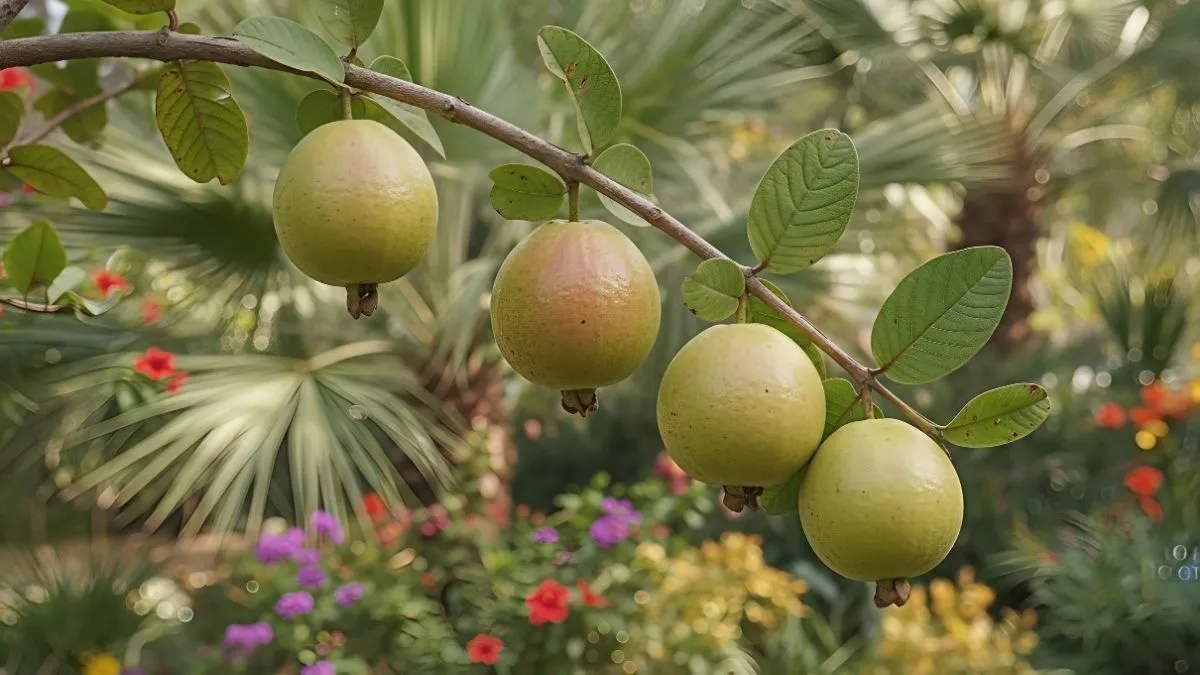
Scientific name of guava: Did you know guavas are infamous as the Apple of the Tropics? Not just that, its nutritional values make it more than just a seasonal snack.
The guava fruit is very important to the world's agricultural economy and is also high in vitamin C. India is the biggest producer in the world right now, making up more than 45% of the total.
Apart from the facts about the guava fruit you learnt just now, it becomes more important to know what is the scientific name of the guava, if you are a student who wants to appear for competitive exams. It becomes inevitable to know what kind of plant this fruit comes from.
Therefore, this guide to the scientific name for guava tells you the basics of taxonomy, where guava comes from, and the different types that every curious person and student should know to stay ahead in their studies and general knowledge.
What is the Scientific Name of a Guava?
Guava is scientifically known as Psidium guajava. The genus name Psidium comes from the Ancient Greek word "psidion," which means "pomegranate." The "L." often seen after the name stands for Carolus Linnaeus, the father of modern taxonomy, who first officially described the plant. This evergreen shrub is prized globally for its edible fruits and medicinal leaves.
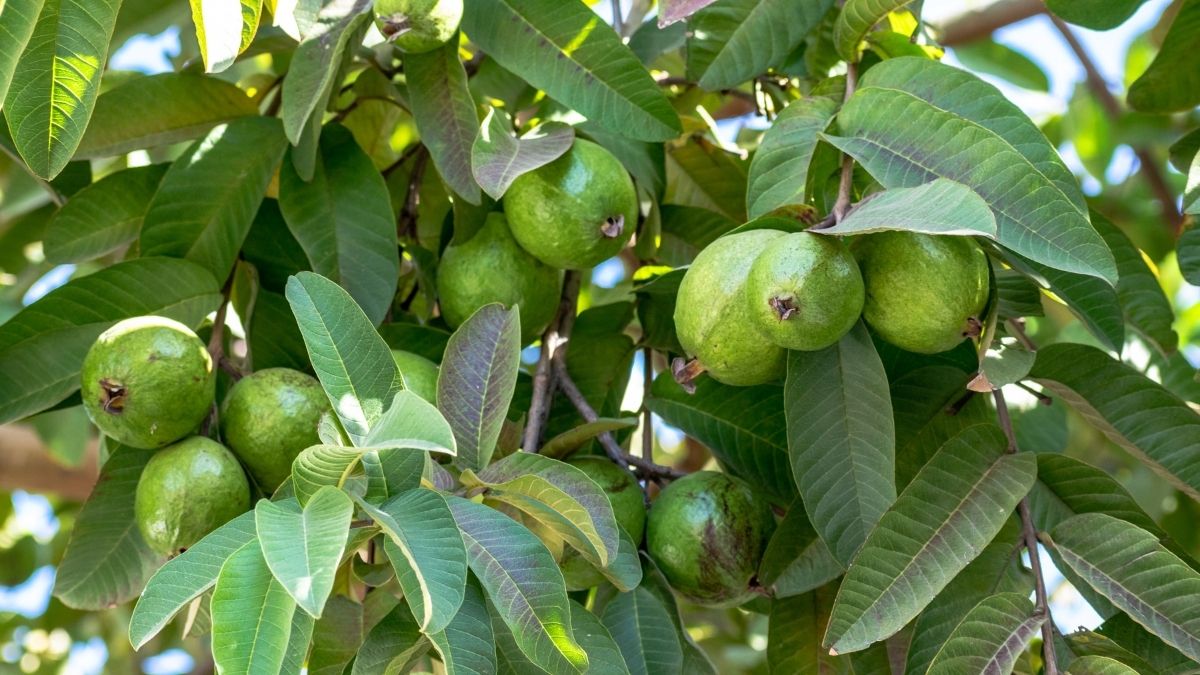
A Guava tree laden with fruit.
Do You Know - What is the Scientific Name for the Banana?
What is the Family of Guava?
The guava's scientific name places it within a very distinguished plant family. Knowing how to classify it helps you figure out what it is and what other species are related to it.
-
Kingdom: Plantae
-
Order: Myrtales
-
Family: Myrtaceae (The Myrtle family)
-
Genus: Psidium
-
Species: P. guajava
The Myrtaceae family is quite large, containing over 5,000 species. Interestingly, the family of guava also includes other well-known plants such as Eucalyptus, Cloves, and Allspice. Most plants in this family are characterized by their woody stems and essential oils found in the leaves.
Also Read - What is the Scientific Name of Lemon?
What is the Origin History of Guava?
The origin of the guava can be traced back to the tropical regions of Central America, Mexico, and northern South America. Archaeologists have found evidence of guava seeds in Peruvian sites dating back thousands of years.
From its guava origin in the Americas, the fruit was spread globally by Portuguese and Spanish explorers during the 16th century.
Today, there are over 30 distinct species within the Psidium genus, though only a few are commercially significant. Below is a breakdown of the most common types:
Common Guava Types and Their Details
| Common Type | Scientific Name | Primary Region | Status |
| Apple Guava | Psidium guajava | Global Tropics (India, Brazil) | Most Cultivated |
| Strawberry Guava | Psidium cattleianum | Brazil / Hawaii | Invasive in some regions |
| Pineapple Guava | Acca sellowiana | South America / NZ | Ornamental & Edible |
| Costa Rican Guava | Psidium friedrichsthalianum | Central America | Wild/Local Market |
Find Out - What is the Scientific Name of Tulsi?
The scientific name guava (Psidium guajava) represents a bridge between ancient tropical history and modern health science. As demand for organic superfoods grows, the guava remains a staple in both diet and industry. Recent pharmacological studies have even highlighted guava leaf extract as a potential breakthrough in managing blood glucose levels in diabetic patients.


-1777381970313_t.webp)

-1777379649512_t.webp)