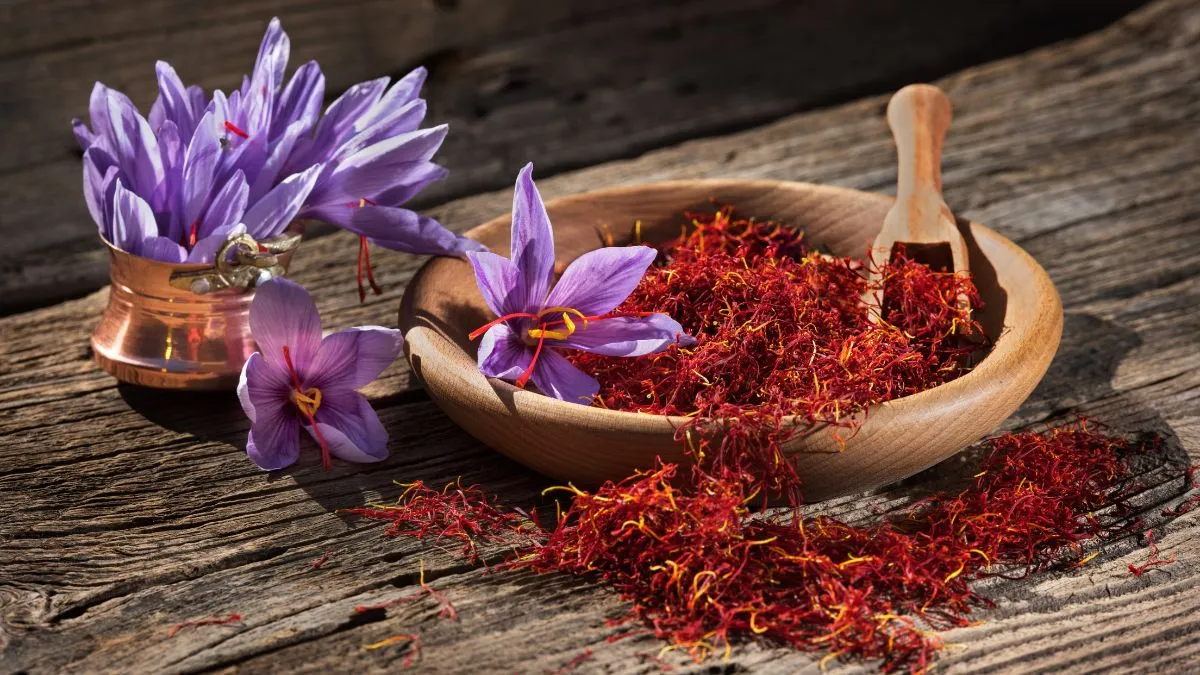
Red Gold: Saffron is known as the Red Gold because of its intense red colour, exceptionally high market price, rarity, labour-intensive cultivation, and powerful aroma. Its value per gram can exceed that of many precious metals, making it one of the most valuable agricultural products in the world.
Why Is Saffron Called the Red Gold?
Saffron is called Red Gold because it is produced from the delicate stigmas of the Crocus sativus flower, with each flower yielding only three threads. The entire harvesting process is done by hand, requiring precision, skill, and time. Its colouring strength, medicinal value, and limited supply further justify its golden status.
Origin and History of Saffron
Saffron has been cultivated for more than 3,000 years and was treasured by ancient civilisations such as Persia, Greece, Rome, and Egypt. It was used in royal cuisines, perfumes, dyes, and medicines. In India, saffron has deep historical roots and has long been associated with luxury, healing, and spirituality.
Nutritional and Medicinal Value of Saffron
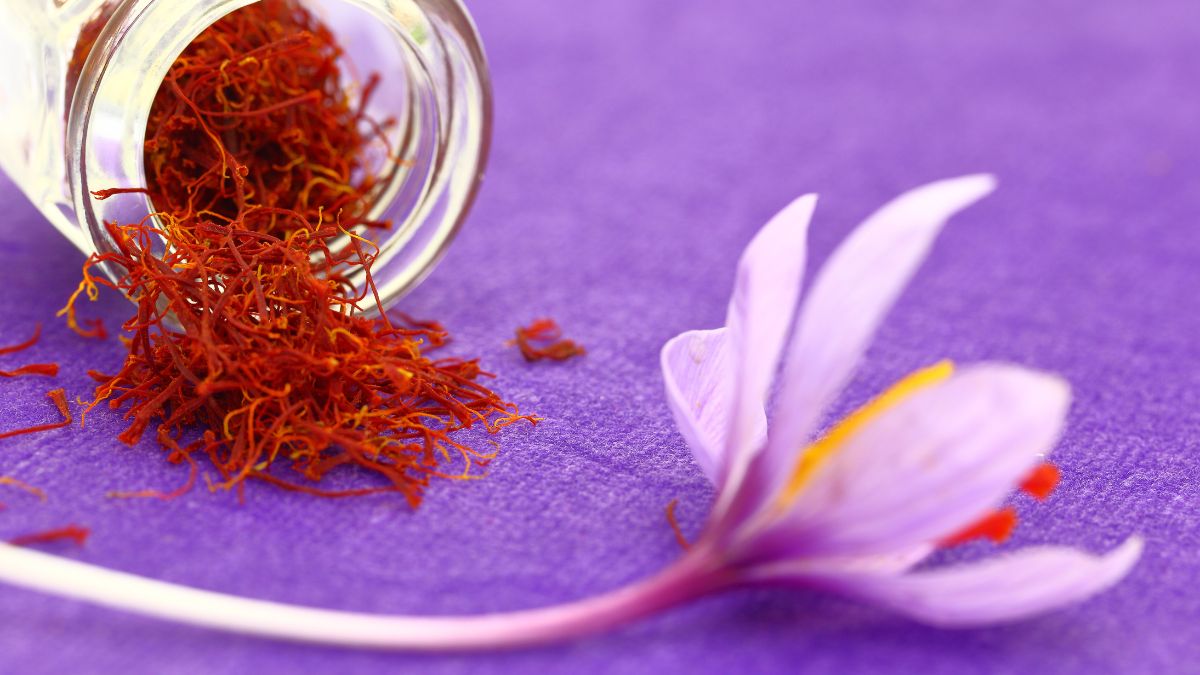
Saffron contains bioactive compounds like crocin, crocetin, safranal, and picrocrocin, which give it antioxidant, anti-inflammatory, and mood-enhancing properties. It is known to improve digestion, support mental health, boost memory, promote heart health, and enhance skin glow. Traditional medicine systems highly value saffron for its therapeutic benefits.
Largest Producer of Saffron in the World
Iran is the largest producer of saffron in the world, contributing the majority of global output. The country’s dry climate, low rainfall, and suitable soil conditions support large-scale saffron cultivation and consistent quality.
Largest Producer of Saffron in India
In India, Jammu and Kashmir is the primary saffron-producing region, with Pampore being the most famous saffron belt. Kashmiri saffron is globally recognised for its deep colour, strong aroma, high crocin content, and purity, and it holds a Geographical Indication (GI) tag.
Saffron Exports and Global Demand
Saffron is exported worldwide for use in food, pharmaceuticals, cosmetics, and perfumes. Due to limited production and growing demand, saffron commands premium prices in international markets and contributes significantly to agricultural export earnings.
Most Expensive Spice in the World
Saffron is the costliest spice globally because of its extremely low yield, high labour requirement and limited growing regions, making it more valuable than gold by weight in some markets.
Interesting Facts About Saffron
Extremely Low Production Yield
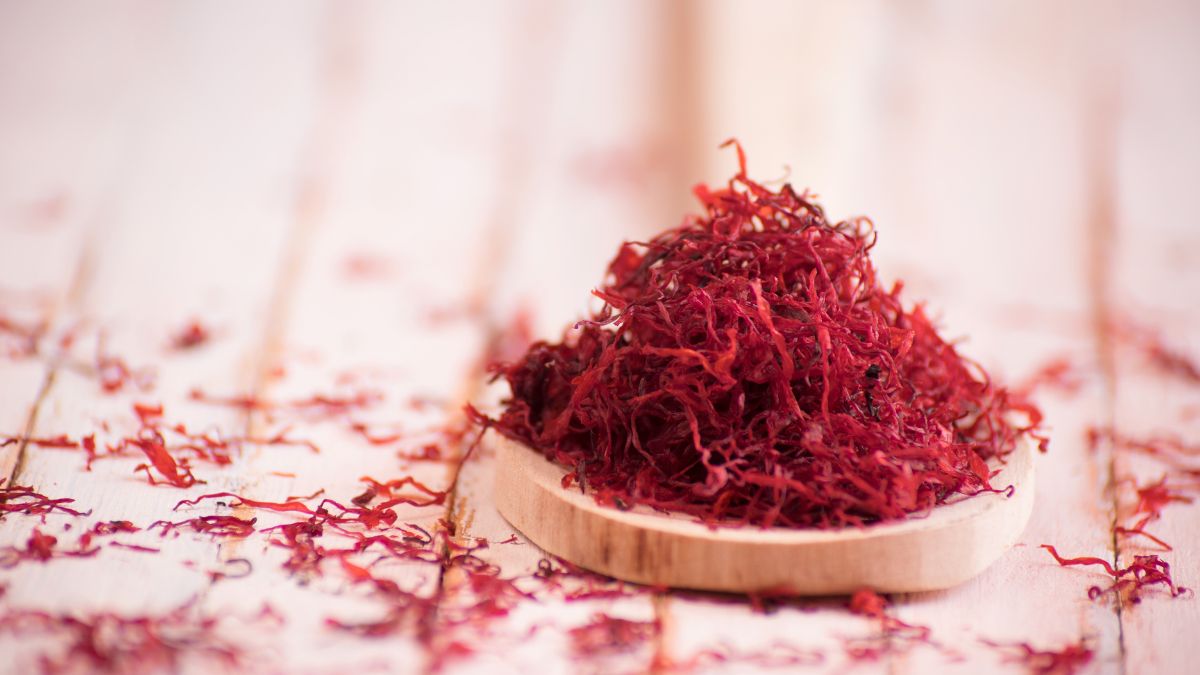
Around 150,000 saffron flowers are needed to produce just one kilogram of saffron, highlighting its rarity and high production cost.
Completely Hand-Harvested Crop
Saffron harvesting is done entirely by hand, often at dawn, to protect the delicate stigmas and preserve quality and aroma.
Strong Colouring and Flavour Power
A small number of saffron strands can impart a deep golden colour, rich aroma, and unique flavour to large quantities of food.
Used Beyond Culinary Purposes
Apart from cooking, saffron is widely used in traditional medicine, skincare products, luxury perfumes, herbal teas, and wellness supplements.
Short and Delicate Harvest Season
Saffron flowers bloom only once a year and last for just a few days, making the harvesting period extremely short and time-sensitive.
Read more: Which Spice Is Known as the Queen of Spices?
Saffron is known as the Red Gold. Historically, saffron was used by kings, queens, and nobles and even today it remains associated with luxury cuisine and premium products. Keep reading for more such topics.



-1766159625283.jpg)
-1766128662526.jpg)

Comments
All Comments (0)
Join the conversation