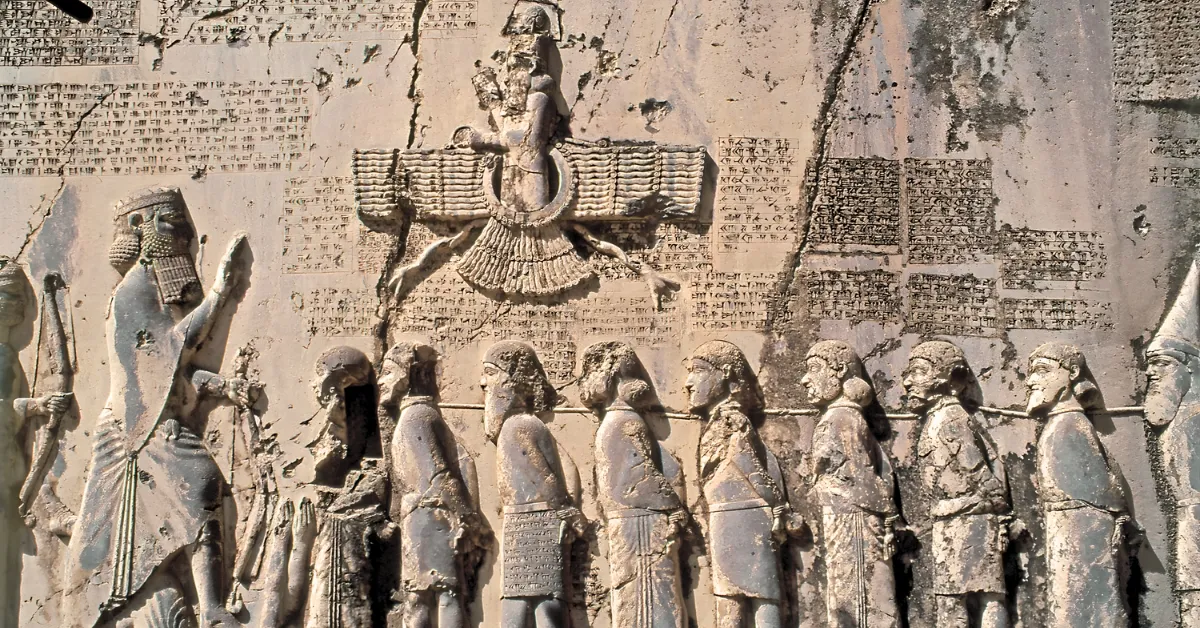
Humans have sought to understand existence since the earliest times. This quest led to the creation of texts exploring cosmology, morality, and the divine. These ancient texts, often called scriptures, were foundational for early societies. They served to unify communities, codify laws, and preserve oral traditions through written form. We have many surviving examples of these religious and philosophical documents. Texts from Hinduism, Zoroastrianism, and ancient Egypt, for example, offer deep historical insight. But determining the single oldest manuscript is a complex task. It requires careful dating of materials, translations, and historical context. Do you know which document holds the title? It is a collection of hymns that were passed down orally for centuries before being written down. In this article, we will take a look at the evidence to determine the oldest written scripture in the world.
ALSO READ| List of Top 10 Oldest Languages in the World (Still Spoken)
What Is The Oldest Written Scripture In The World?

The Rigveda is widely considered the oldest extant scripture in the world. Its composition phase, based on philological and linguistic evidence, is generally dated between 1500 and 1000 BCE in the northwestern region of the Indian subcontinent. It is a collection of 1,028 Vedic Sanskrit hymns (sūktas). The text was passed down orally for centuries with exceptional precision before being written down.
The oldest surviving manuscripts of the Rigveda date much later (Late Middle Ages) and are preserved in various forms, including collections at the Bhandarkar Oriental Research Institute in Pune, India. These specific Rigveda manuscripts were inscribed on UNESCO's Memory of the World Register in 2007, recognising their value as a foundational document in human history.
IN CASE YOU MISSED| Which is the Oldest Language in the World?
10+ Lesser-Known Facts About the Rigveda

- It was preserved for millennia using complex, rigorous memorisation techniques (pathas) to prevent any textual corruption.
- Its archaic language is crucial for linguists reconstructing Proto-Indo-European, the common ancestor of many European and Indian languages.
- The hymns show striking linguistic and thematic similarities to the Gathas of the Avesta, the oldest texts of Zoroastrianism in Iran.
- The hymns are organised into ten books (maṇḍalas) and employ precise poetic metres, such as Gāyatrī and Triṣṭubh.
- It contains early references to astronomical and calendrical concepts used to determine appropriate times for rituals.
- The text frequently references rivers (such as the Sapta Sindhu region) and rainfall, indicating a society deeply concerned with water resources and the environment.
- The entire collection contains approximately 10,600 verses (ṛc).
- The later books (Books 1 and 10) contain more philosophical and speculative hymns on the origin of the universe, a shift from the earlier books' focus on cosmology and rituals.
- The tradition of Vedic chanting was inscribed on UNESCO's List of the Masterpieces of the Oral and Intangible Heritage of Humanity in 2003.
- The oldest known complete manuscript is believed to date to the 15th century CE.
YOU MIGHT BE INTERESTED| List of 7 Oldest Rivers in the World
Who Wrote the RigVeda?
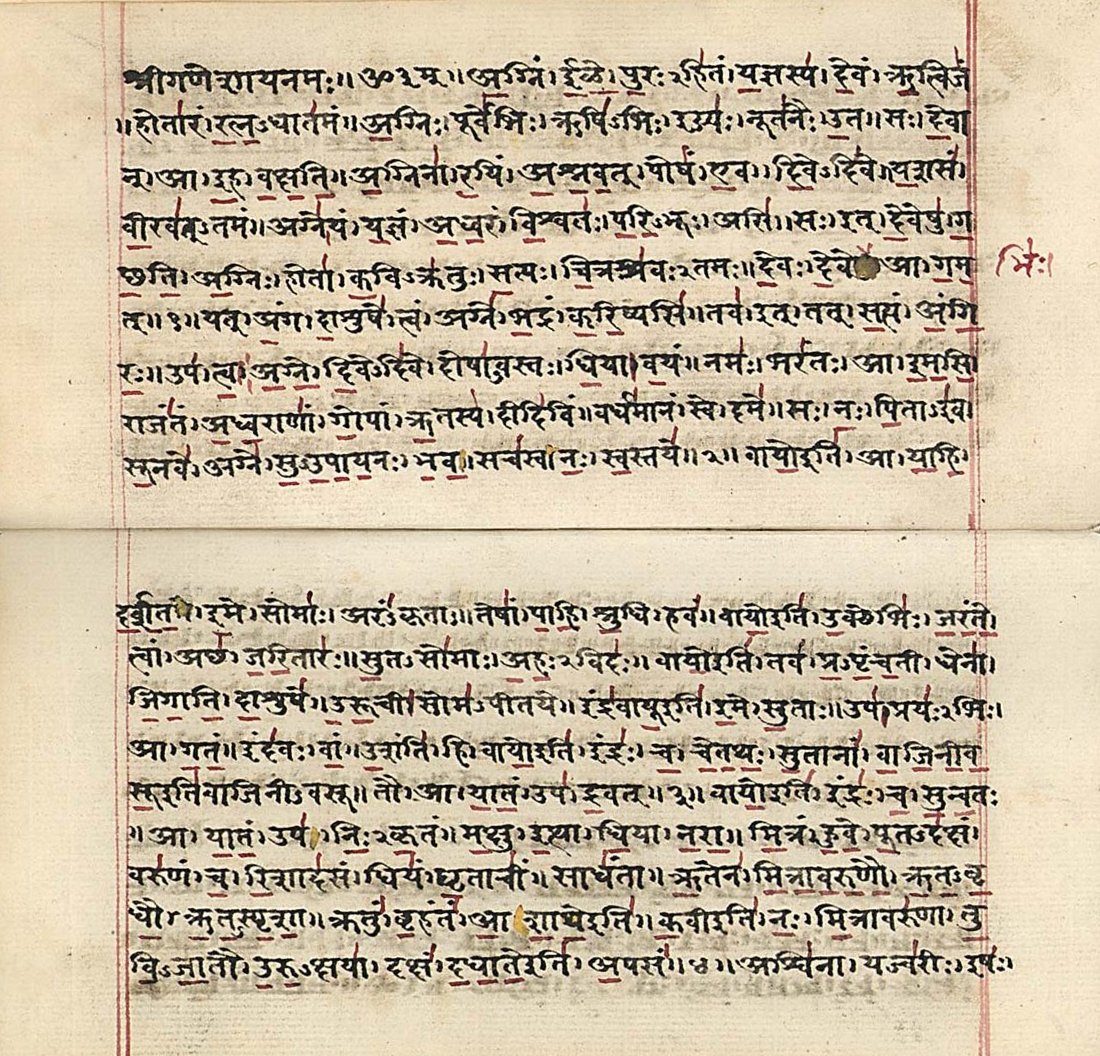
The Rigveda was not composed by a single individual but by a collective of ancient Indian poet-sages known as Rishis (seers). The names of these Rishis or their families are traditionally credited with the authorship of the different parts of the text, called Mandalas (Books).
Rishi Families: The core of the Rigveda (Mandalas 2 through 7), known as the "Family Books", is primarily attributed to six major families or clans of Rishis:
- Grtsamada (Mandala 2)
- Viśvāmitra (Mandala 3)
- Vāmadeva (Mandala 4)
- Atri (Mandala 5)
- Bharadvāja (Mandala 6)
- Vasiṣṭha (Mandala 7)
Later Contributors: Mandalas 1, 8, 9, and 10 contain hymns from various other Rishis and families, like the Kaṇva and Angirasas clans, and even some hymns attributed to female seers (Rishikas).
The hymns were not written down immediately; they were passed down through an exceptional and highly accurate oral tradition for many centuries before being committed to writing. The Rishis are credited with having "heard" or "seen" the eternal truths, which they then expressed in the form of these precise Vedic Sanskrit hymns.
WHAT'S NEXT| List of Top 7 Oldest Maps in the World
World's Oldest Written Scripture: The Rigveda (c. 1500–1000 BCE) is considered the world's oldest written scripture, composed orally by Rishis in Vedic Sanskrit before being written down. This collection of over 1,000 hymns provides deep insight into ancient society, language, and cosmology. Its unparalleled oral preservation and historical value have earned it UNESCO recognition.





Comments
All Comments (0)
Join the conversation