Earth’s First Starfleet NASA Artemis III Program: Crew Members, Mission Goals and Moon Landing Roadmap
NASA's Artemis III mission will land astronauts on the Moon's south pole to conduct scientific research, test spacecraft systems, and develop technologies critical for future human exploration of deep space.
-1781071876822.webp)
NASA's Artemis III is about to achieve key milestones, with the agency announcing information about crew selections, mission goals, and advancements made in advance of the upcoming moon missions. This program as some call it Earth's 1st Star Fleet will create a new breed of astronaut that will help to return humans back to the surface of the moon.
The mission will continue to do significant testing on major systems, including how well the spacecraft work and what capabilities the lunar landers will have, while also developing new processes needed for eventual exploration into deep space. The Artemis III mission represents an important achievement toward providing an ongoing human presence beyond Earth and establishing a permanent human presence on the moon.
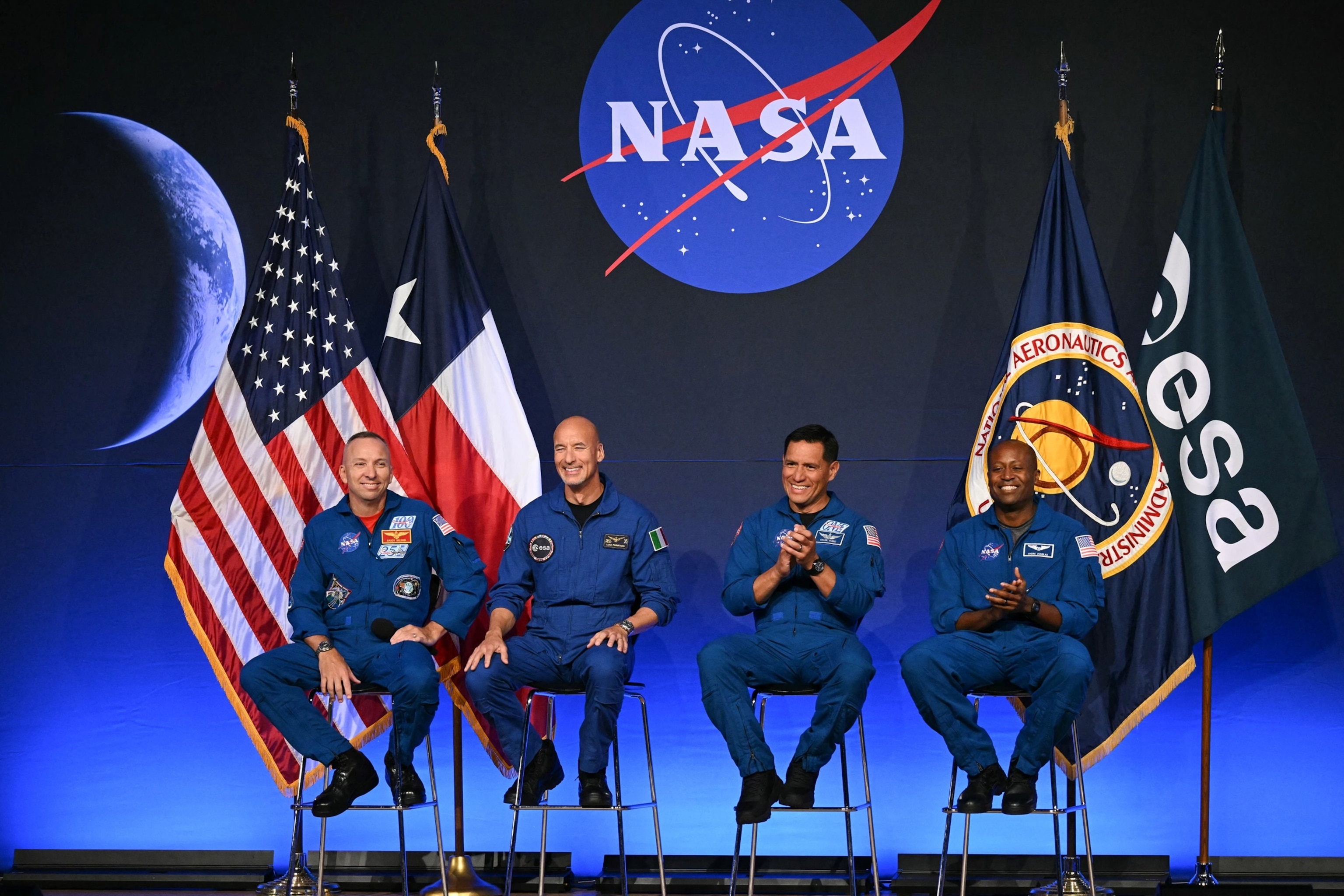
Who are the Crew Members?
-
As commander of Artemis III, Randy Bresnik, a NASA astronaut, will oversee and lead the crew for all phases of the flight operations and mission execution.
-
Luca Parmitano, an ESA astronaut, will pilot Artemis III and control the spacecraft and navigate while supporting all key flight operations throughout the mission.
-
Andre Douglas, a NASA astronaut, will be a mission specialist on Artemis III, contributing to technical operations and supporting the scientific objectives of the mission.
-
Frank Rubio, a NASA astronaut, will be a mission specialist on Artemis III, and he will fulfill mission support tasks and operational duties as well as provide support for the scientific work accomplished in orbit and during the lunar mission activities.
Mission Goals of NASA Artemis III Program
The Artemis era will have its first crewed lunar landing: The Artemis program aims to land humans on the Moon for the first time since the Apollo missions over 50 years ago.
The main goal of the mission will be to explore the Moon’s south pole. This is likely to include finding dark and possibly cold regions of the Moon that may contain water ice or other useful resources.
The Orion spacecraft and Human Landing System will be tested during this mission as they both will be used to get astronauts safely on and off the surface of the moon. The results of this testing will be included in the plans for future missions to the Moon and further development of technology and methods to eventually send humans to Mars.
During the mission, astronauts will conduct scientific experiments and collect lunar samples from the surface of the Moon. This will provide valuable information about how the Moon formed and what it is made of.
This mission is also an important step towards preparing for long-duration human habitation on both the Moon and Mars. The technology and methods developed during this mission will help develop the technologies and operations necessary to support long-term human exploration beyond Earth and send astronauts to Mars.
Moon Landing Roadmap of NASA Artemis III Program
Here are the steps explained for NASA Artemis III Program’s Moon Landing Roadmap:
1. Launching to Earth from the Ground
The SLS rocket will launch from the Kennedy Space Center, carrying Artemis III and its Orion spacecraft into Earth orbit before continuing to the Moon.
2. Operation in Low Earth Orbit
Once in low Earth orbit, the crew of Artemis III will conduct their post-launch checks to confirm that all systems on board the Orion are working properly prior to executing their trans-lunar injection burn.
3. Transit to the Moon
The crew of Artemis III will travel from low Earth orbit to the Moon's orbit where they will dock with the HLS to allow astronauts to descend to the Moon's surface.
4. Descent and Landing on the Moon
Two astronauts will descend from the HLS to the Moon's surface at the South Pole of the Moon and subsequently conduct the first crewed lunar landing of the Artemis program.
5. Researching the Moon's Surface
During their time on the Moon's surface, the crew will conduct scientific research and collect samples as well as perform technology demonstrations.
6. Returning from the Moon to Earth
The crew will return to Orion and then the Orion spacecraft will ascend to lunar orbit, return to Earth and then be prepared for reentry and splashdown.

Ayukta Zisha is an education journalist with over three years of experience in digital media. A graduate of St. Xavier’s College, she holds a Master’s degree in English along with a certification in Digital Marketing from IIT Delhi. Backed by a strong academic foundation in the humanities, she specializes in creating educational and general knowledge content across history, geography, literature, and current affairs. During her tenure at Jagran Josh, she worked extensively on U.S. news and global developments, curating informative and engaging content for a diverse readership. Her subject expertise and ability to simplify complex topics enable her to make complex information accessible to a wide audience. Beyond journalism, Ayukta is an avid reader and a published author.


