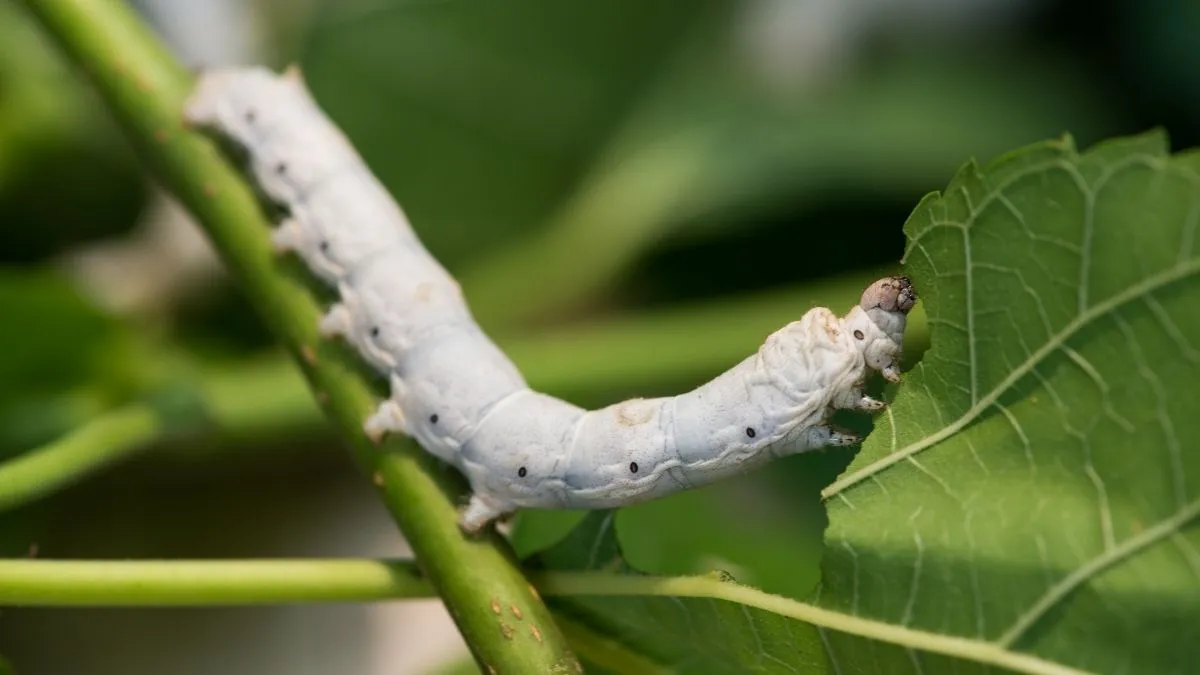
Key Points
- Leeches have 32 ganglia, enabling precise movement and attachment.
- Octopuses have 9 brains, allowing independent arm movement and sensation.
- Squids possess 3 brains, with optic lobes crucial for visual processing.
Animals with more than one brain: Humans have a single, central command center that helps them make sense of the world. In contrast, nature has come up with many more complicated ways to stay alive.
A distributed nervous system, where cognitive processing is spread across the body, allows certain animals with more than one brain to react faster and survive catastrophic injuries. For instance, the Giant Pacific Octopus utilizes a decentralized network where its arms can effectively think for themselves.
According to evolutionary biologists, these clusters of nerve cells, known as ganglia, function similarly to independent brains. This strange adaptation is more than just a biological oddity; it's how these animals with more than one brain have been able to live for millions of years.
List of Animals with more than One Brain and their Function
The following table ranks animals based on the number of distinct brains or major neural clusters (ganglia) they possess. While some are true brains, others are sophisticated ganglia that control specific body segments independently.
| Rank | Animal | Number of Brains/Ganglia | Key Function |
| 1 | Leech | 32 | Independent segment control |
| 2 | Silkworm | 11 | Sensory processing lobes |
| 3 | Octopus | 9 | Independent arm movement |
| 4 | Snail | 6 | Breathing and movement |
| 5 | Squid | 3 | Visual processing and coordination |
| 6 | Bumblebee | 3 | Antennae, wing, and stinger control |
| 7 | Cockroach | 2 | Survival without a head |
Check Out - List of Top 5 Animals that Live in Trees
1. Leech
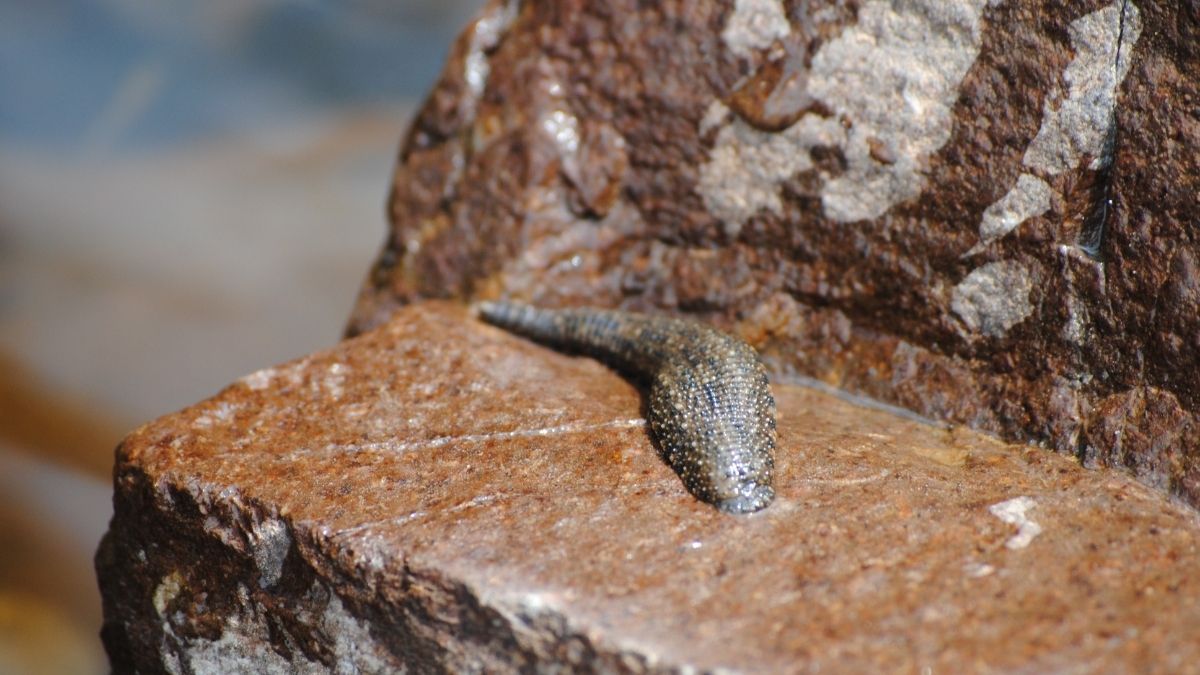
The leech is the animal with the most brains. People often find them disgusting because they are parasites, but their biological structure is very efficient.
A leech's body is made up of 32 separate parts, and each part has its own neuronal ganglionic mass, which is like a brain for that part. This lets the leech move and attach with amazing accuracy.
The 32 separate "brains" make sure that each part of the body can work on its own, even though there is one main ganglion that coordinates everything.
2. Silkworm
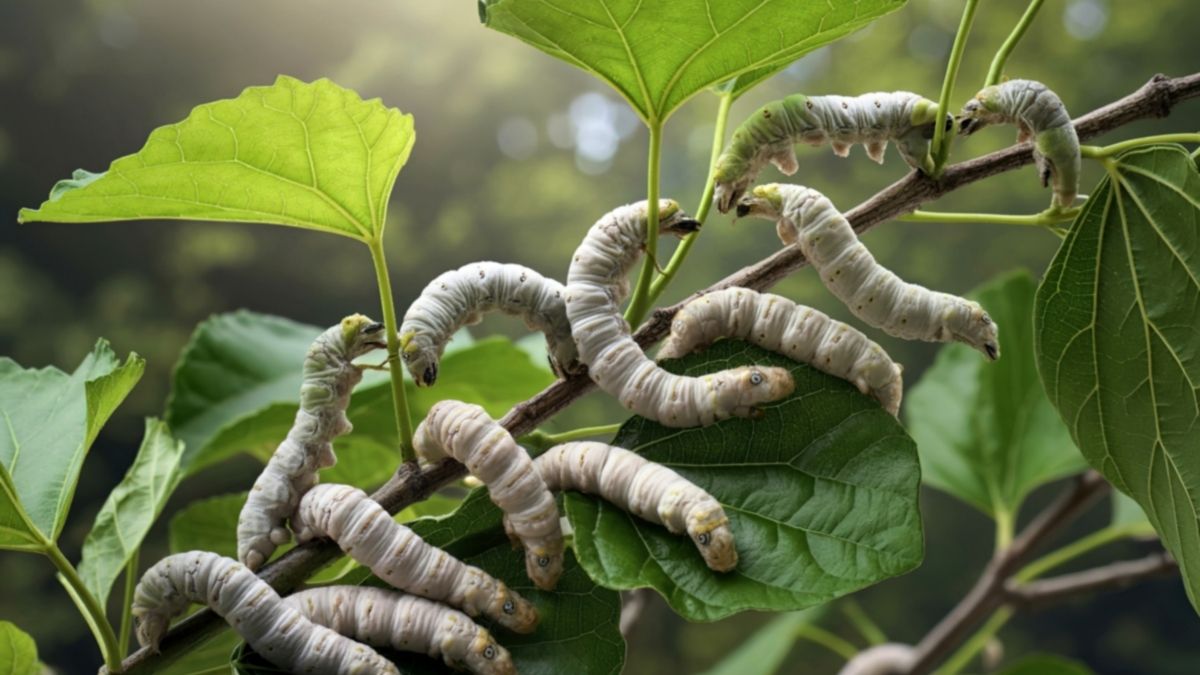
The silk moth's larval stage, the silkworm, is surprisingly complicated. These bugs have 11 different brain lobes (or ganglia clusters) that control their movement and senses.
This distributed neural network is very important for their survival because it helps them move around in their environment and find mulberry leaves by processing chemical signals.
There are a lot of neural clusters, which help them grow and change quickly. This makes sure that important functions keep working well as they get ready to spin their valuable silk cocoons.
3. Octopus
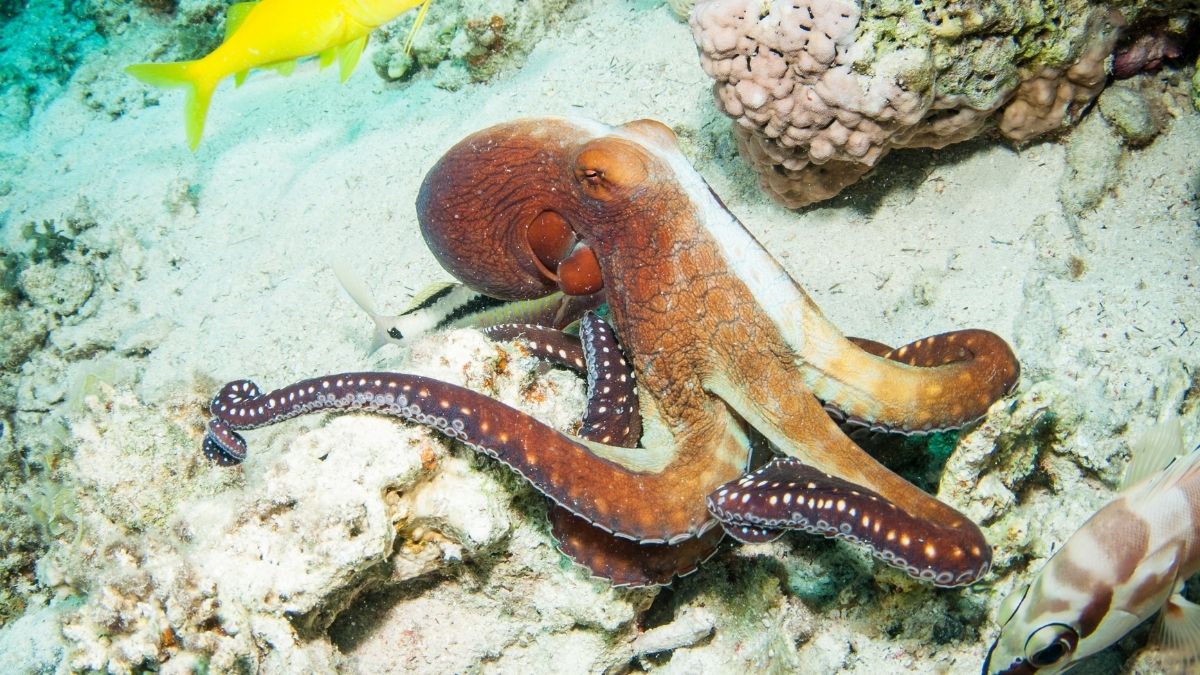
The octopus is probably the most well-known animal with more than one brain. It has a network of brains that is spread out over a large area. An octopus has one big brain in the shape of a donut between its eyes and eight smaller mini-brains in each of its arms.
These satellite brains let the arms touch, smell, and move things without the help of the main brain. For instance, an octopus arm that has been cut off can still feel pain or hold things.
This decentralized system is why octopuses are considered some of the most intelligent invertebrates on Earth.
4. Snail

Gastropods like snails might appear sluggish, but their nervous system is highly specialized. Most garden snails possess up to six distinct ganglia clusters that function as brains. In primitive species, these clusters remain separate, while in more evolved species, they may fuse closer together.
These six brains are tasked with specific survival functions: some manage the foot for movement, others control the visceral mass (organs), and specific clusters handle sensory input from the tentacles. This segmentation allows the snail to retract into its shell instantly upon sensing a threat.
5. Squid

Similar to their cousin, the octopus, squids are cephalopods with high intelligence, but they operate with a slightly different neural architecture.
A squid typically possesses one central brain and two massive optic lobes. These optic lobes are so large and complex that they are often classified as secondary brains.
They are almost completely focused on processing visual information, which is very important for the squid's way of life as a predator. Squids can find food in murky water and plan quick jet-propulsion attacks thanks to this "tri-brain" system.
6. Bumblebee

Ganglia are important for many insects, and the bumblebee is a good example of how to use them well. Bumblebees have three main clusters of ganglia that act as brains for different parts of their bodies.
One controls the mouth and antennae for sensing and eating, the second controls the wings for stable flight, and the third is in charge of the digestive system and stinger.
This separation lets the bee do complicated aerial moves while also processing flower patterns and protecting the hive.
7. Cockroach
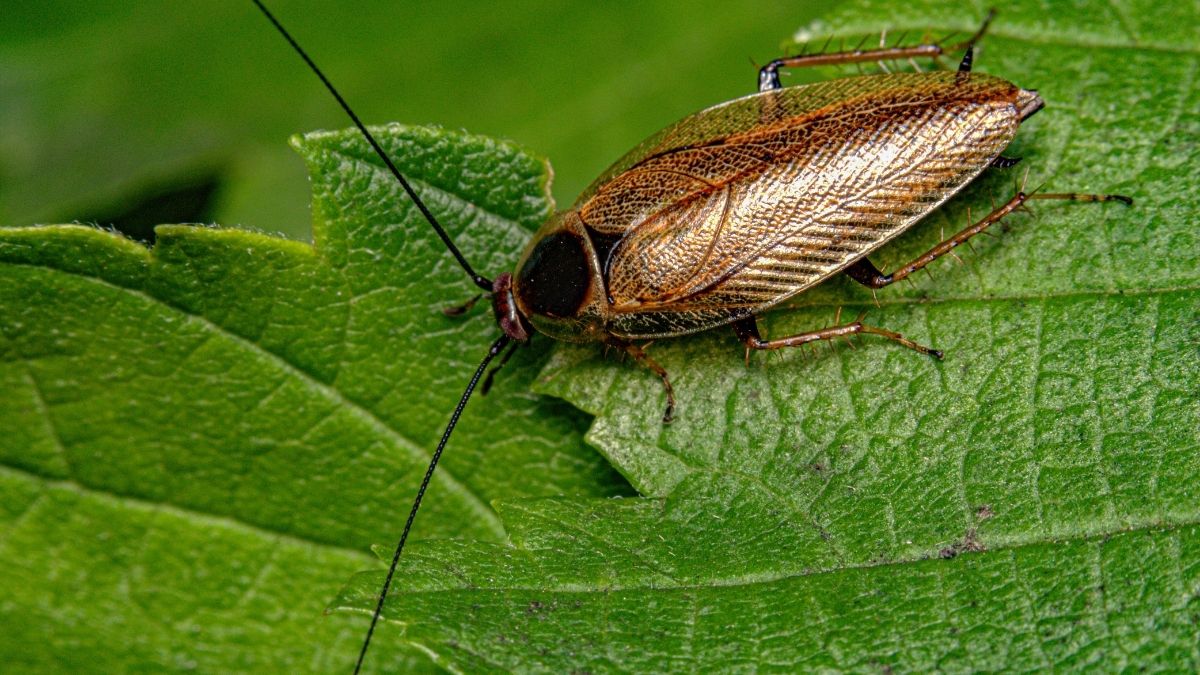
The cockroach is legendary for its ability to survive distinct trauma, including decapitation. This is possible because animals with more brains, like the cockroach, possess two primary neural centers: one inside the skull and a second, crucial ganglion located at the rear of the abdomen.
If a cockroach loses its head, the abdominal brain continues to handle basic motor functions, allowing the insect to scuttle away and hide. While it will eventually die of thirst or starvation, the second brain ensures it does not die immediately from the injury.
Check Out: List of 5 Most Famous Animals that Migrate in Winter: Revealed
Nature shows that having only one brain isn't the only way to stay alive. For example, the 32-brained leech and the smart octopus. These nervous systems that are spread out show how interesting and varied evolution can be.




-1767332640085.jpg)
Comments
All Comments (0)
Join the conversation