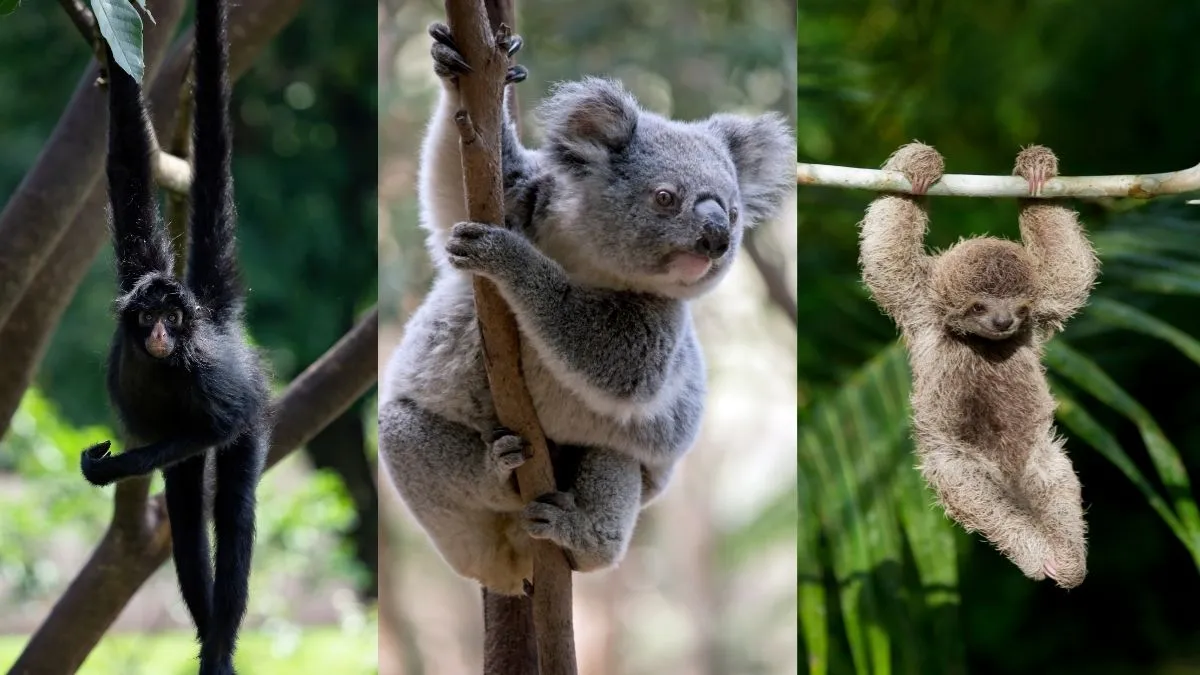
Key Points
- Arboreal animals evolved with adaptations like claws for gripping.
- Koalas eat eucalyptus and sleep 18-22 hours daily in trees.
- Spider monkeys use prehensile tails as a fifth limb.
List of animals that live in trees: Arboreal animals, species that spend the majority of their lives in the forest canopy, have developed extraordinary adaptations to defy gravity. According to biological studies, these animals are not just climbing; they have evolved distinct anatomical features like elongated limbs, sharp claws, and wet adhesion pads to secure their grip.
While many of us know that monkeys climb, the arboreal world includes a diverse range of mammals, reptiles, and amphibians. For example, did you know that some animals that live in trees, like the sloth, are home to algae and moths?
List of Animals that Live on Trees and Their Habitat
The table below gives a quick overview of the most common tree-dwelling animals, including their scientific names and the main ways they adapt to living in trees.
| S.No. | Tree Animal Name | Scientific Name | Native Habitat |
| 1 | Koala | Phascolarctos cinereus | Australia |
| 2 | Three-Toed Sloth | Bradypus variegatus | Central and South America |
| 3 | Orangutan | Pongo | Borneo and Sumatra |
| 4 | Red-Eyed Tree Frog | Agalychnis callidryas | Tropical Rainforests |
| 5 | Spider Monkey | Ateles | Central and South America |
Check Out: List of Animals that Hibernate the Longest on Earth
1. Koala
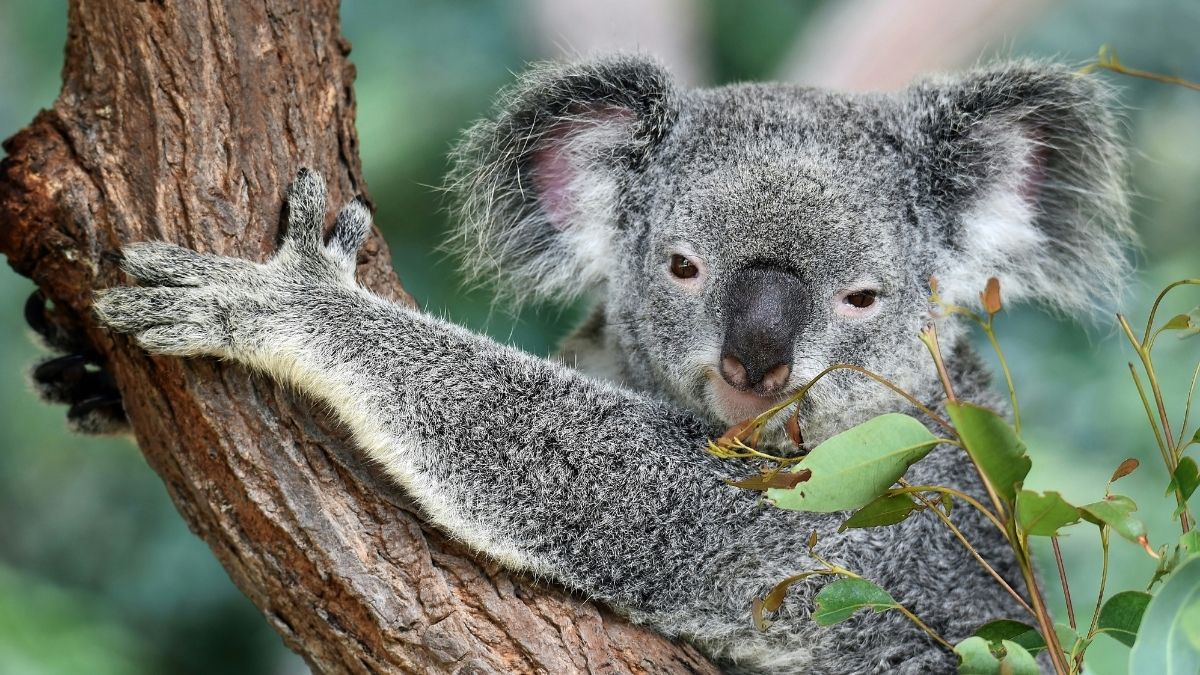
Koalas are often thought to be bears, but they are actually marsupials that are perfectly suited to living in eucalyptus forests. They are some of the most specialized animals that live in trees, and they get almost all of their food and water from eucalyptus leaves. To survive on this low-energy diet, they sleep for up to 18 to 22 hours a day, wedged safely in the forks of trees. Their paws have rough pads and two opposable thumbs, giving them a vice-like grip that prevents them from falling while they slumber.
2. Three-Toed Sloth
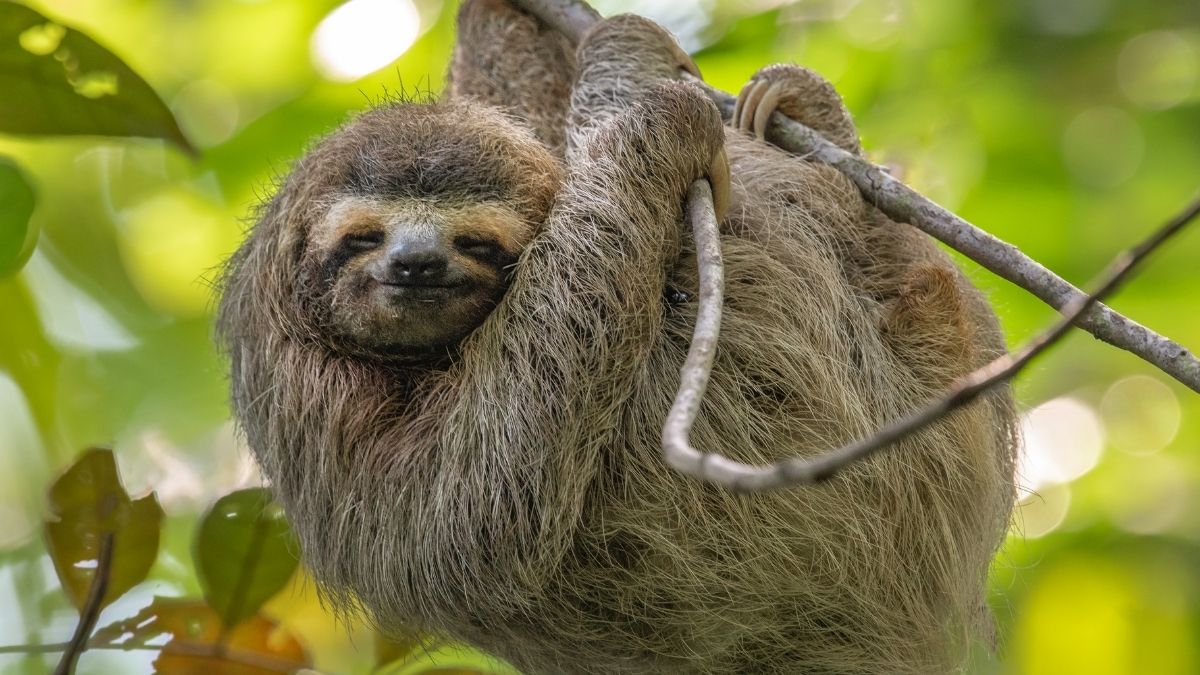
The Three-Toed Sloth is the perfect example of a slow-paced life in the trees. These mammals inhabit the rainforests of Central and South America, spending most of their lives hanging upside down. Their long, curved claws work like natural hooks, so they can hang from branches without using any muscle energy. Interestingly, they are so lazy that algae grows on their fur, which helps them blend in with the green canopy. This is a great way for arboreal animals to stay safe from predators like eagles.
3. Orangutan
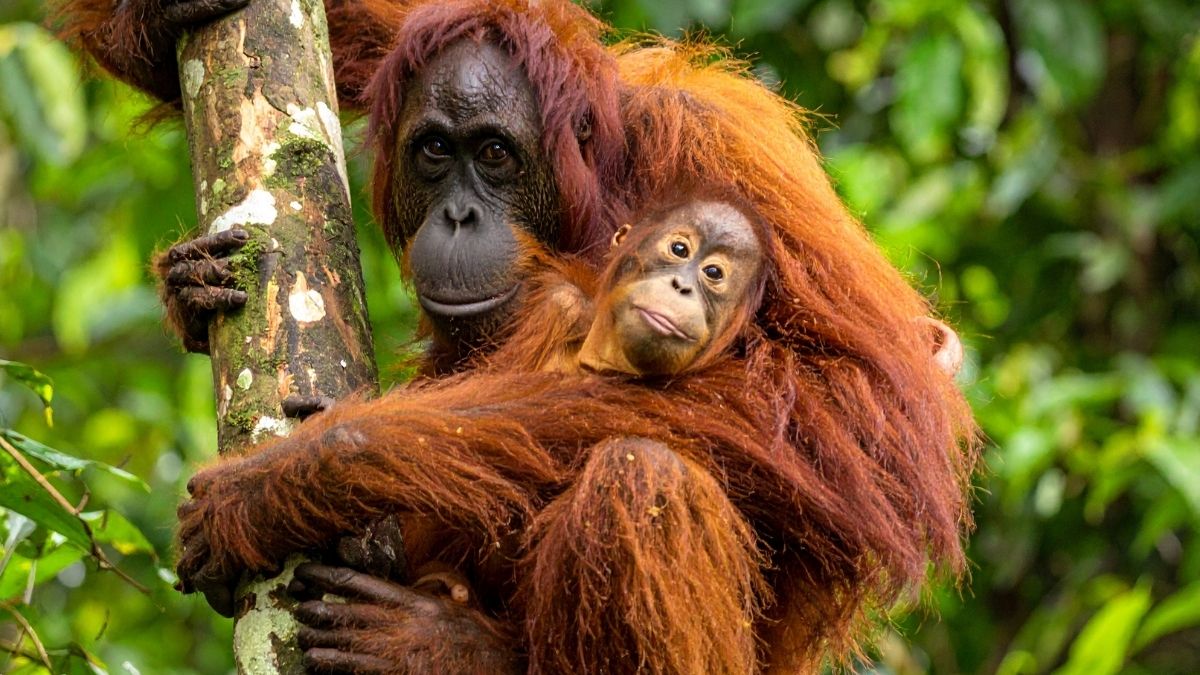
The name Orangutan translates to "Man of the Forest" in Malay, and it is a fitting title for the world's largest arboreal mammal. Unlike monkeys that run along branches, orangutans use a method of locomotion called brachiation, swinging from branch to branch using their massive arm span, which can reach up to 7 feet. They are also incredibly intelligent, known for building elaborate sleeping nests out of leaves and branches every single night, high up in the trees.
4. Red-Eyed Tree Frog
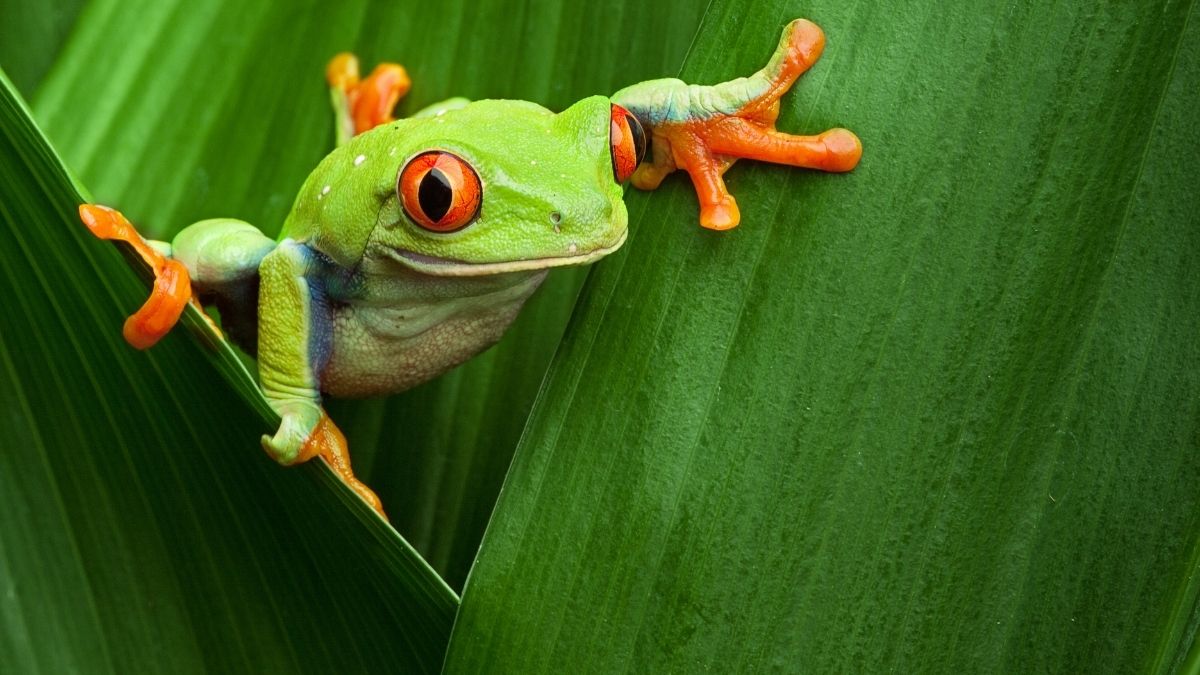
Not all the animals that live in trees are mammals. The Red-Eyed Tree Frog is a well-known amphibian that lives in the rainforests of the Neotropics. They don't have claws; instead, they have special suction-cup pads on their toes that secrete a sticky mucus that lets them stick to wet leaves vertically. Startle coloration is a defense mechanism that makes their eyes bright red. When they are scared, they flash their bright eyes to scare off predators for a short time. This gives the frog time to get away.
5. Spider Monkey
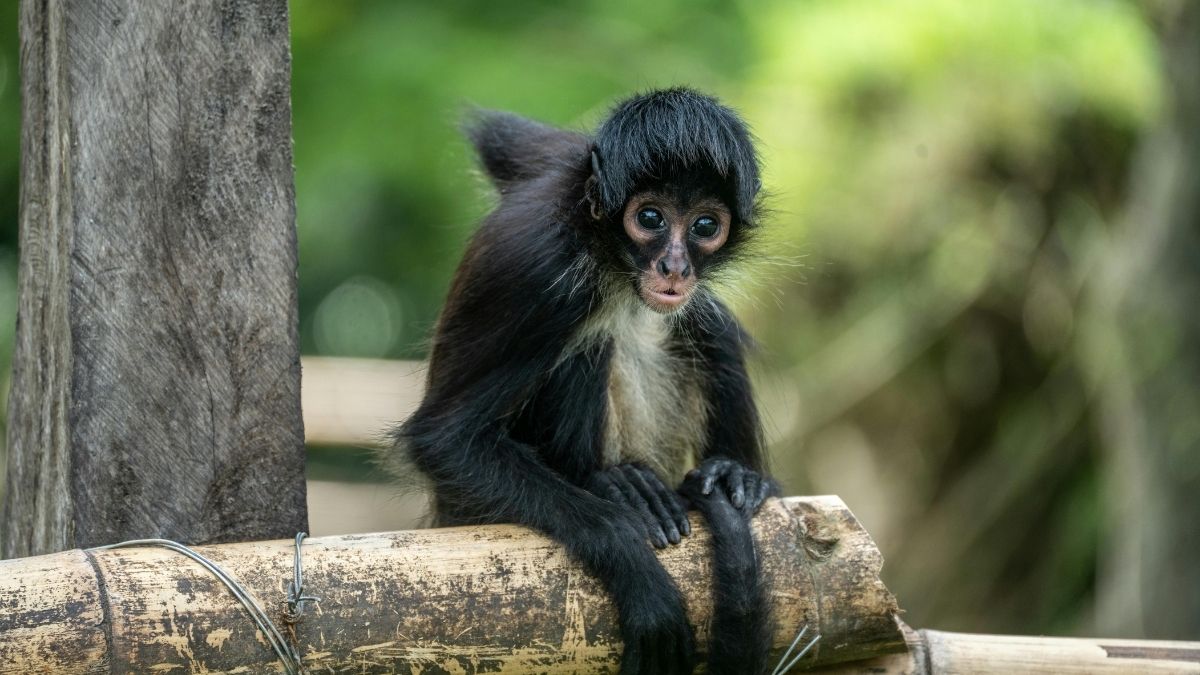
Spider monkeys are the best at doing tricks in the animal world. They are well-known for their prehensile tail, which can hold up their whole body weight. This tail essentially functions as a fifth limb, allowing them to hang and gather fruit while keeping their hands free. As highly social arboreal animals, they live in the upper canopy layers and rarely touch the forest floor, relying on their agility to travel rapidly through the trees.
Check Out - List of Top 7 Animals that Turn White in Winter: Revealed
To live in the trees, animals need special evolutionary tools. For example, the koala has gripping thumbs, and the spider monkey has strong tails. These tree-dwelling animals are very important for keeping forest ecosystems healthy. They often spread seeds and pollinate plants. The first step to saving these unique animals is to learn about them, since their homes are still at risk from deforestation.



-1766159625283.jpg)
-1766128662526.jpg)

Comments
All Comments (0)
Join the conversation