Key Points
- India leads global ginger production due to climate and tradition.
- Odisha, West Bengal, and Meghalaya are top ginger-growing states in India.
- Ginger is used in cuisine, medicine, and supports rural incomes.
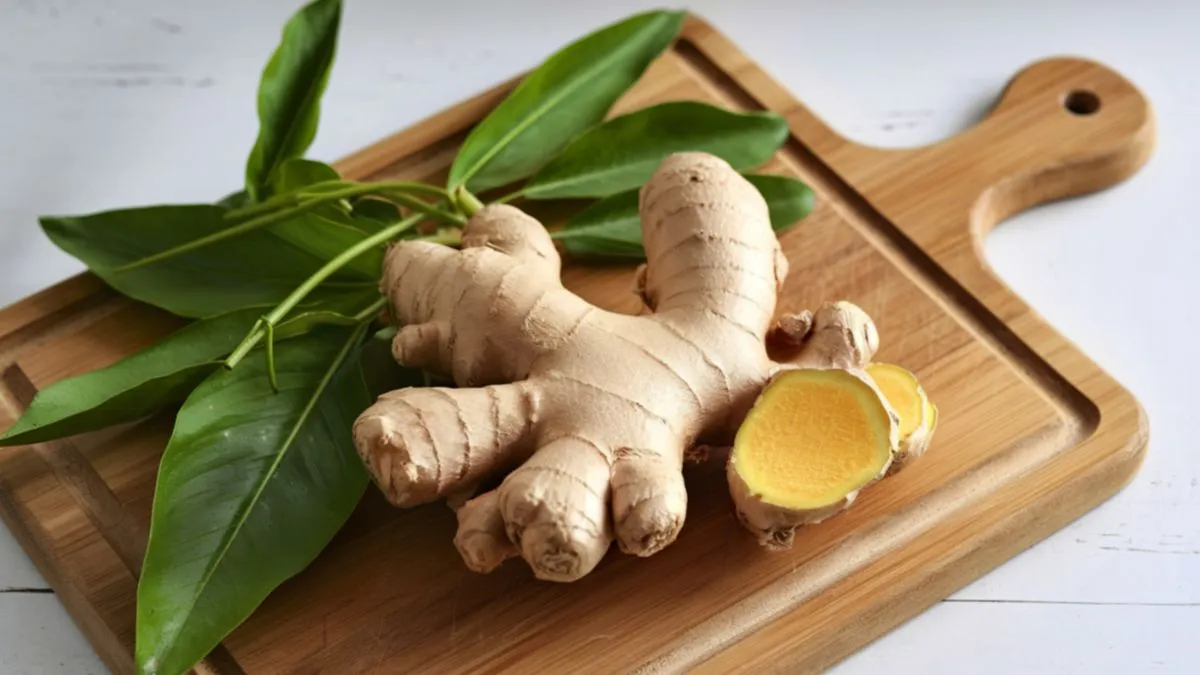
Ginger is one of the world’s most widely cultivated spice crops, valued for its distinctive flavour, medicinal properties, and versatility in food and beverages. From culinary uses to traditional medicines, ginger has global importance. While several countries grow ginger, one country produces far more than any other and leads the world in total output.
Largest Ginger Producer in the World
India is the largest ginger producer in the world. According to recent production statistics, India contributes the highest volume of ginger compared to all other nations. The country’s favourable climate, diverse agro-ecological zones, and longstanding tradition of spice cultivation have helped it maintain a commanding lead in ginger output.
Why Is India the Largest Ginger Producer in the World?
India’s leadership in ginger production stems from several key advantages. The tropical and subtropical climate of many Indian states provides ideal conditions for ginger cultivation. Consistent rainfall, warm temperatures, and fertile soils support high yields. Ginger is also deeply integrated into Indian agriculture, cuisine and traditional medicine, encouraging widespread and continuous cultivation across rural areas.
Major Ginger Growing Regions in India
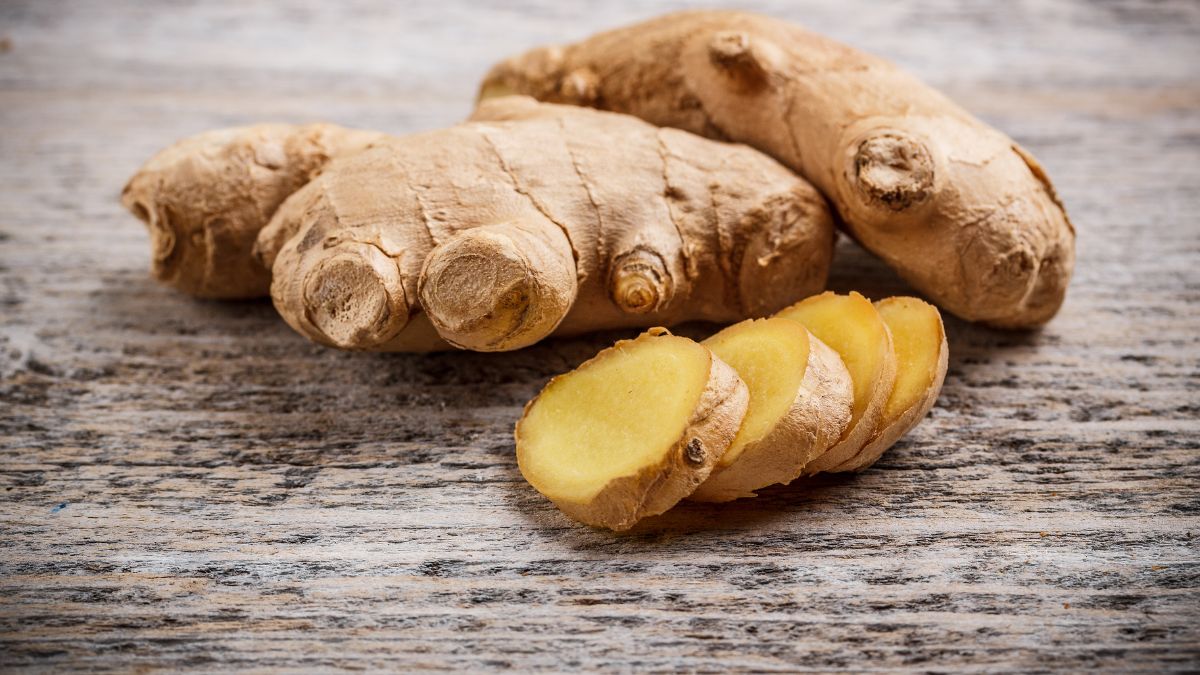
Ginger is grown in many parts of India, but a few regions stand out due to their large production areas and high yields. Odisha, West Bengal, Meghalaya, Sikkim and Karnataka are among the top ginger-producing states. These regions combine suitable elevation, rainfall, and soil conditions that enhance rhizome development and essential oil content.
Ginger Production Figures
Based on recent estimates, total global ginger production exceeds several million metric tons annually, with India contributing the largest share by a significant margin. While production levels vary year to year due to weather and agricultural practices, India consistently ranks first, ahead of other major producers such as China, Nepal, and Indonesia.
Uses of Ginger in India and Worldwide
Ginger has widespread culinary applications, including as a spice in curries, beverages, pickles, sauces, and baked goods. It is also used extensively in traditional medical systems such as Ayurveda, Traditional Chinese Medicine, and folk remedies for its anti-inflammatory, digestive and immune-boosting properties. Ginger oil and extracts are used in cosmetics and aromatherapy as well.
Economic Importance of Ginger Production
Ginger farming supports millions of smallholder farmers, particularly in rural regions where spice crops contribute significantly to household income. The crop also generates employment in planting, harvesting, drying, processing, trade, and export sectors. In India, the spice industry with ginger as a key component, plays a central role in national agricultural exports.
Ginger Production in Other Countries
Other major ginger-producing countries include China, Nepal, Indonesia, and Thailand. These nations also cultivate ginger at scale and supply both domestic markets and export channels. However, none match India’s production volume. China, often second in global output, produces substantial quantities but remains behind India.
Nutritional and Health Benefits of Ginger
Ginger is rich in bioactive compounds such as gingerol, which gives it strong antioxidant and anti-inflammatory properties. It is widely used to soothe digestive issues, reduce nausea, strengthen immunity and support overall wellness. Ginger tea, extracts and dietary supplements have gained global popularity because of these health benefits.
Interesting Facts About Ginger Production in the World
Ancient Crop With Long History
Ginger has been cultivated for thousands of years and was traded along ancient spice routes connecting Asia, Africa, and Europe.
Multiple Forms of Consumption
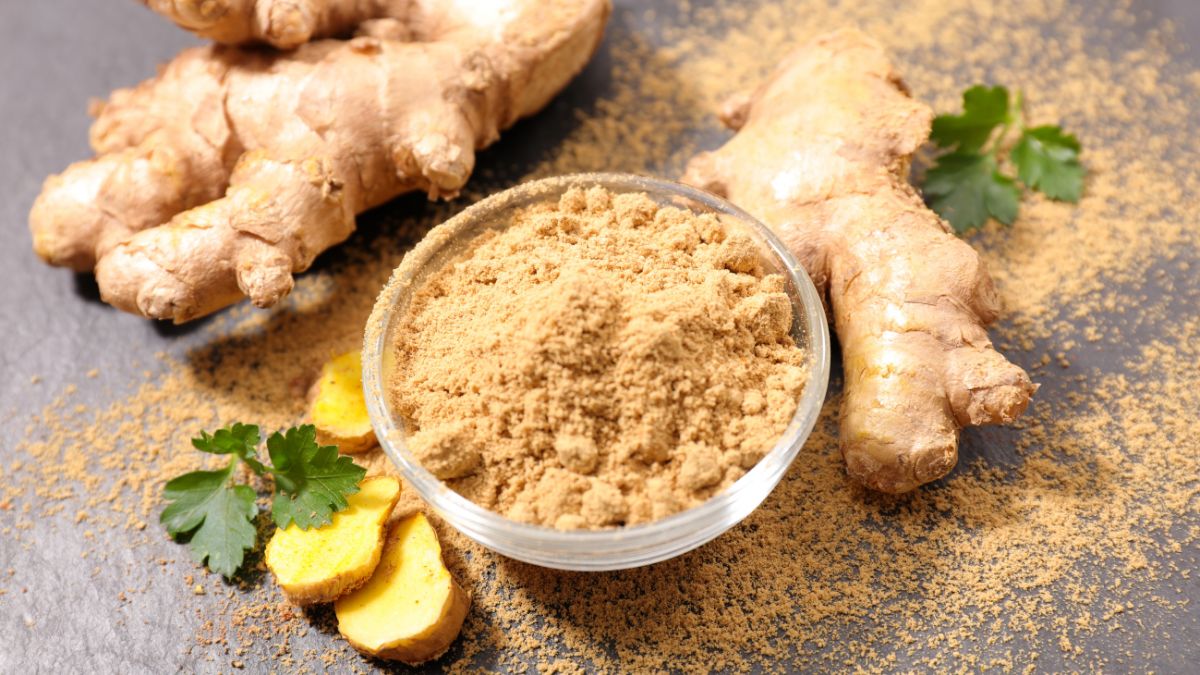
Ginger is consumed fresh, dried, powdered, pickled, candied and as oil or extract, making it one of the most versatile spice crops.
Support for Small Farmers
Ginger cultivation often provides higher incomes compared to many staple crops, especially for small and marginal farmers.
Use in Traditional Medicine
Traditional systems of medicine across Asia have used ginger for centuries to treat various ailments, including coughs, colds, digestive issues and inflammation.
Export and Trade Crop
While much ginger is consumed domestically, leading producers also export significant quantities, enhancing global spice trade networks.
Read more: Which Country Is the Largest Producer of Sweet Potato?
India is the largest ginger producer in the world due to its diverse climate, traditional farming practices, fertile soil, strong domestic demand and integration of ginger into agriculture and cuisine. Keep reading for more such topics.





Comments
All Comments (0)
Join the conversation