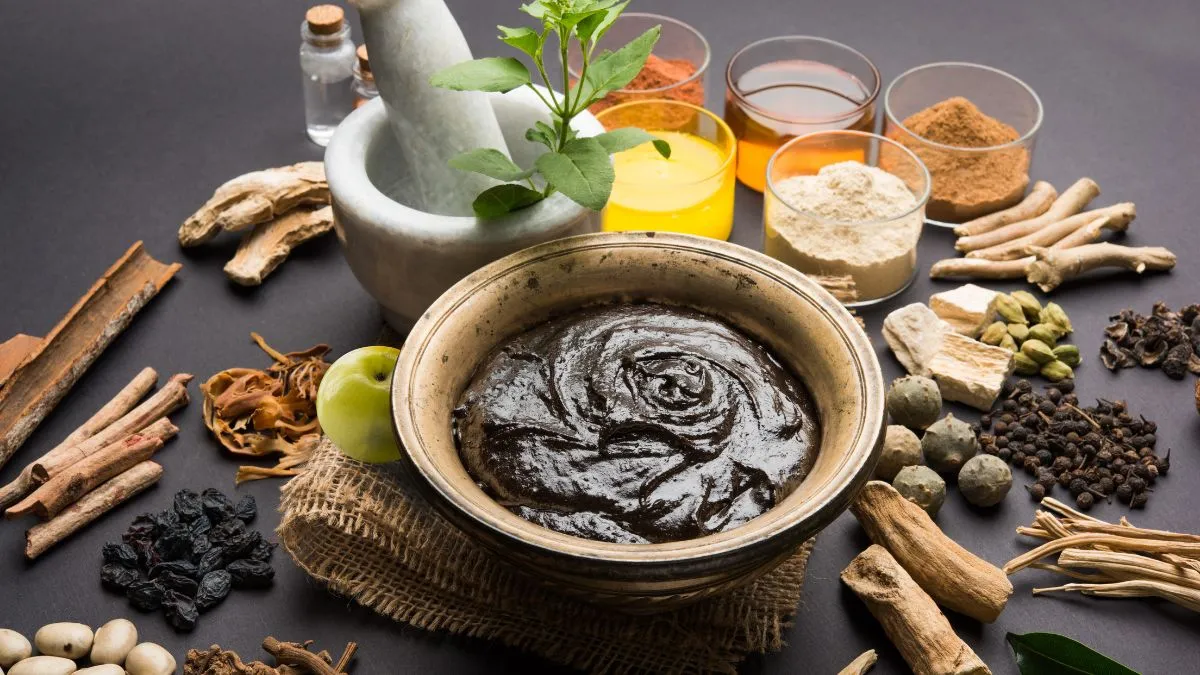
Land of Ayurveda: Kerala is known as the Land of Ayurveda because it has a long and continuous tradition of Ayurvedic medicine, specialised healing therapies, and classical treatment centres that have been practiced and preserved for centuries. Kerala’s climate, medicinal plant diversity, trained practitioners, and heritage wellness system have made it one of the most important global centres of Ayurveda, giving it the title Land of Ayurveda.
Why Is Kerala Called the Land of Ayurveda?
Kerala is called the Land of Ayurveda because Ayurveda has existed as a mainstream healthcare and healing practice in the region for thousands of years. The state has dedicated Ayurvedic hospitals, treatment resorts, Panchakarma centres, classical teaching institutions, and family-line physician traditions that continue to preserve authentic Ayurvedic knowledge and medical practices.
Origin of the Title Land of Ayurveda
The title Land of Ayurveda developed due to Kerala’s strong historical connection with classical Ayurvedic physicians, palm-leaf manuscripts, temple-based healing traditions, and royal medical patronage. Over time, Kerala became internationally recognised for its specialised therapies, rejuvenation treatments and holistic wellness practices that developed into a major part of the state’s cultural and medical identity.
-1767851107292.jpg)
Location of Kerala
Kerala is located on the southwestern coast of India along the Arabian Sea. It is part of the Malabar region and is known for its tropical climate, backwaters, hill plantations, coastal plains, and rich biodiversity that supports the growth of numerous medicinal plants used in Ayurveda.
Ayurvedic Treatments Practiced in Kerala
Kerala is especially known for its classical Ayurvedic therapies such as Panchakarma, Abhyanga (oil massage), Shirodhara (oil pouring therapy), Pizhichil, Udvartana, and herbal steam treatments. These therapies are used for rejuvenation, detoxification, stress relief, chronic illness management, and preventive wellness care.
Role of Ayurveda in Kerala’s Healthcare and Tourism
Ayurveda in Kerala plays an important role in both traditional healthcare and wellness tourism. Many hospitals, government-approved centres, and specialised wellness resorts provide authentic Ayurvedic treatments, attracting patients and wellness travellers from across India and around the world.
Medicinal Plant Resources in Kerala
Kerala has a rich natural environment that supports the growth of medicinal herbs and forest plants used in Ayurvedic formulations. The Western Ghats region in particular is known as a major biodiversity zone containing a wide range of medicinal species important for Ayurveda.
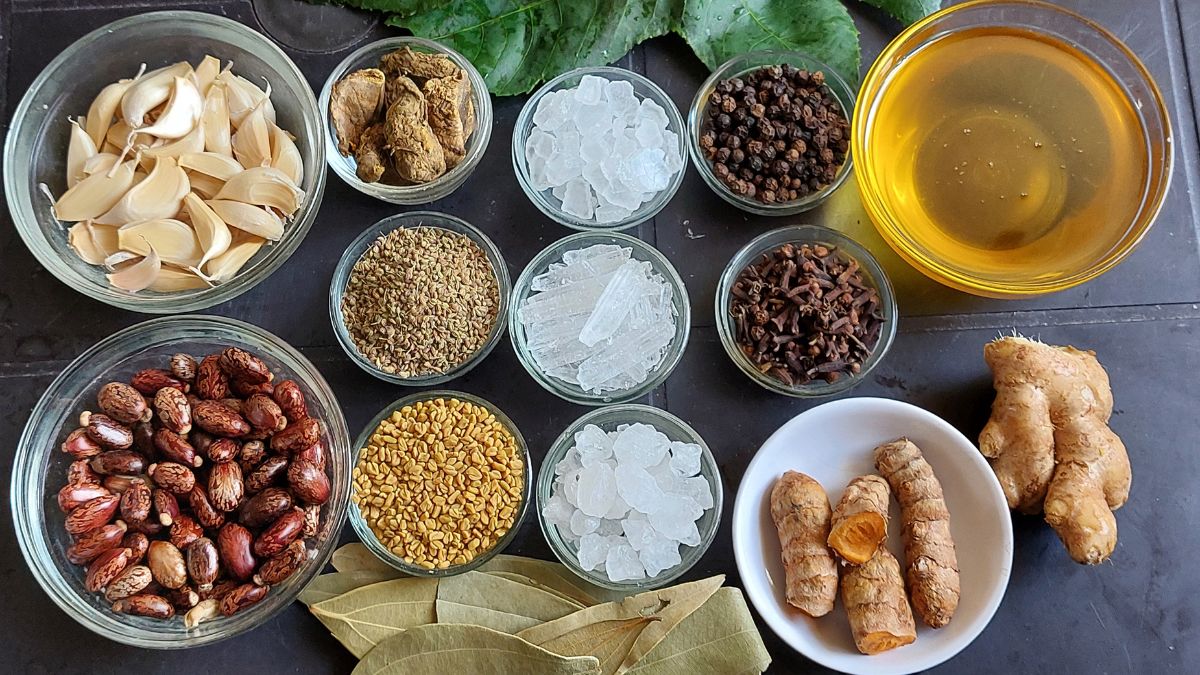
Interesting Facts About Kerala
Home to Classical Panchakarma Therapy
Kerala is globally known for preserving traditional Panchakarma therapy, a detailed cleansing and rejuvenation treatment practiced under trained Ayurvedic physicians.
Strong Lineage of Traditional Ayurvedic Physicians
Many Ayurvedic practitioners in Kerala come from long hereditary medical families, where ancient treatment knowledge has been passed down for generations.
Ayurveda Integrated With Daily Lifestyle Practices
Ayurvedic principles in Kerala are reflected in local diet, herbal preparations, seasonal health routines and wellness traditions followed in everyday life.
Major Global Centre for Wellness and Medical Tourism
Kerala attracts international visitors seeking long-term healing programs, rejuvenation therapies and preventive health treatments based on authentic Ayurveda.
Supported by Research, Education, and Institutions
Kerala has dedicated Ayurvedic colleges, research centres and government-recognised treatment facilities that help preserve and advance classical Ayurvedic science.
Read more: Which Country Is Called the Land of the Sea?
Kerala is known as the Land of Ayurveda because of its strong historical tradition of Ayurvedic medicine, specialised therapies, trained practitioners, medicinal plant resources, and globally recognised wellness treatment centres. Keep reading for more such topics.


-1767073462439.jpg)
-1768241794469.jpg)
-1768222025659.jpg)
Comments
All Comments (0)
Join the conversation