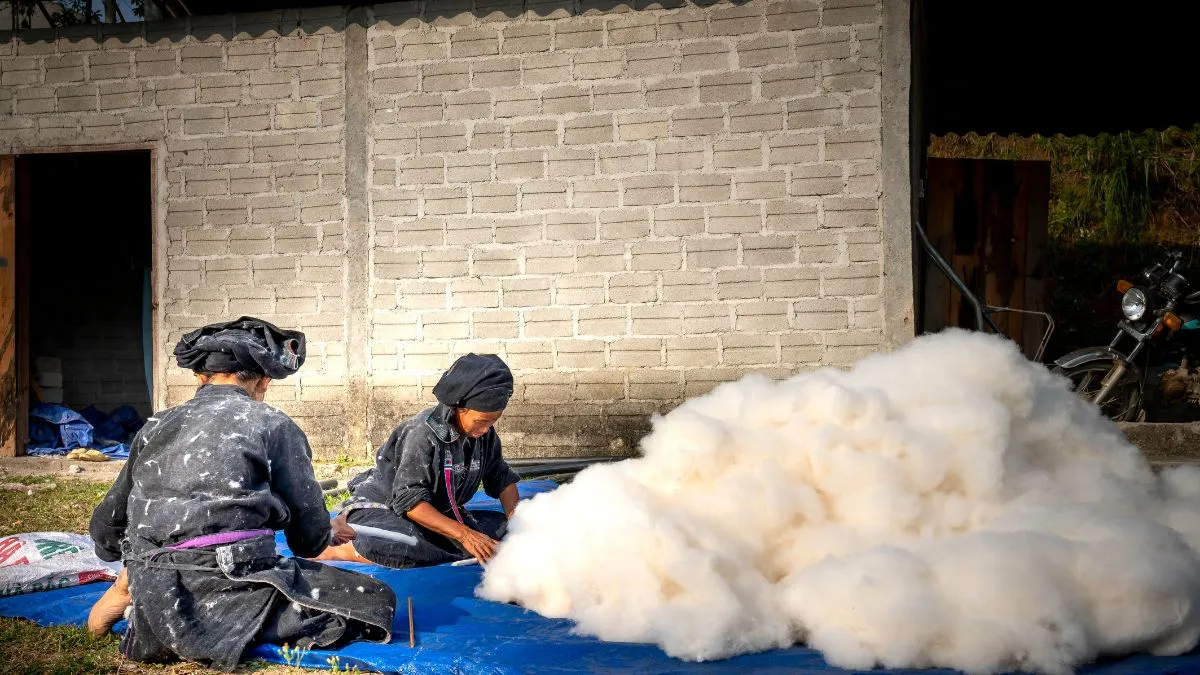
Cotton City of India: Mumbai (formerly Bombay) is known as the Cotton City of India because it emerged as the leading centre of the cotton textile industry, cotton mills, yarn production, and textile trade during the industrial and colonial period. The city became the hub of cotton processing, spinning mills, export trade and textile manufacturing, which played a major role in India’s economic and industrial growth.
Why Mumbai Is Called the Cotton City of India
Mumbai is called the Cotton City of India because it became the largest centre of cotton textile mills, labour-based industries, and cotton trade networks connected to domestic and international markets. The city’s port facilities, railway connectivity, financial infrastructure, and workforce made it the leading textile and cotton manufacturing hub.
Major Cotton and Textile Industry Hub
Mumbai developed large cotton spinning mills, weaving units, fabric processing plants, and garment industries that supplied textiles to Indian and global markets. The cotton textile industry generated massive employment, promoted trade networks, and strengthened India’s industrial economy.
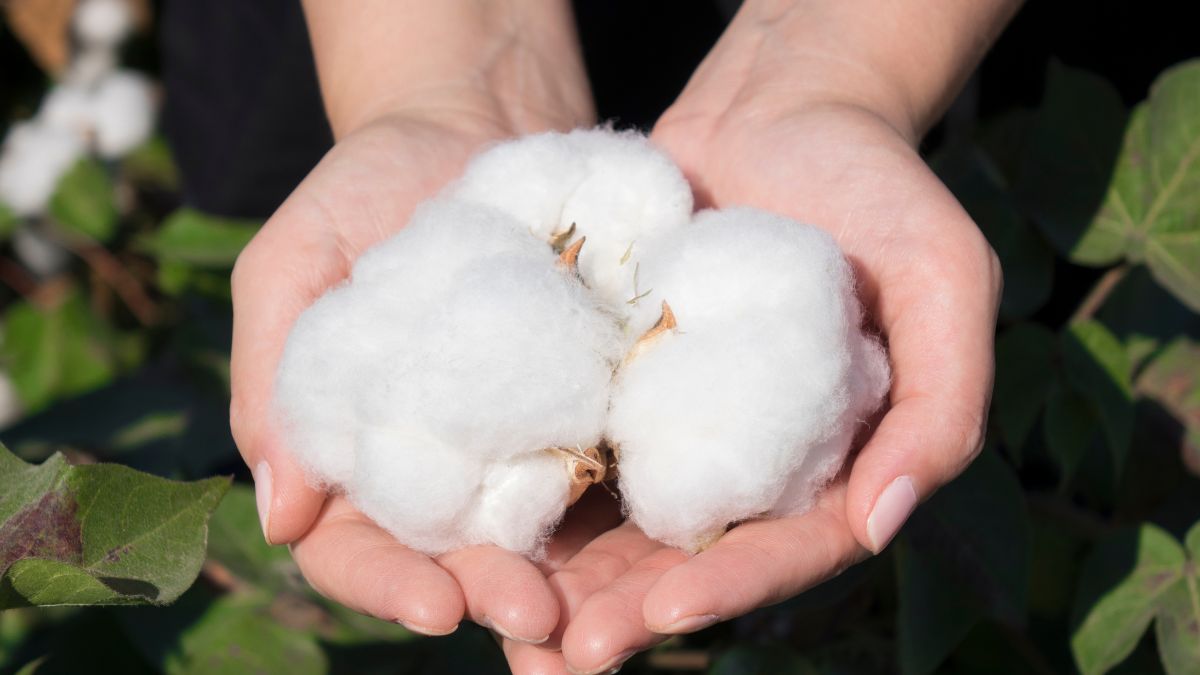
India’s Oldest and Largest Cotton Textile Cluster
Mumbai was one of the earliest and largest cotton textile clusters in India, contributing significantly to yarn production, cloth manufacturing, and export-oriented textile trade. The city played a key role in shaping India’s industrialisation, urban labour movement, and economic development.
Economic Importance of Cotton Industry in Mumbai
The cotton textile sector supported workers, traders, mill owners, transport services, and associated industries such as dyeing, tailoring, and garment manufacturing. The industry helped establish Mumbai as a financial and commercial capital.
Interesting Facts About Mumbai
Major Cotton Producing Region
Yavatmal is a leading cotton cultivation district in the Vidarbha region with black cotton soil and suitable climate conditions.
Important Cotton Trade Centre
The district is a major procurement and mandi hub where farmers supply raw cotton for textile and spinning industries.
Presence of Ginning and Pressing Units
Yavatmal has several cotton ginning and pressing factories that process and bale cotton for mills across India.
Known as the White Gold Belt
Cotton is called White Gold, and Yavatmal is widely recognised for its high cotton output and agricultural dependence on the crop.
Supports Rural Economy and Employment
The cotton sector in Yavatmal generates livelihood in farming, trading, transport, processing, and textile-related activities.
Read more: Which City Is Known as the Coconut City of India?
Mumbai is known as the Cotton City of India because of its historical dominance in the cotton textile industry, large cotton mills, export-based trade networks and major contribution to India’s industrial and economic growth. Keep reading for more such topics.



-1767162864862.jpg)

Comments
All Comments (0)
Join the conversation